

5 seniti – Tonga
Add to wishlist
Tonga
Context
Year: 2015
Issuer: Tonga
Issuing organization: National Reserve Bank of Tonga
Ruler: ʻAhoʻeitu Tupou VI
Currency:
(since 1967)
Total mintage: 1,500,000
Material
References
KM: #
Numista: #74572
Value
Exchange value: 0.05 TOP
Obverse
Description:
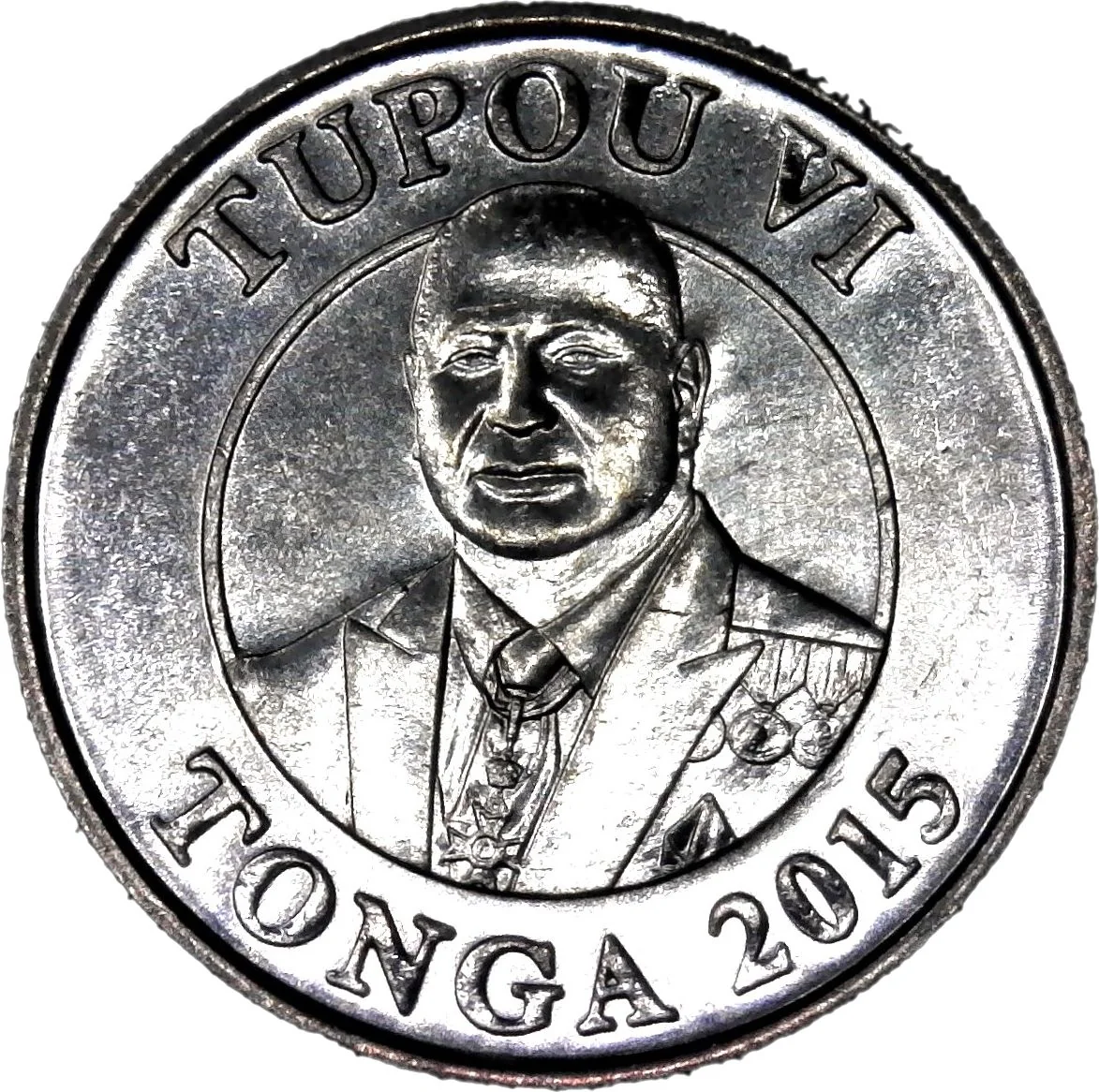
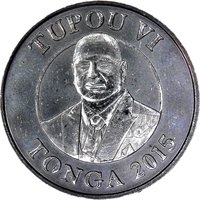
King Tupou VI effigy, date beneath.
Inscription:
TUPOU VI
TONGA 2015
TONGA 2015
Script: Latin
Engraver: Aleksandra Stokic
Reverse
Description:
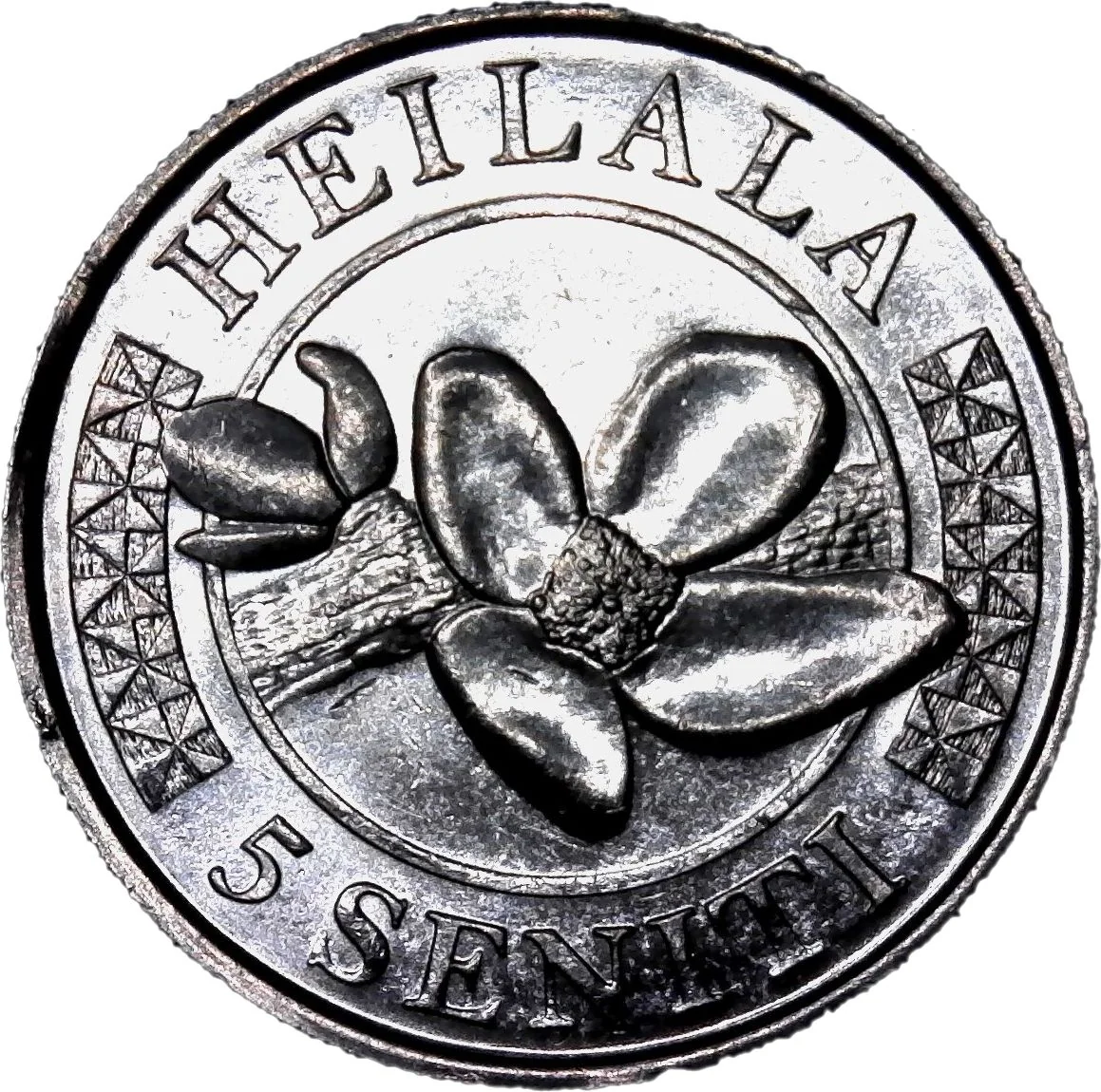
Featuring Tonga's national flower, the royal-associated Heilala (Garcinia sessilis). It is used in ceremonial garlands for the King and for a girl's 21st birthday, and is celebrated each July during the week-long Heilala Festival.
Inscription:
HEILALA
5 SENITI
5 SENITI
Script: Latin
Engraver: Aleksandra Stokic
Edge
Plain
Mints
| Name | Mark |
|---|---|
| Royal Australian Mint | — |
Mintings
| Year | Mint Mark | Mintage | Quality | Collection |
|---|---|---|---|---|
| 2015 | — | 1,500,000 |
Historical background
In 2015, Tonga's currency situation was characterized by a stable but heavily dependent monetary framework, with the Paʻanga (TOP) pegged to a weighted basket of currencies. This basket primarily included the Australian dollar, New Zealand dollar, US dollar, and Japanese yen, with the Australian dollar holding the most significant influence. This peg, managed by the National Reserve Bank of Tonga (NRBT), provided crucial stability for the small, import-dependent nation, shielding it from volatile exchange rate fluctuations and anchoring inflation. However, it also meant Tonga relinquished independent monetary policy, with its interest rates and money supply largely influenced by the economic conditions of its major trading partners, particularly Australia.
The economy faced headwinds that year, placing indirect pressure on the currency framework. Growth was modest, and the country continued to grapple with a persistent trade deficit, as imports of food, fuel, and manufactured goods far exceeded exports of agricultural products like squash, vanilla, and fish. Remittances from the Tongan diaspora, a critical source of foreign exchange, remained a vital economic lifeline, helping to finance the import bill and support the peg's sustainability. Furthermore, the government's fiscal position was a point of concern, with public debt levels high, necessitating careful management to maintain both domestic and international confidence in the Paʻanga.
Overall, the 2015 currency situation reflected a balance between necessary stability and underlying economic vulnerabilities. The peg successfully provided a predictable exchange rate environment, which was essential for business planning and controlling inflation. Yet, the structure also highlighted Tonga's external vulnerabilities, as the health of the Paʻanga depended on sustained remittance flows, prudent fiscal policy, and the economic performance of larger partner nations rather than domestic monetary tools. The system functioned but underscored the broader challenges of a small, remote Pacific island economy.
The economy faced headwinds that year, placing indirect pressure on the currency framework. Growth was modest, and the country continued to grapple with a persistent trade deficit, as imports of food, fuel, and manufactured goods far exceeded exports of agricultural products like squash, vanilla, and fish. Remittances from the Tongan diaspora, a critical source of foreign exchange, remained a vital economic lifeline, helping to finance the import bill and support the peg's sustainability. Furthermore, the government's fiscal position was a point of concern, with public debt levels high, necessitating careful management to maintain both domestic and international confidence in the Paʻanga.
Overall, the 2015 currency situation reflected a balance between necessary stability and underlying economic vulnerabilities. The peg successfully provided a predictable exchange rate environment, which was essential for business planning and controlling inflation. Yet, the structure also highlighted Tonga's external vulnerabilities, as the health of the Paʻanga depended on sustained remittance flows, prudent fiscal policy, and the economic performance of larger partner nations rather than domestic monetary tools. The system functioned but underscored the broader challenges of a small, remote Pacific island economy.
🌱 Common