

25 cents – Trinidad and Tobago
Add to wishlist
Trinidad and Tobago
Context
Years: 1974–1976
Issuer: Trinidad and Tobago
Ruler: Elizabeth II
Currency:
(since 1964)
Demonetized: Yes
Total mintage: 15,052,369
Material
References
KM: #
Numista: #5930
Value
Exchange value: 0.25 TTD
Obverse
Description:
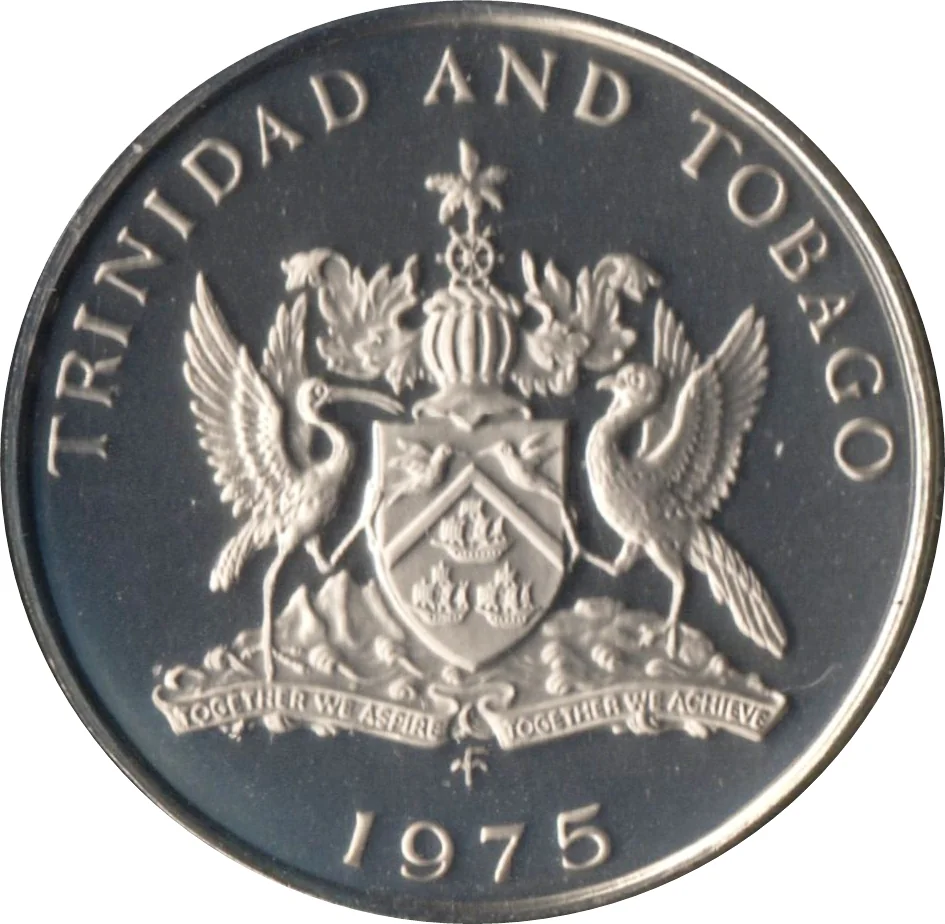
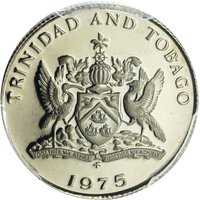
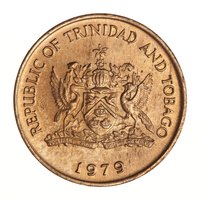
Coat of arms with date.
Inscription:
TRINIDAD AND TOBAGO
TOGETHER WE ASPIRE TOGETHER WE ACHIEVE
FM
1975
TOGETHER WE ASPIRE TOGETHER WE ACHIEVE
FM
1975
Script: Latin
Reverse
Description:
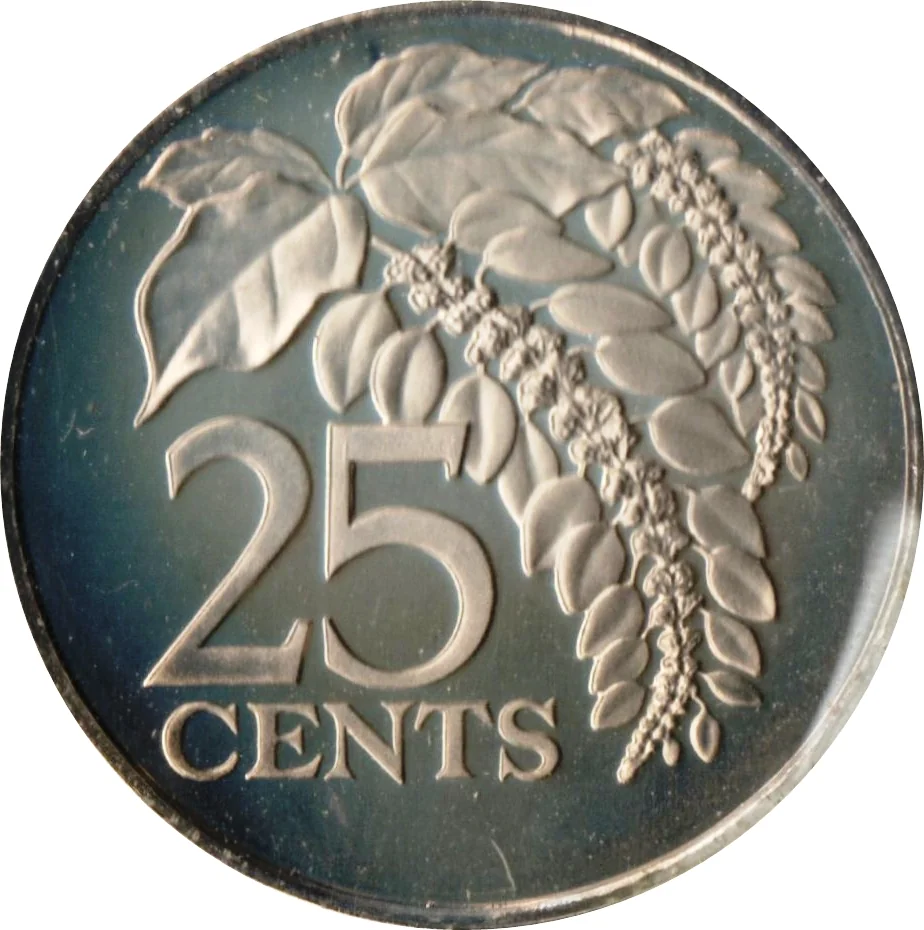
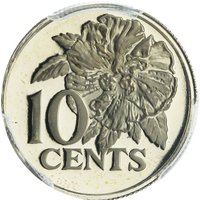
The Chaconia (Warszewiczia coccinea), the national flower.
Inscription:
25
CENTS
CENTS
Script: Latin
Designer: Ernest Lauser
Edge
Reeded
Categories
| Plants> Flower |
| Symbols> Coat of Arms |
Mints
| Name | Mark |
|---|---|
| Royal Mint | — |
| Franklin Mint | (FM) |
Mintings
| Year | Mint Mark | Mintage | Quality | Collection |
|---|---|---|---|---|
| 1974 | FM | 8,258 | Matte | |
| 1974 | FM | 14,000 | Proof | |
| 1975 | — | 6,000,000 | ||
| 1975 | FM | 5,000 | Matte | |
| 1975 | FM | 24,000 | Proof | |
| 1975 | FM | 1,111 | Special Uncirculated | |
| 1976 | — | 9,000,000 |
Historical background
In 1974, Trinidad and Tobago's currency situation was fundamentally shaped by the nation's economic transformation into a major oil producer. The global oil crisis of 1973, triggered by the OPEC embargo, caused petroleum prices to quadruple. As a member of OPEC, Trinidad and Tobago experienced a dramatic influx of petrodollars, leading to unprecedented government revenue and a significant balance of payments surplus. This windfall wealth created a complex monetary environment where the Trinidad and Tobago dollar (TTD), which was pegged to the British pound until 1976, came under upward pressure due to the massive inflow of foreign exchange.
This oil boom directly influenced domestic currency policy and economic conditions. The Central Bank, established just over a decade prior in 1964, managed the exchange rate peg while grappling with the inflationary consequences of the revenue surge. Government spending increased substantially on ambitious development projects and subsidies, injecting large amounts of local currency into the economy. This, combined with rising global prices for imported goods, stoked domestic inflation, which began to erode the purchasing power of the TTD even as the country's foreign reserves swelled.
Consequently, the currency situation in 1974 was one of paradoxical strength and underlying strain. Externally, the peg remained stable and reserves were robust, bolstered by relentless oil earnings. Internally, however, the economy showed early signs of "Dutch Disease," as the booming energy sector began to overshadow and undermine traditional agriculture and manufacturing. The inflationary pressures marked the beginning of structural economic challenges that would intensify in the following years, setting the stage for future exchange rate adjustments and a shift away from the sterling peg as the country sought to manage its newfound, but volatile, petroleum wealth.
This oil boom directly influenced domestic currency policy and economic conditions. The Central Bank, established just over a decade prior in 1964, managed the exchange rate peg while grappling with the inflationary consequences of the revenue surge. Government spending increased substantially on ambitious development projects and subsidies, injecting large amounts of local currency into the economy. This, combined with rising global prices for imported goods, stoked domestic inflation, which began to erode the purchasing power of the TTD even as the country's foreign reserves swelled.
Consequently, the currency situation in 1974 was one of paradoxical strength and underlying strain. Externally, the peg remained stable and reserves were robust, bolstered by relentless oil earnings. Internally, however, the economy showed early signs of "Dutch Disease," as the booming energy sector began to overshadow and undermine traditional agriculture and manufacturing. The inflationary pressures marked the beginning of structural economic challenges that would intensify in the following years, setting the stage for future exchange rate adjustments and a shift away from the sterling peg as the country sought to manage its newfound, but volatile, petroleum wealth.
🌱 Very Common