

½ penny – England
Add to wishlist
United Kingdom
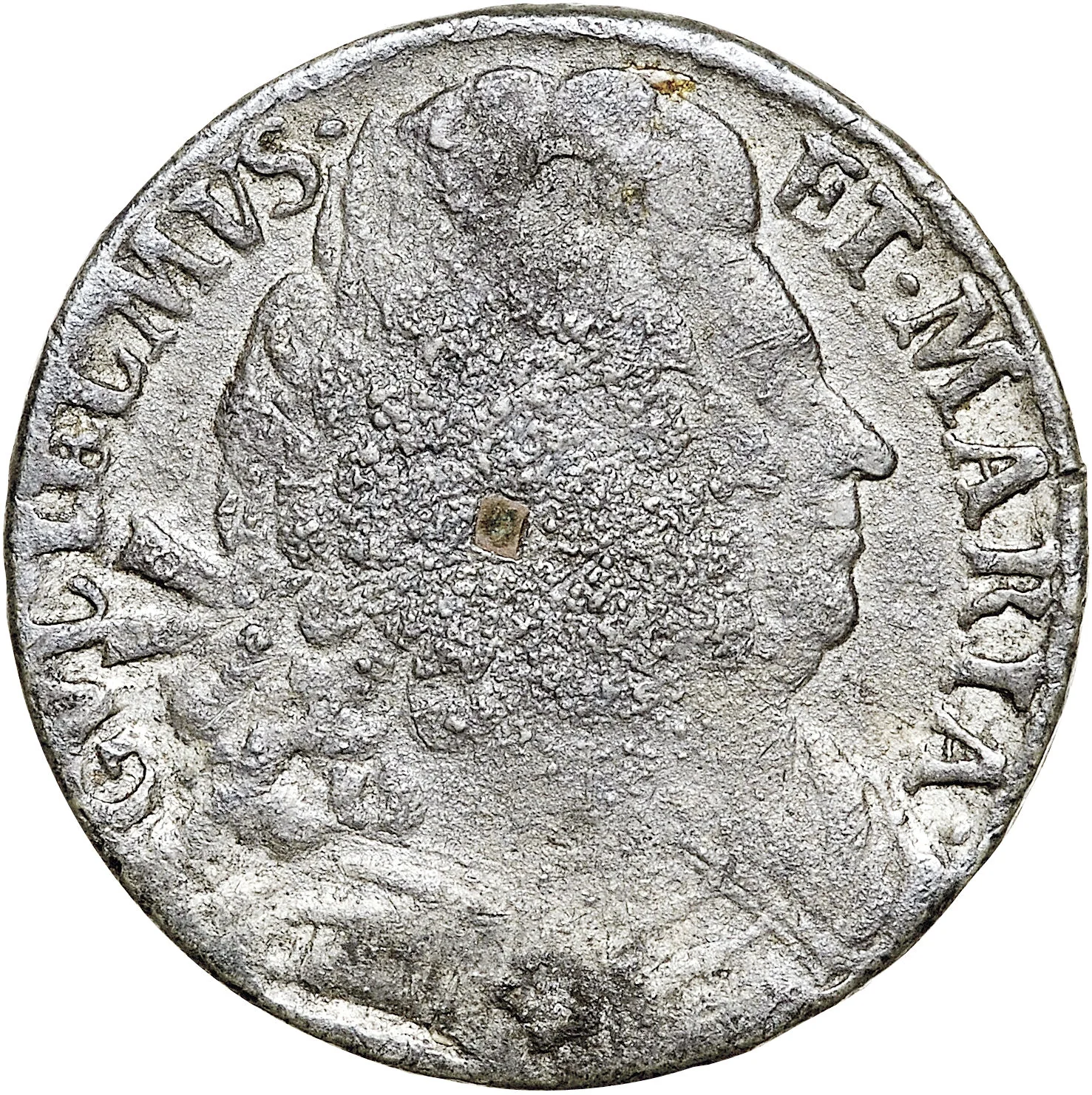
Obverse
Description:
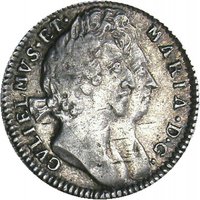
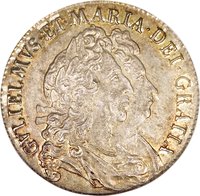
Conjoined busts of William and Mary right, legend around.
Inscription:
GVLIELMVS ET MARIA
Script: Latin
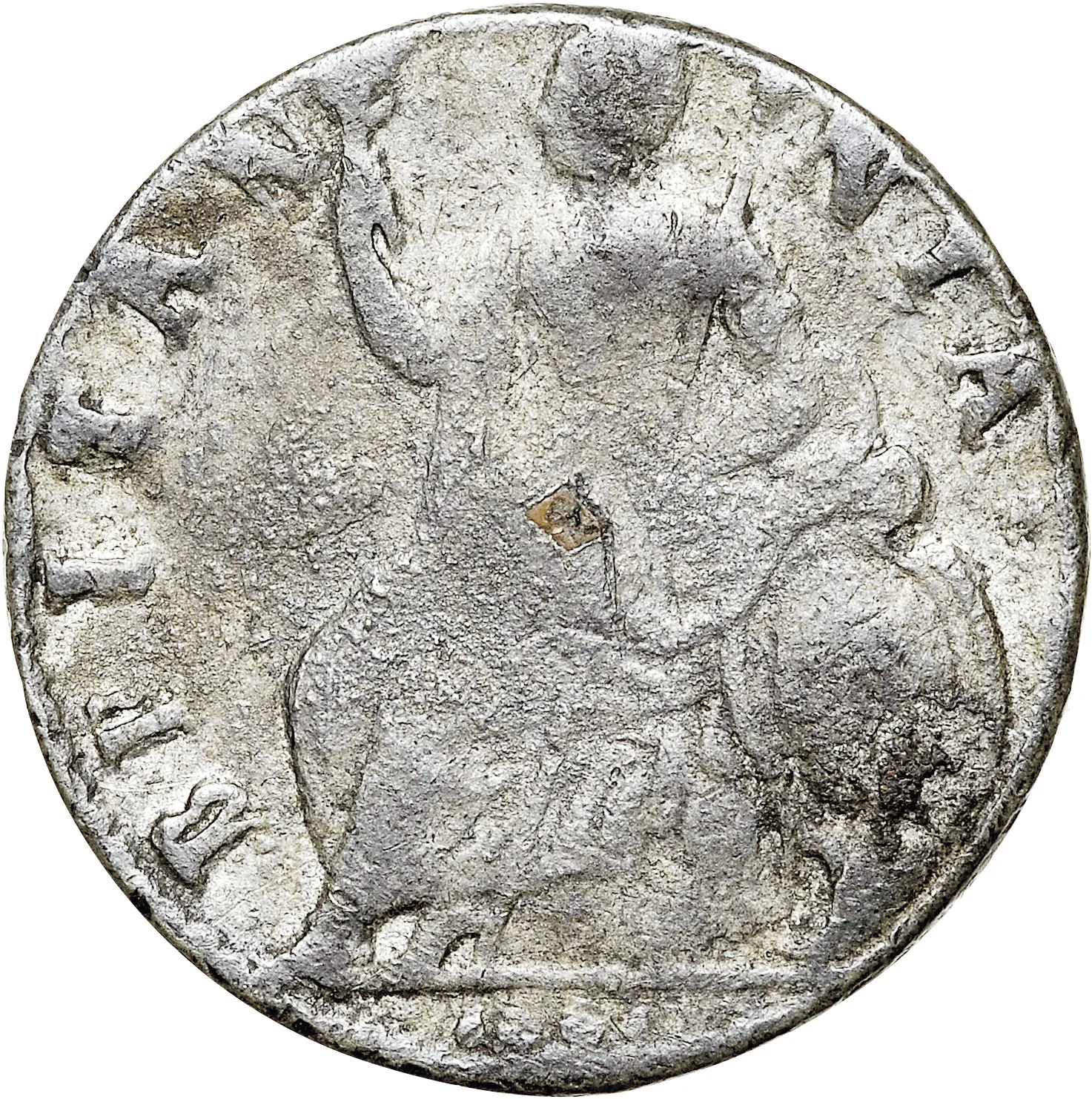
Reverse
Description:
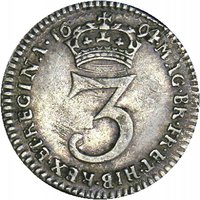
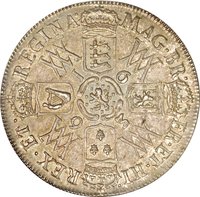
Britannia seated left, holding olive branch and spear, Union flag shield beside, legend around, date below.
Inscription:
BRITANNIA
1692
1692
Script: Latin
Engraver: John Roettier
Edge
Date
Mintings
| Year | Mint Mark | Mintage | Quality | Collection |
|---|---|---|---|---|
| 1691 | — | — | ||
| 1692 | — | — |
Historical background
In 1691, England’s currency system was in a state of profound crisis, caught between the pressures of war and the limitations of a metallic coinage. The Nine Years' War (1688–1697) against France was draining the Treasury, leading to severe shortages of silver coin. This was exacerbated by the widespread practice of "clipping" – shaving small amounts of precious metal from the edges of coins. Because coins were valued by their metal content, clipped and worn coins circulated at face value alongside full-weight ones, leading to Gresham’s Law in action: good, full-weight coins were hoarded or melted down for bullion, leaving only the degraded currency in circulation. This eroded trust in the very medium of exchange, crippling everyday commerce and state finances.
The government’s initial responses, including a 1690 recoinage proposal that was never enacted, had failed. The situation was a national scandal and a direct threat to the credit of the state, which struggled to pay its soldiers and suppliers. The monetary chaos also severely hampered the emerging banking system and the expansion of public credit necessary to fund the war. In this climate, the creation of the Bank of England in 1694 was already being conceived as a solution, not just for war finance but to stabilize the broader financial system.
Ultimately, the crisis of 1691 was the prelude to the Great Recoinage of 1696. The government, advised by figures like Isaac Newton (who would later become Warden of the Mint), would be forced to take drastic and expensive action. It decided to recall all old silver coinage and replace it with new, machine-milled coins with raised edges to prevent clipping. This process, undertaken at a colossal cost to the Crown, marked the pivotal transition from a physical bullion-based currency toward a more stable, state-guaranteed monetary system, laying essential groundwork for England’s future financial revolution.
The government’s initial responses, including a 1690 recoinage proposal that was never enacted, had failed. The situation was a national scandal and a direct threat to the credit of the state, which struggled to pay its soldiers and suppliers. The monetary chaos also severely hampered the emerging banking system and the expansion of public credit necessary to fund the war. In this climate, the creation of the Bank of England in 1694 was already being conceived as a solution, not just for war finance but to stabilize the broader financial system.
Ultimately, the crisis of 1691 was the prelude to the Great Recoinage of 1696. The government, advised by figures like Isaac Newton (who would later become Warden of the Mint), would be forced to take drastic and expensive action. It decided to recall all old silver coinage and replace it with new, machine-milled coins with raised edges to prevent clipping. This process, undertaken at a colossal cost to the Crown, marked the pivotal transition from a physical bullion-based currency toward a more stable, state-guaranteed monetary system, laying essential groundwork for England’s future financial revolution.
💎 Extremely Rare