

2 Mariengroschen – Brunswick-Lüneburg-Calenberg-Hannover
Germany

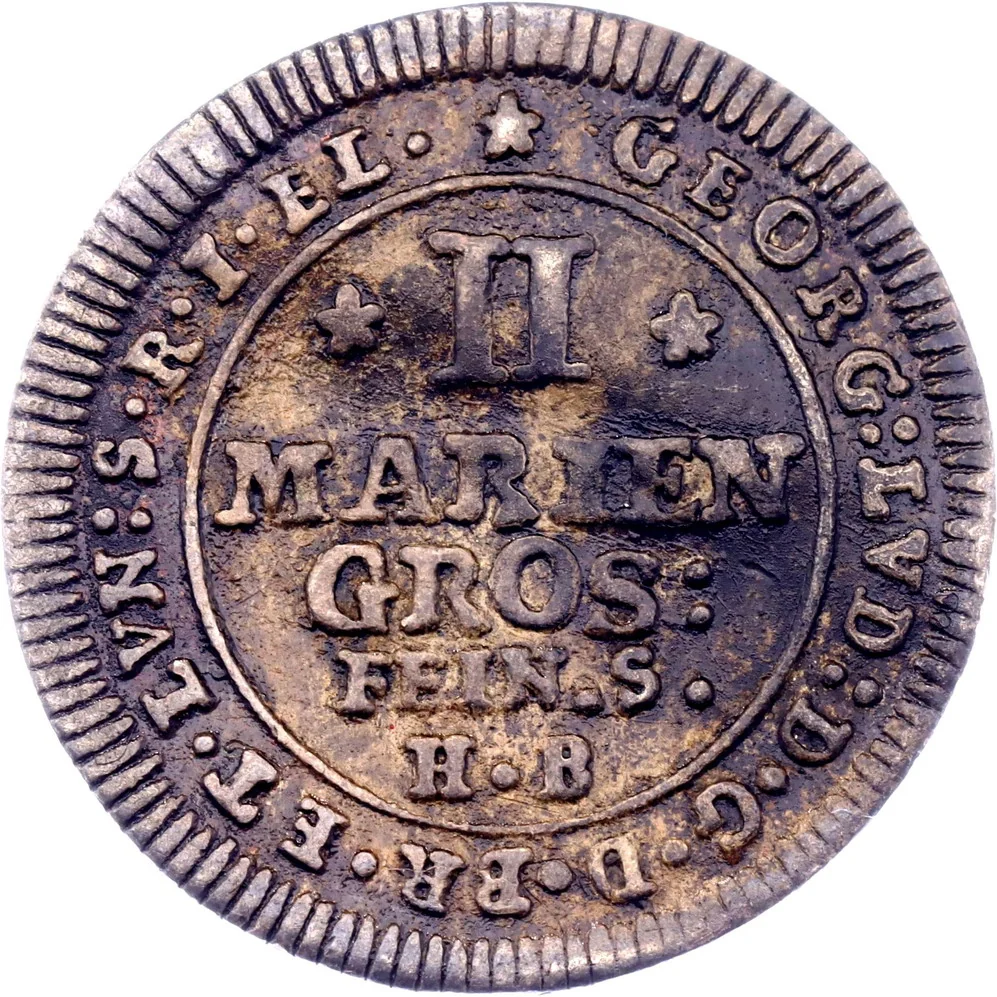
Obverse
Description:
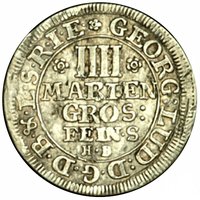
Center denomination, encircled legend.
Inscription:
*II*
MARIEN
GROS:
FEIN.S.
H.B
GEORG:LVD:D.G.D.BR.ET.LVN:S.R.I.EL.*
MARIEN
GROS:
FEIN.S.
H.B
GEORG:LVD:D.G.D.BR.ET.LVN:S.R.I.EL.*
Script: Latin
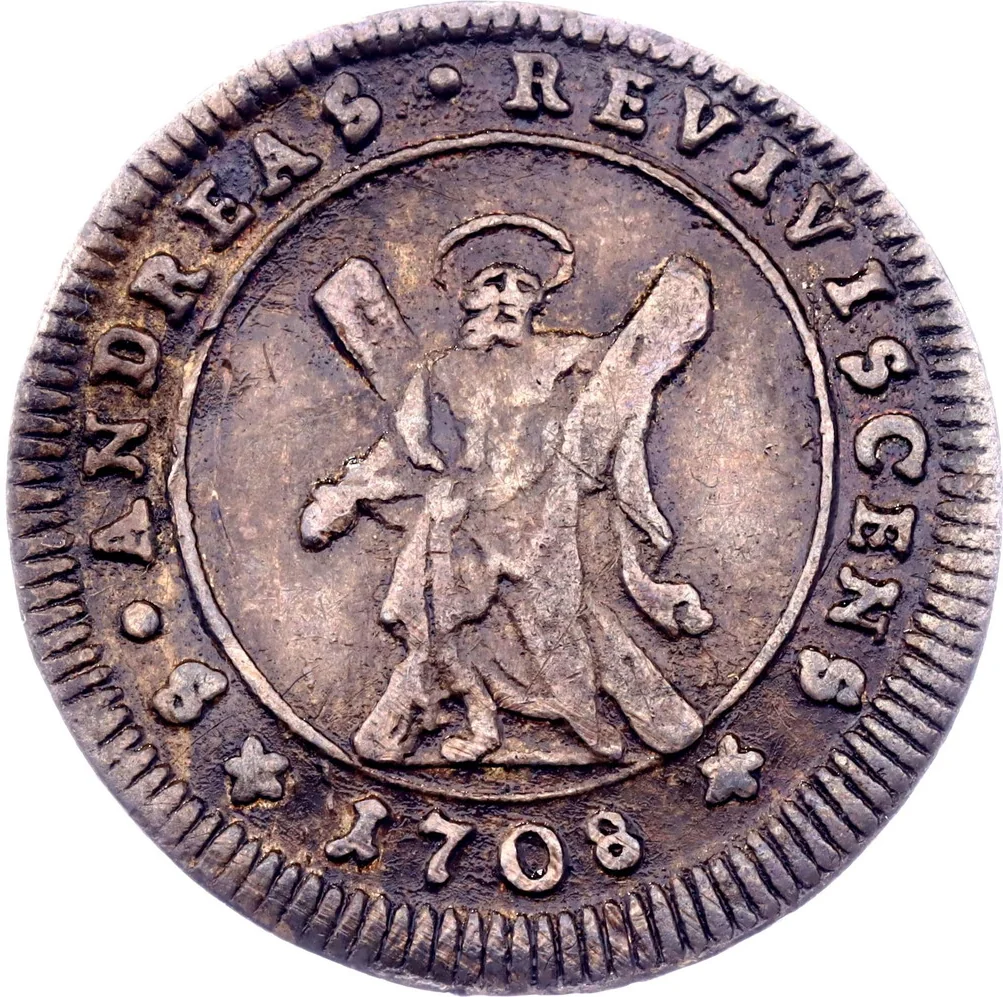
Reverse
Description:
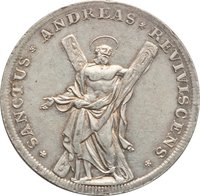
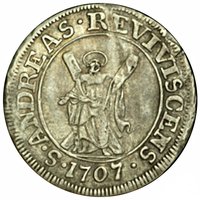
Saint Andrew with cross, encircled by legend.
Inscription:
S·ANDREAS·REVIVISCENS
*1708*
*1708*
Script: Latin
Edge
Mints
| Name | Mark |
|---|---|
| Clausthal | — |
Mintings
| Year | Mint Mark | Mintage | Quality | Collection |
|---|---|---|---|---|
| 1706 | — | — | ||
| 1708 | — | — |
Historical background
In 1706, the currency situation in the Duchy of Brunswick-Lüneburg, specifically the Principality of Calenberg (with its capital in Hanover), was characterized by significant complexity and instability. The region was part of the fragmented Holy Roman Empire, where numerous states minted their own coins, leading to a chaotic circulation of diverse domestic and foreign specie. The primary accounting unit was the Thaler, but actual circulation included a confusing mix of lower-value coins like Gute Groschen, Mariengroschen, and Pfennige, alongside foreign coins from neighboring German states and the Netherlands. This proliferation of coin types, each with varying metallic content and value, created a perpetual challenge for trade and public administration.
The instability was exacerbated by the financial demands of the War of the Spanish Succession (1701-1714), in which the Elector of Hanover, Georg Ludwig (the future King George I of Great Britain), was a committed ally to the Habsburg cause. To finance military expenditures, the state often resorted to debasement—reducing the precious metal content in coins while maintaining their face value. This practice, alongside the influx of even more debased coins from neighboring warring territories, fueled inflation and eroded public trust in the currency. Merchants and citizens faced constant uncertainty regarding the real value of their money, hindering economic activity.
Despite these pressures, the Hanoverian government recognized the need for reform. Efforts were underway to assert greater control over the monetary system, aiming to standardize coinage and suppress the worst of the debased currencies. However, in 1706, these measures were still a work in progress against the overwhelming tide of wartime finance. The situation would only find more lasting stability later, particularly after the personal union with Great Britain in 1714, which brought greater financial resources and impetus for a more orderly monetary regime.
The instability was exacerbated by the financial demands of the War of the Spanish Succession (1701-1714), in which the Elector of Hanover, Georg Ludwig (the future King George I of Great Britain), was a committed ally to the Habsburg cause. To finance military expenditures, the state often resorted to debasement—reducing the precious metal content in coins while maintaining their face value. This practice, alongside the influx of even more debased coins from neighboring warring territories, fueled inflation and eroded public trust in the currency. Merchants and citizens faced constant uncertainty regarding the real value of their money, hindering economic activity.
Despite these pressures, the Hanoverian government recognized the need for reform. Efforts were underway to assert greater control over the monetary system, aiming to standardize coinage and suppress the worst of the debased currencies. However, in 1706, these measures were still a work in progress against the overwhelming tide of wartime finance. The situation would only find more lasting stability later, particularly after the personal union with Great Britain in 1714, which brought greater financial resources and impetus for a more orderly monetary regime.
💎 Very Rare