

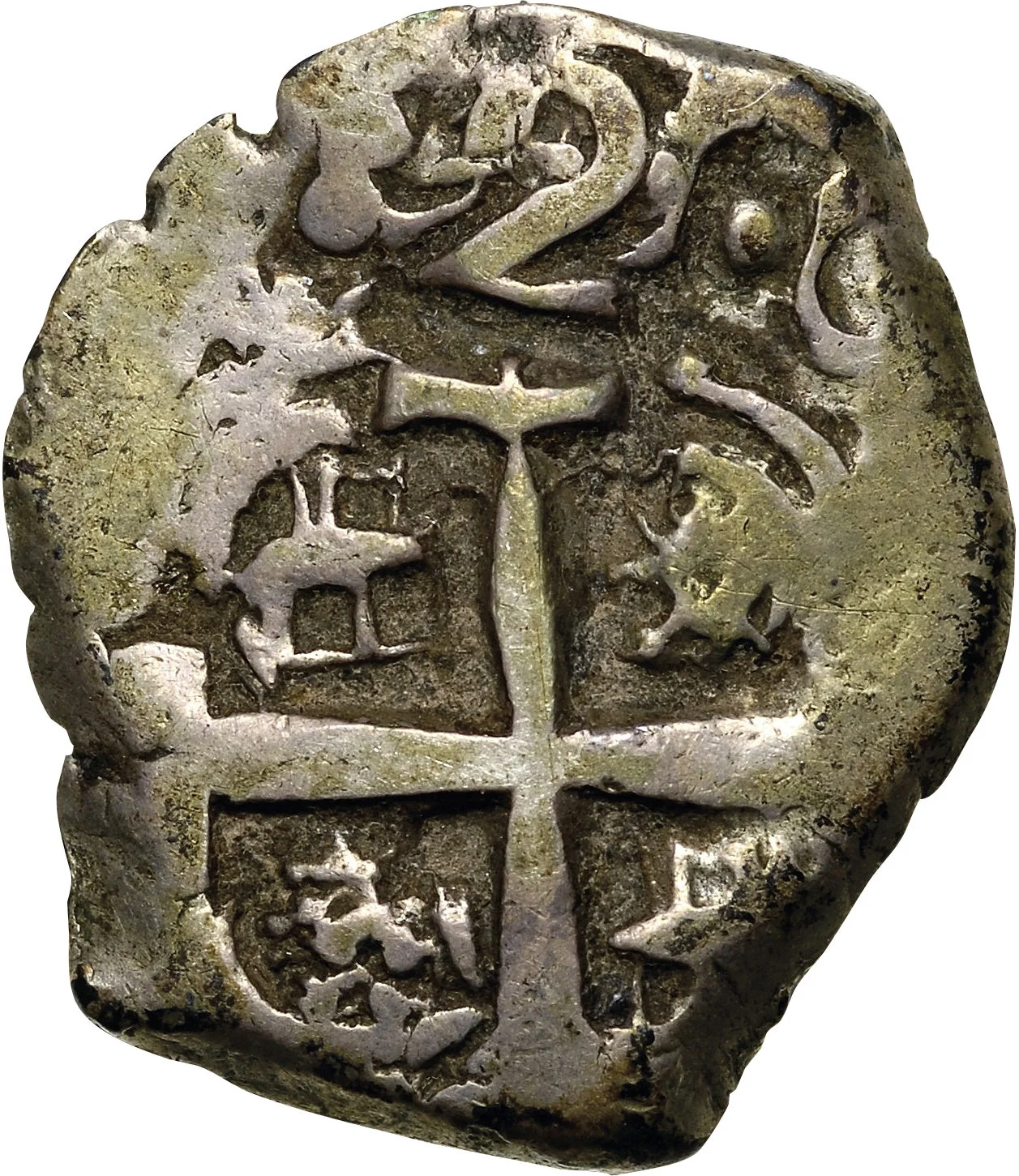
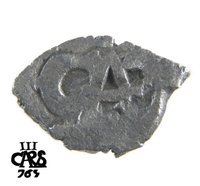
Obverse
Inscription:
CAROLVS TERTIVS
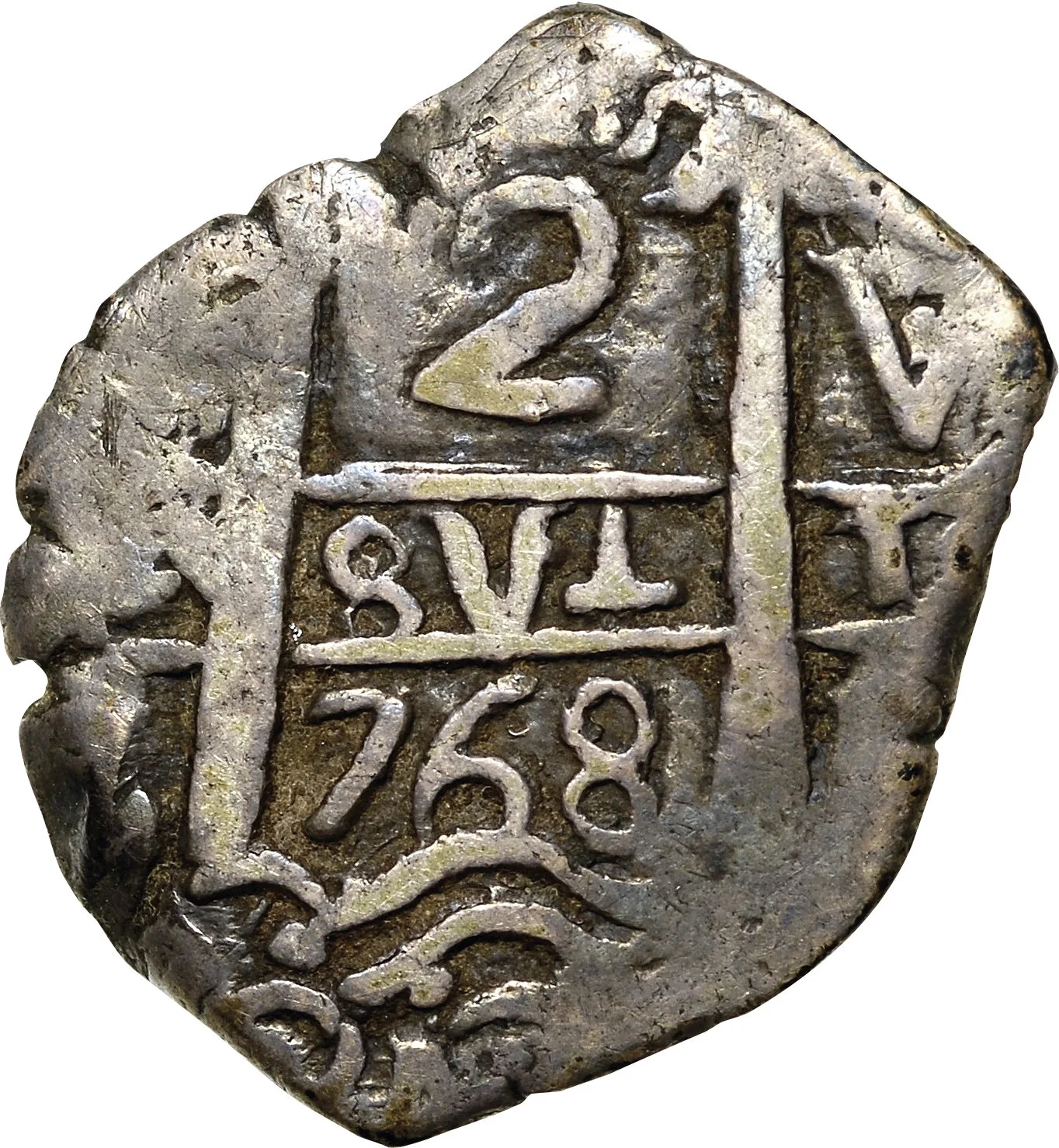
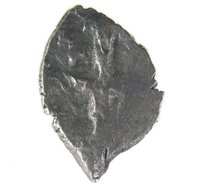
Reverse
Inscription:
2
1767
1767
Edge
Mintings
| Year | Mint Mark | Mintage | Quality | Collection |
|---|---|---|---|---|
| 1759 | P | — | ||
| 1760 | P | — | ||
| 1761 | P | — | ||
| 1762 | P | — | ||
| 1763 | P | — | ||
| 1764 | P | — | ||
| 1765 | P | — | ||
| 1766 | P | — | ||
| 1767 | P | — | ||
| 1768 | P | — | ||
| 1769 | P | — | ||
| 1770 | P | — | ||
| 1771 | P | — | ||
| 1772 | P | — | ||
| 1773 | P | — |
Historical background
In 1759, Bolivia, then known as the colonial territory of the Viceroyalty of Peru, operated within a complex and strained monetary system dominated by silver. The heart of this system was the Potosí mint, located at the foot of the Cerro Rico mountain, which was one of the most prolific silver producers in the world. The primary coin minted was the Spanish silver dollar or "real de a ocho" (piece of eight), which served as a de facto global currency. However, the system was plagued by chronic shortages of circulating coinage for everyday transactions, leading to widespread use of informal credit, barter, and even coca leaves as a medium of exchange in local markets.
The fiscal administration was directly controlled by the Spanish Crown, which extracted vast quantities of silver through the "quinto real" (royal fifth), a 20% tax on all mined precious metals. This wealth flowed to Spain, financing its European wars and leaving the local economy underdeveloped and cash-poor. Furthermore, the mint at Potosí was infamous for corruption and debasement; a major scandal in the previous century had involved the production of underweight coins, and while reforms were attempted, maintaining the purity and weight of coinage remained a persistent challenge, undermining trust in the currency both locally and in international trade.
By the mid-18th century, the Bourbon Reforms were beginning to impact the region, aiming to increase efficiency and royal revenue. These reforms would soon lead to the creation of the new Viceroyalty of the Río de la Plata in 1776, transferring the Audiencia of Charcas (including Potosí) to its administration. Thus, in 1759, the currency situation was in a state of colonial extraction and inefficiency, setting the stage for future administrative changes but doing little to alleviate the fundamental problems of specie shortage and economic dependency that characterized the era.
The fiscal administration was directly controlled by the Spanish Crown, which extracted vast quantities of silver through the "quinto real" (royal fifth), a 20% tax on all mined precious metals. This wealth flowed to Spain, financing its European wars and leaving the local economy underdeveloped and cash-poor. Furthermore, the mint at Potosí was infamous for corruption and debasement; a major scandal in the previous century had involved the production of underweight coins, and while reforms were attempted, maintaining the purity and weight of coinage remained a persistent challenge, undermining trust in the currency both locally and in international trade.
By the mid-18th century, the Bourbon Reforms were beginning to impact the region, aiming to increase efficiency and royal revenue. These reforms would soon lead to the creation of the new Viceroyalty of the Río de la Plata in 1776, transferring the Audiencia of Charcas (including Potosí) to its administration. Thus, in 1759, the currency situation was in a state of colonial extraction and inefficiency, setting the stage for future administrative changes but doing little to alleviate the fundamental problems of specie shortage and economic dependency that characterized the era.
💎 Very Rare