

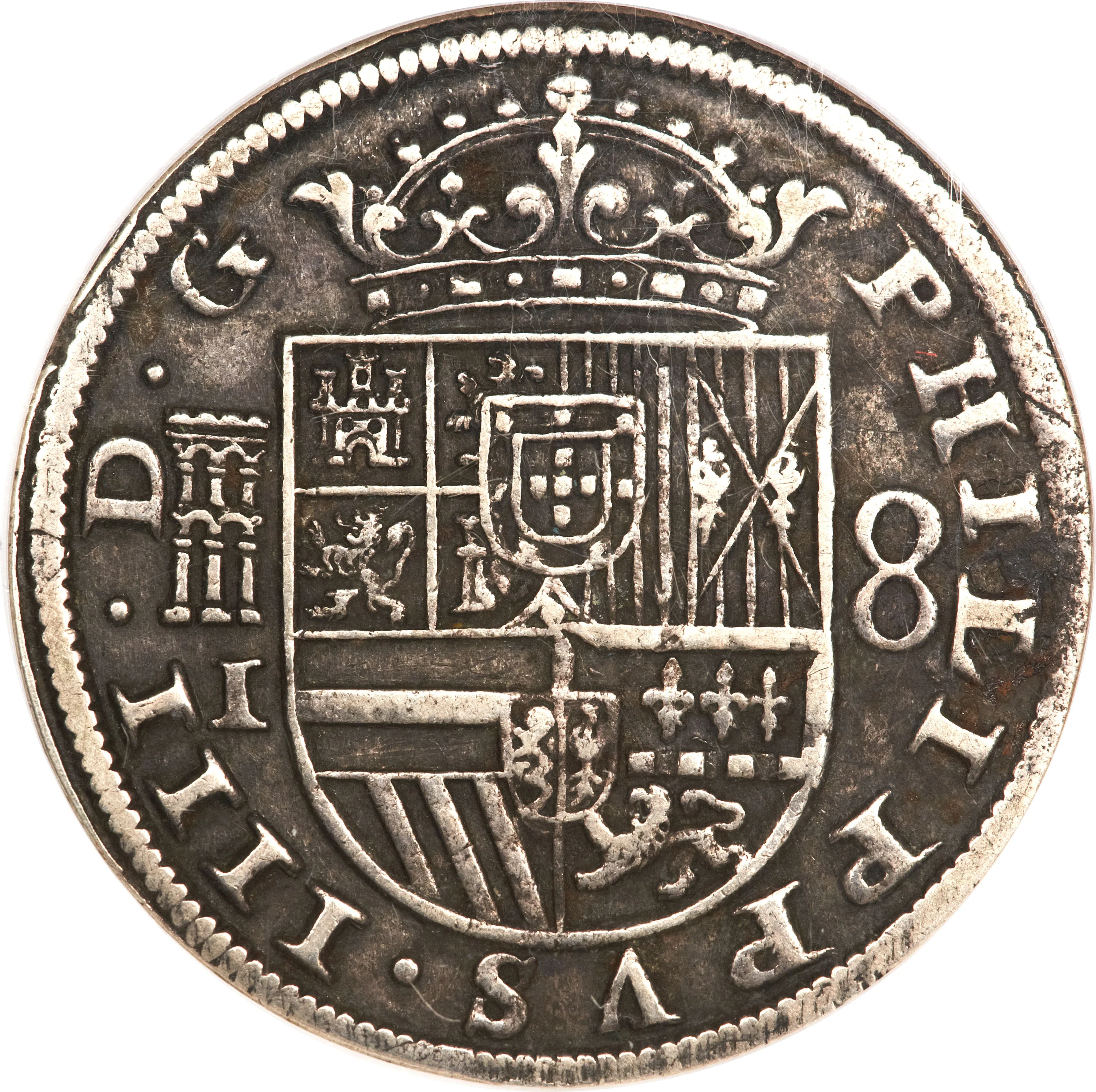
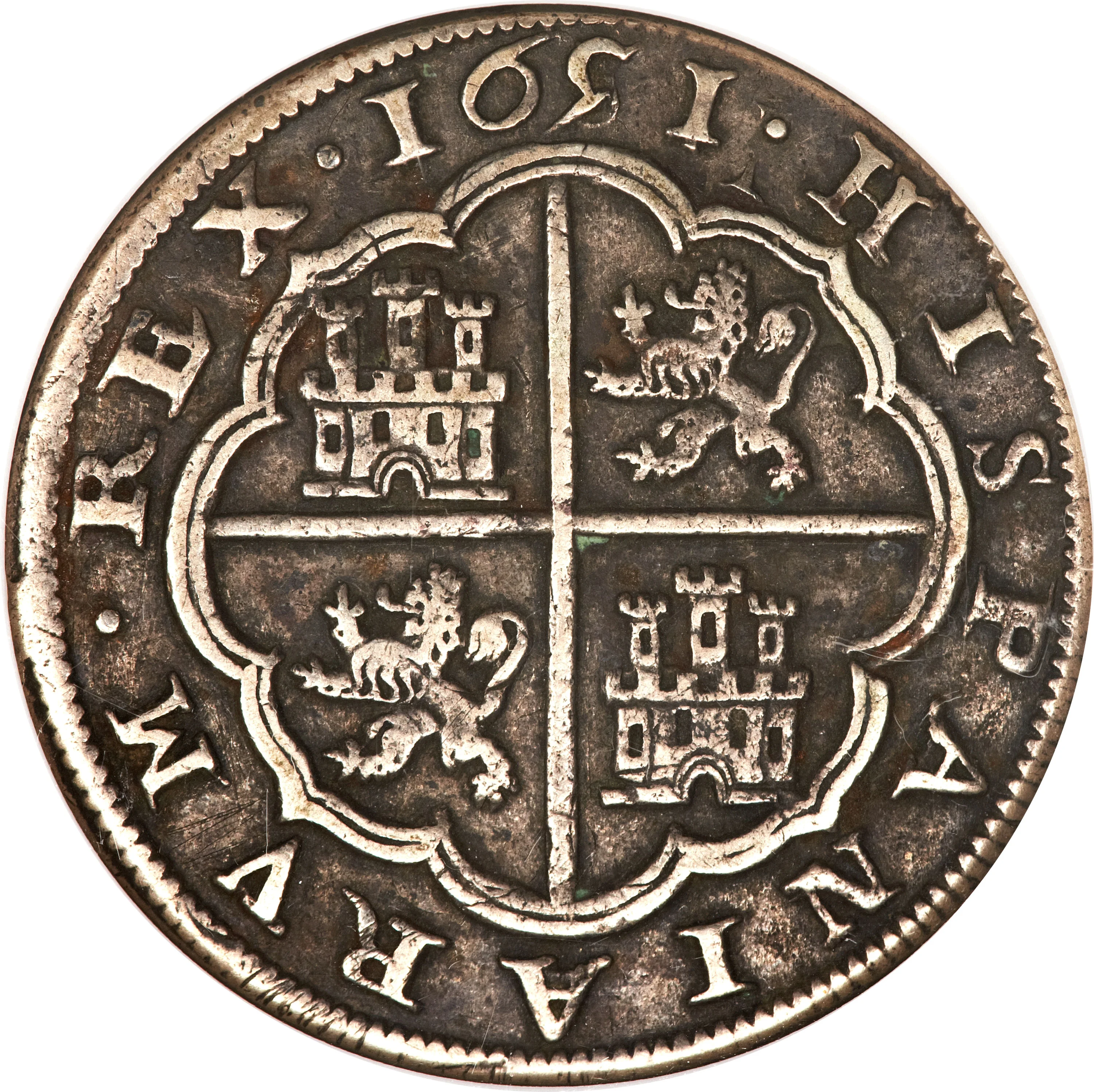
8 Reales – Spain
Spain

Material
Diameter: 41 mm
Weight: 27 g
Silver weight: 25.14 g
Shape: Round
Composition: 93.1% Silver
Magnetic: No
Technique: Roller milled
Alignment: Medal alignment
flip
References
KM: #Click to copy to clipboard111
Numista: #23630
Value
Bullion value: $72.91
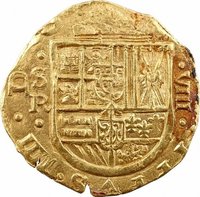
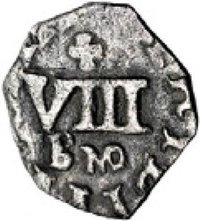
Obverse
Inscription:
PHILIPPVS · IIII · D · G
8
8
Script: Latin
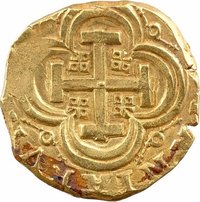
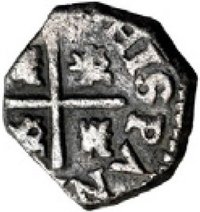
Reverse
Inscription:
HISPANIARVM · REX · 1651
Script: Latin
Edge
Mints
| Name | Mark |
|---|---|
| Royal Mint of Segovia | — |
Mintings
| Year | Mint Mark | Mintage | Quality | Collection |
|---|---|---|---|---|
| 1632 | R | — | ||
| 1633 | R | — | ||
| 1635 | R | — | ||
| 1636 | R | — | ||
| 1651 | I | — | ||
| 1652 | BR | — | ||
| 1659 | BR | — | ||
| 1659 | I | — | ||
| 1660 | BR | — |
Historical background
In 1632, Spain was in the grip of a profound monetary crisis that had been building for decades. The empire, under King Philip IV and his chief minister, the Count-Duke of Olivares, was engaged in multiple costly wars across Europe, most notably the Thirty Years' War and ongoing conflicts with the Dutch Republic. To finance these immense expenditures, the Crown had resorted to repeated debasements of the primary silver coin, the real and its larger unit, the escudo. The government would call in coinage, melt it down, and reissue it with the same face value but a lower precious metal content, a process known as vellón. This practice, while providing short-term liquidity, was eroding trust in the currency and fueling rampant inflation.
The situation was further complicated by a chaotic mix of circulating media. Alongside the debased silver, there was a flood of pure copper vellón coinage, which had been massively minted since the 1620s. Furthermore, high-value gold escudos and full-weight silver coins from the Americas (the famous "pieces of eight") continued to arrive but were often hoarded, exported, or clipped, removing sound money from daily circulation. This created a dysfunctional bimetallic system where the intrinsic value of a coin could differ wildly from its nominal value, leading to Gresham's Law in action: "bad" copper and debased silver drove "good" gold and full-weight silver out of the domestic economy.
The consequences were severe economic distortion. Prices, particularly for basic goods, soared as the currency's value plummeted, causing widespread hardship. The government attempted desperate measures, such as the failed 1628 decree that attempted to fix the value of copper vellón at par with silver, which only worsened the crisis. By 1632, the monetary system was a central factor in Spain's deepening economic decline, undermining commerce, creating public unrest, and straining the very imperial ambitions the currency manipulations were meant to fund. The financial foundations of the Habsburg empire were crumbling from within.
The situation was further complicated by a chaotic mix of circulating media. Alongside the debased silver, there was a flood of pure copper vellón coinage, which had been massively minted since the 1620s. Furthermore, high-value gold escudos and full-weight silver coins from the Americas (the famous "pieces of eight") continued to arrive but were often hoarded, exported, or clipped, removing sound money from daily circulation. This created a dysfunctional bimetallic system where the intrinsic value of a coin could differ wildly from its nominal value, leading to Gresham's Law in action: "bad" copper and debased silver drove "good" gold and full-weight silver out of the domestic economy.
The consequences were severe economic distortion. Prices, particularly for basic goods, soared as the currency's value plummeted, causing widespread hardship. The government attempted desperate measures, such as the failed 1628 decree that attempted to fix the value of copper vellón at par with silver, which only worsened the crisis. By 1632, the monetary system was a central factor in Spain's deepening economic decline, undermining commerce, creating public unrest, and straining the very imperial ambitions the currency manipulations were meant to fund. The financial foundations of the Habsburg empire were crumbling from within.
💎 Extremely Rare