

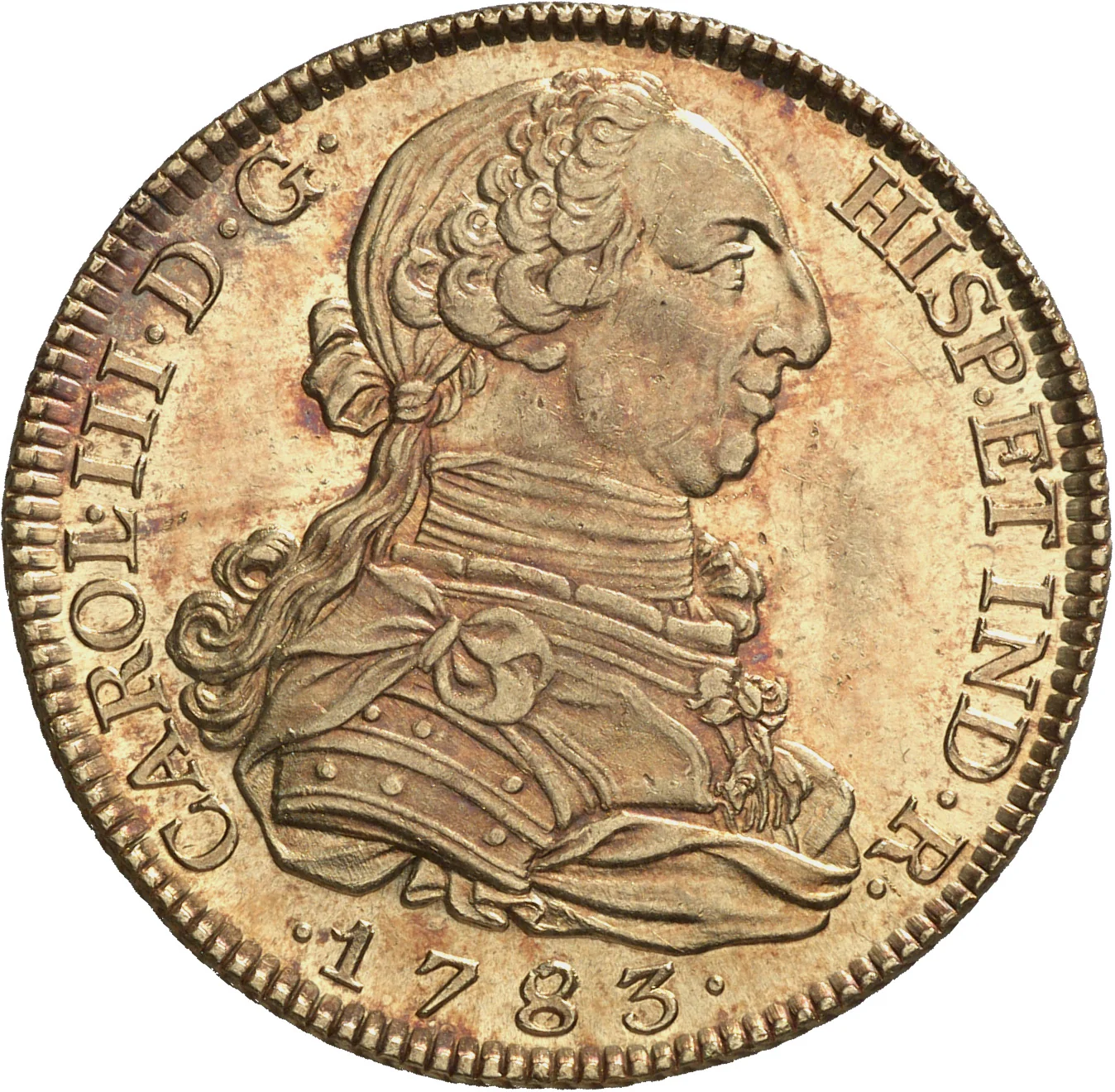
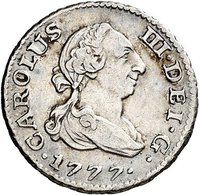
Obverse
Description:
Armored bust of King Charles III facing right.
Inscription:
CAROL · III · D · G · HISP · ET IND · R ·
· 1773 ·
· 1773 ·
Script: Latin
Engraver: Tomás Francisco Prieto Martin
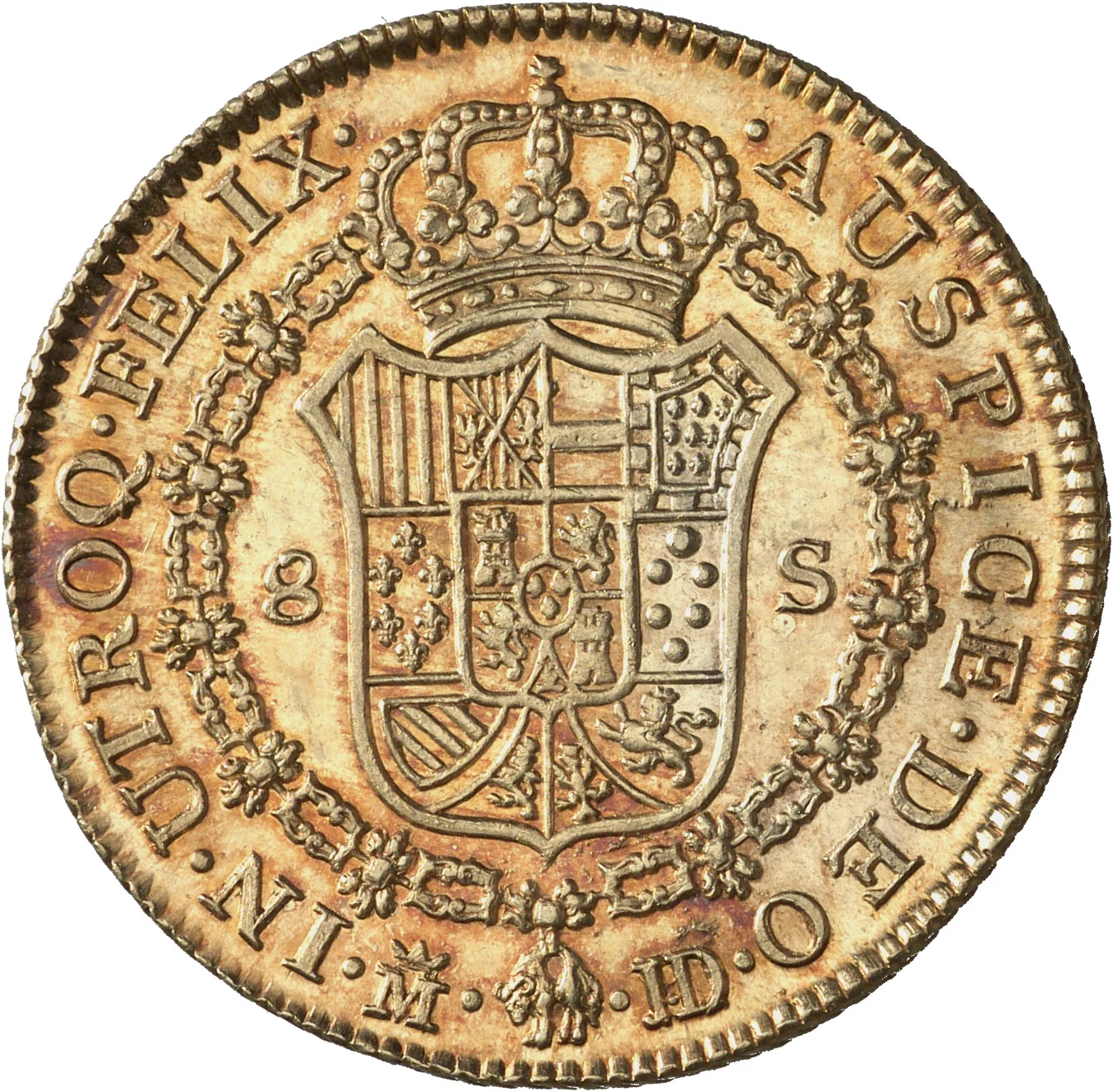
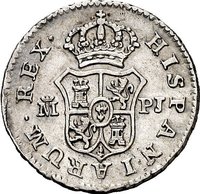
Reverse
Description:
Crowned Spanish coat of arms with the Golden Fleece.
Inscription:
IN · UTROQ · FELIX · · AUSPICE · DEO
8 S
· M · · P·J ·
8 S
· M · · P·J ·
Script: Latin
Engravers: Tomás Francisco Prieto Martin, Antonio de Saa
Edge
Categories
| Symbols> Coat of Arms |
Mints
| Name | Mark |
|---|---|
| Royal Mint of Madrid | (M) |
| Royal Mint of Seville | (S) |
Mintings
| Year | Mint Mark | Mintage | Quality | Collection |
|---|---|---|---|---|
| 1771 | MJP | — | ||
| 1772 | MPJ | — | ||
| 1772 | SCF | — | ||
| 1773 | MPJ | — | ||
| 1773 | SCF | — | ||
| 1774 | MPJ | — | ||
| 1774 | SCF | — | ||
| 1775 | MPJ | — | ||
| 1775 | SCF | — | ||
| 1776 | SCF | — | ||
| 1776 | MFA | — | ||
| 1776 | MPJ | — | ||
| 1777 | MPJ | — | ||
| 1778 | MPJ | — | ||
| 1779 | MPJ | — | ||
| 1779 | SCF | — | ||
| 1782 | MJJ | — | ||
| 1783 | MJD | — | ||
| 1784 | MJD | — | ||
| 1784 | SC | — |
Historical background
In 1771, Spain operated under a complex and strained monetary system, largely a legacy of its global empire. The primary currency was the real, with the silver real de a ocho (piece of eight) serving as a key international trade coin. However, the system was fragmented, with different regions like Catalonia using their own accounting units (the lliura), and a proliferation of both domestic and foreign coins, including Portuguese and French issues, circulating within the country. This lack of uniformity created significant challenges for commerce and state finance.
The period was marked by chronic debasement and inflation. To finance incessant warfare and imperial commitments, the Crown had repeatedly reduced the silver content in its coinage over the preceding decades. This practice, combined with a massive influx of lower-value vellón (copper-based) coins, had eroded public trust in the currency and driven valuable full-weight silver coins out of circulation (Gresham's Law). The result was a dual system where transactions were often negotiated based on whether payment was in "good silver" or in heavily discounted billon and copper.
King Charles III's ministers were actively seeking solutions to this monetary crisis. The focus in the early 1770s was on stabilization and centralization. Efforts were underway to withdraw debased coinage from circulation and re-establish a reliable silver standard, a process that would culminate in the major monetary reform of 1772-1776. This reform aimed to simplify the system, introduce new uniform coinage for Spain and its empire, and restore fiscal credibility—a crucial step for a monarchy grappling with economic modernization and imperial decline.
The period was marked by chronic debasement and inflation. To finance incessant warfare and imperial commitments, the Crown had repeatedly reduced the silver content in its coinage over the preceding decades. This practice, combined with a massive influx of lower-value vellón (copper-based) coins, had eroded public trust in the currency and driven valuable full-weight silver coins out of circulation (Gresham's Law). The result was a dual system where transactions were often negotiated based on whether payment was in "good silver" or in heavily discounted billon and copper.
King Charles III's ministers were actively seeking solutions to this monetary crisis. The focus in the early 1770s was on stabilization and centralization. Efforts were underway to withdraw debased coinage from circulation and re-establish a reliable silver standard, a process that would culminate in the major monetary reform of 1772-1776. This reform aimed to simplify the system, introduce new uniform coinage for Spain and its empire, and restore fiscal credibility—a crucial step for a monarchy grappling with economic modernization and imperial decline.
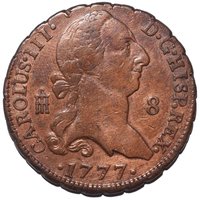
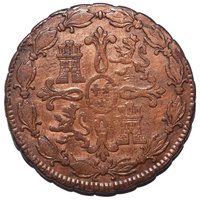
💎 Extremely Rare