

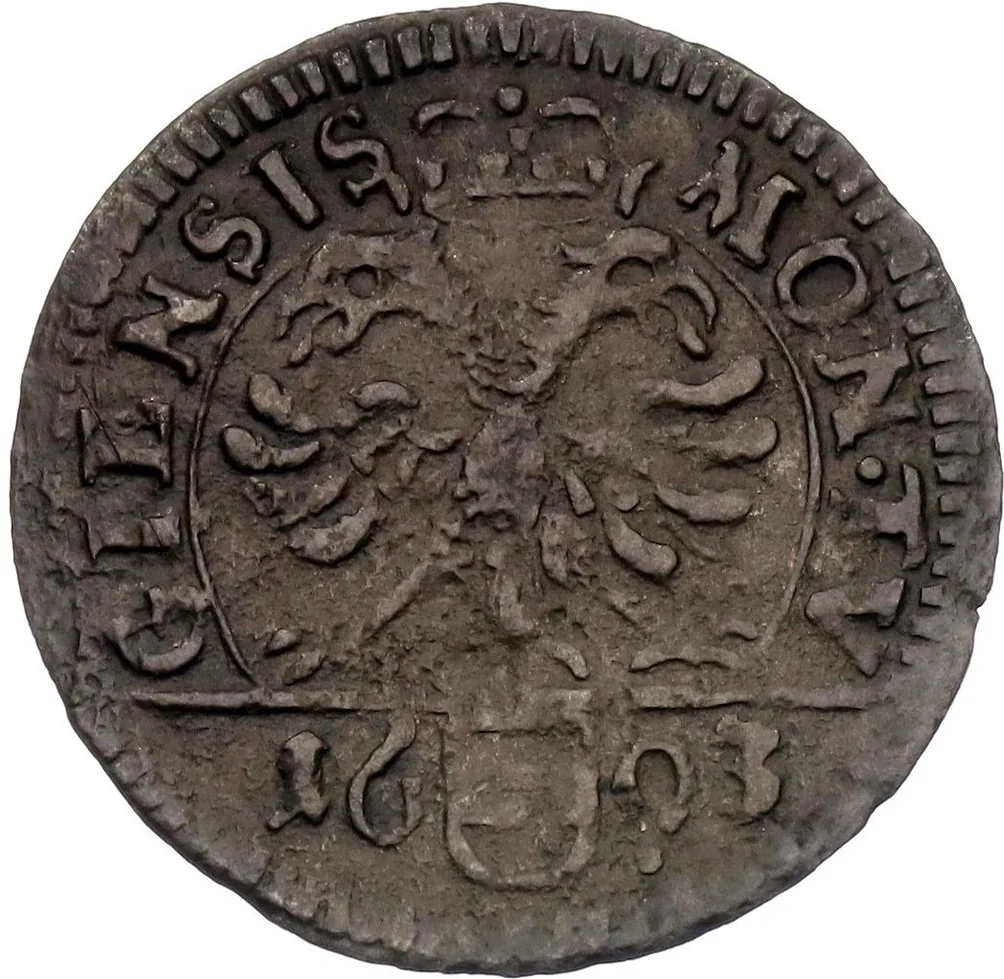
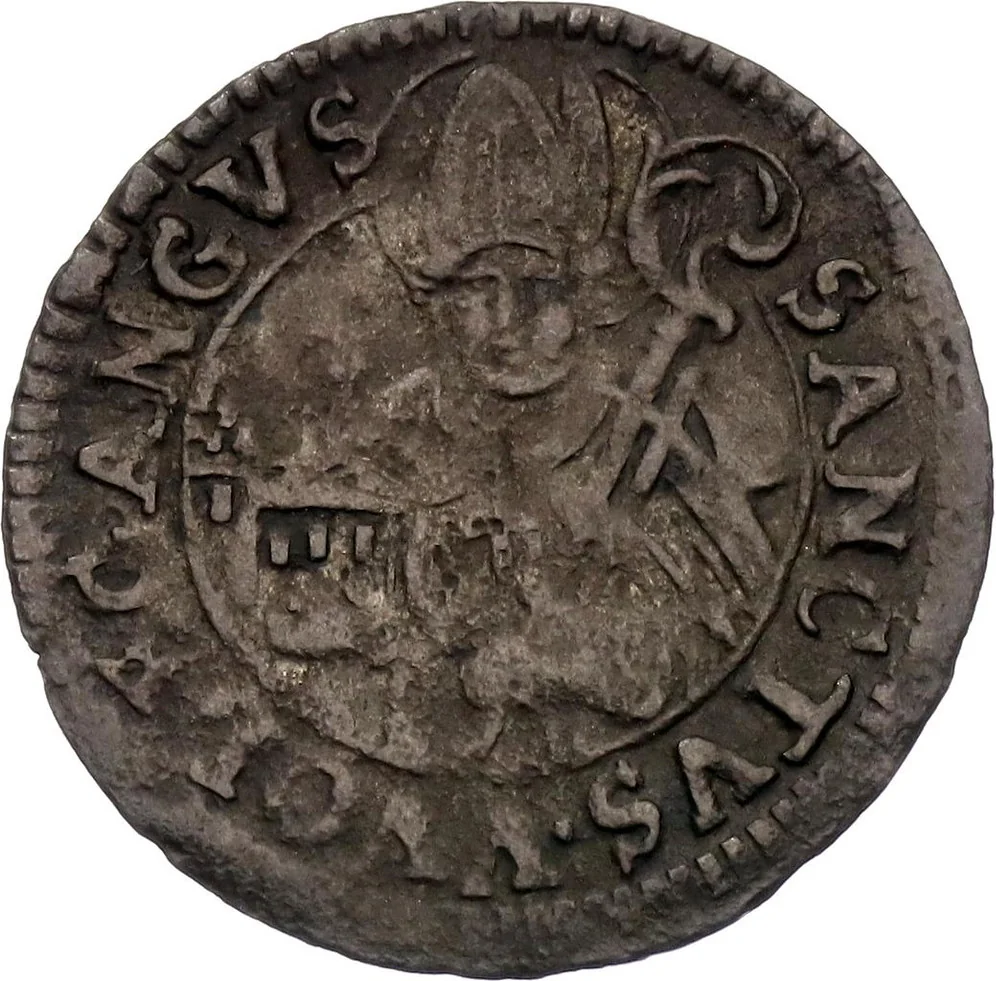
Switzerland

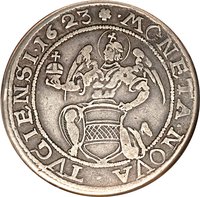
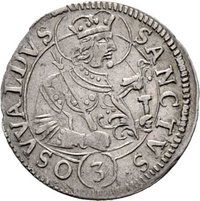
Obverse
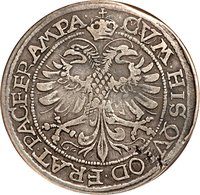
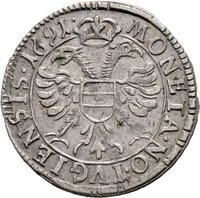
Reverse
Edge
Mintings
| Year | Mint Mark | Mintage | Quality | Collection |
|---|---|---|---|---|
| 1691 | — | — | ||
| 1692 | — | — | ||
| 1693 | — | — |
Historical background
In 1691, Zug, like other Swiss cantons, operated within a complex and fragmented monetary landscape. It did not mint its own coins but relied heavily on a circulation of foreign currencies, primarily silver thalers from the German states and various Swiss coins from neighboring cantons like Bern and Lucerne. This created chronic instability, as the value, weight, and silver content of these coins varied widely, leading to confusion in trade and frequent disputes. The canton’s authorities attempted to regulate this by officially setting and periodically revising "valuation lists" (Taxen) that defined the acceptable exchange rates for dozens of different foreign coins in local accounting.
The situation was further complicated by the existence of two parallel monetary systems: one for physical coinage and another for accounting. The standard unit of account in Zug was the Pfund (pound), subdivided into 40 Schilling, but this was a notional value used for bookkeeping, contracts, and setting prices. Actual payments were made in a jumble of physical coins—Batzen, Kreuzer, and Groschen—whose fluctuating market value against the stable Pfund required constant recalibration. This disconnect between "money of account" and "money of exchange" was a source of inconvenience and potential fraud, especially for the peasantry and small traders.
The year 1691 fell within a period of particular economic strain following the devastation of the Thirty Years' War and more recent conflicts like the 1656 Villmergen War. Debts were high, and the scarcity of good coinage was a persistent problem. While Zug participated in discussions about creating a unified Swiss currency, no concrete federal system would emerge for over a century. Therefore, in 1691, the canton’s monetary policy remained a defensive and reactive effort to manage a chaotic influx of foreign coins, protect local markets from devalued currency, and maintain a stable standard for debts and taxes within its borders, a challenging task with limited sovereign tools.
The situation was further complicated by the existence of two parallel monetary systems: one for physical coinage and another for accounting. The standard unit of account in Zug was the Pfund (pound), subdivided into 40 Schilling, but this was a notional value used for bookkeeping, contracts, and setting prices. Actual payments were made in a jumble of physical coins—Batzen, Kreuzer, and Groschen—whose fluctuating market value against the stable Pfund required constant recalibration. This disconnect between "money of account" and "money of exchange" was a source of inconvenience and potential fraud, especially for the peasantry and small traders.
The year 1691 fell within a period of particular economic strain following the devastation of the Thirty Years' War and more recent conflicts like the 1656 Villmergen War. Debts were high, and the scarcity of good coinage was a persistent problem. While Zug participated in discussions about creating a unified Swiss currency, no concrete federal system would emerge for over a century. Therefore, in 1691, the canton’s monetary policy remained a defensive and reactive effort to manage a chaotic influx of foreign coins, protect local markets from devalued currency, and maintain a stable standard for debts and taxes within its borders, a challenging task with limited sovereign tools.
💎 Extremely Rare