

Abbasi – Quba Khanate
Context
Years: 1214–1223
Country: Caucasia
Issuer: Quba Khanate
Ruler: Shaykh 'Ali Khan
Currency:
Demonetized: Yes
Material
Diameter: 26 mm
Weight: 2.31 g
Silver weight: 2.31 g
Shape: Irregular round
Composition: Silver
Magnetic: No
References
KM: #Click to copy to clipboard1
Numista: #220543
Value
Bullion value: $6.57
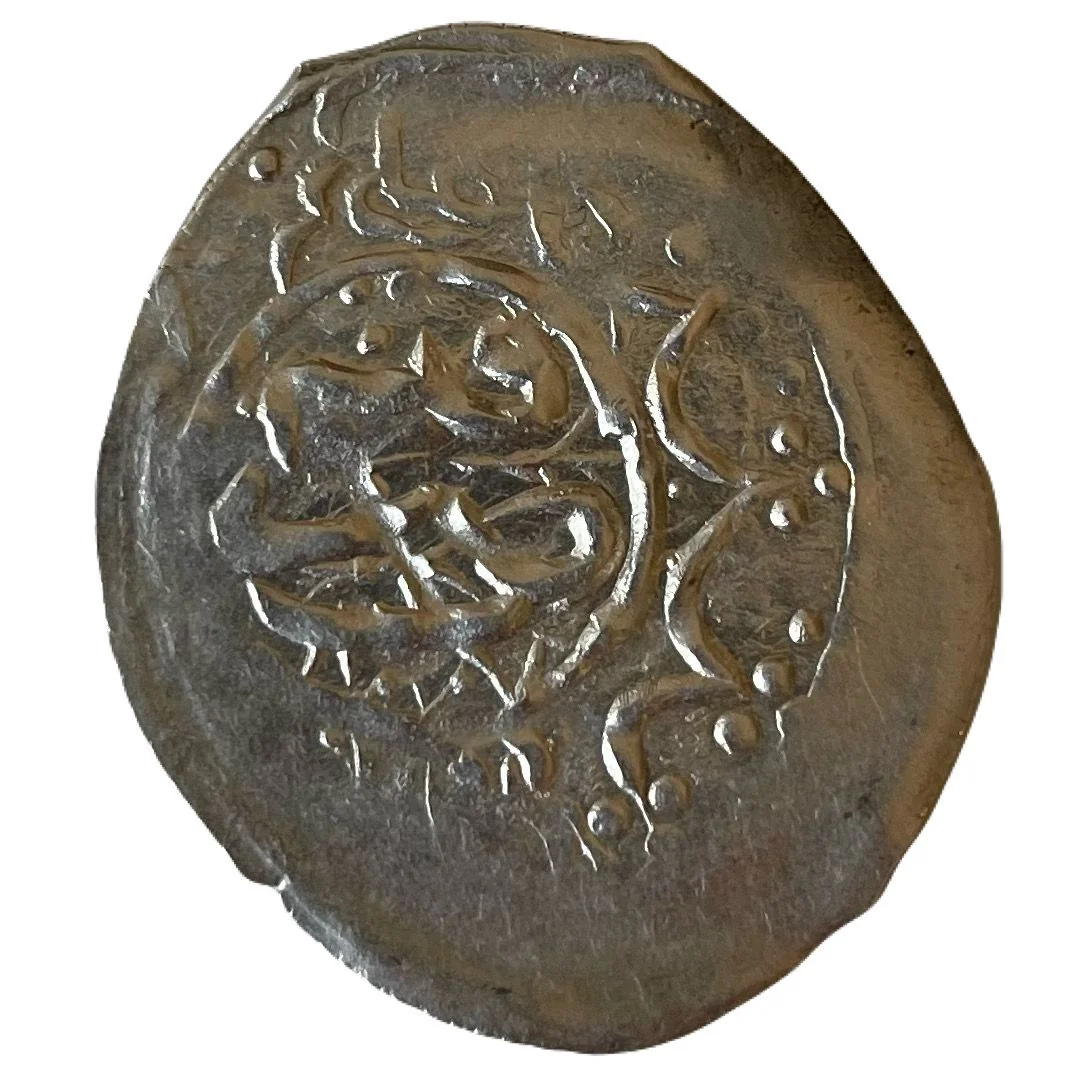
Obverse
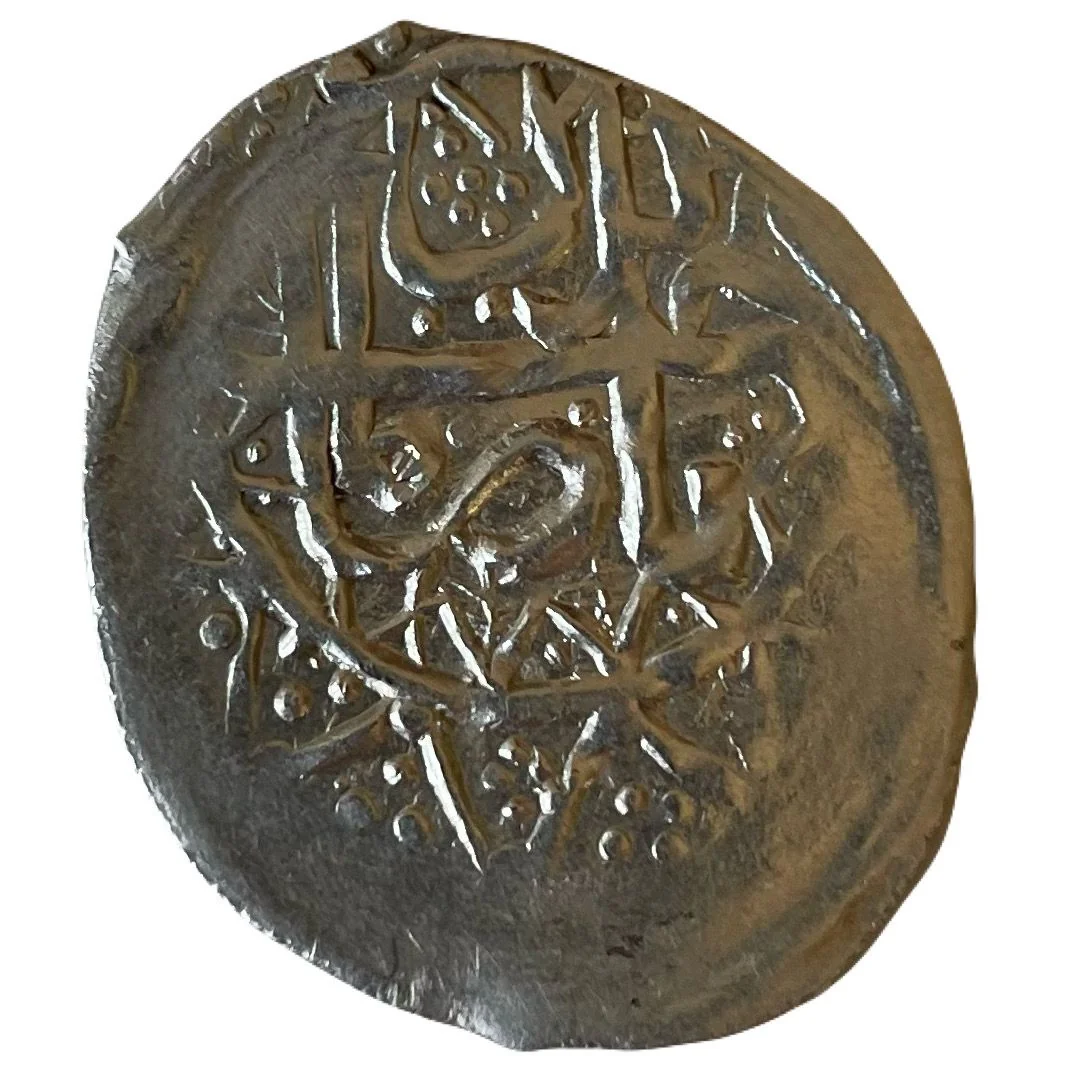
Reverse
Edge
Mintings
| Year | Mint Mark | Mintage | Quality | Collection |
|---|---|---|---|---|
| 1214 | — | — | ||
| 1215 | — | — | ||
| 1216 | — | — | ||
| 1217 | — | — | ||
| 1218 | — | — | ||
| 1219 | — | — | ||
| 1220 | — | — | ||
| 1221 | — | — | ||
| 1222 | — | — | ||
| 1223 | — | — |
Historical background
In 1214, the Quba Khanate, a relatively minor but strategically located polity in the northeastern Caucasus, operated within a complex and fragmented monetary landscape. Its economy was fundamentally pastoral and agricultural, with barter and payment in kind remaining widespread, especially in rural highland communities. However, as a participant in regional trade routes linking the Caspian Sea with the interior, the khanate required more sophisticated mediums of exchange. Consequently, its monetary system was not autonomous but dominated by the influx of foreign silver coinage, primarily the dirhams of the neighboring and powerful Empire of Khwarezm. These coins, along with older Seljuk dirhams and even Byzantine trachys, circulated freely, their value determined by weight and silver purity rather than any central decree from Quba.
The khanate’s own minting capacity in this period was likely minimal or non-existent. Local rulers, acknowledging the prestige and economic control symbolized by coinage, may have occasionally issued crude copper puls or overstruck foreign silver coins with their names or tamghas (tribal symbols). These would have served for small, local transactions. The real monetary authority, however, lay with the merchants and money-changers in the khanate’s main trading posts, who assessed and exchanged the heterogeneous mix of coins flowing from the Silk Road’s northern branches and the Caspian maritime network.
This dependence on external currency reflected the khanate’s precarious political position in 1214. It existed in the shadow of the ascendant Khwarezmian Empire, to which it likely paid tribute, and was acutely aware of the gathering storm of the Mongol invasions far to the east. The monetary situation was thus one of pragmatic adaptation and vulnerability. The steady flow of Khwarezmian dirhams was both a lifeline for commerce and a symbol of subordination, while the potential disruption of that flow by distant Mongol armies posed a silent, looming threat to the khanate’s fragile commercial stability.
The khanate’s own minting capacity in this period was likely minimal or non-existent. Local rulers, acknowledging the prestige and economic control symbolized by coinage, may have occasionally issued crude copper puls or overstruck foreign silver coins with their names or tamghas (tribal symbols). These would have served for small, local transactions. The real monetary authority, however, lay with the merchants and money-changers in the khanate’s main trading posts, who assessed and exchanged the heterogeneous mix of coins flowing from the Silk Road’s northern branches and the Caspian maritime network.
This dependence on external currency reflected the khanate’s precarious political position in 1214. It existed in the shadow of the ascendant Khwarezmian Empire, to which it likely paid tribute, and was acutely aware of the gathering storm of the Mongol invasions far to the east. The monetary situation was thus one of pragmatic adaptation and vulnerability. The steady flow of Khwarezmian dirhams was both a lifeline for commerce and a symbol of subordination, while the potential disruption of that flow by distant Mongol armies posed a silent, looming threat to the khanate’s fragile commercial stability.
✨ Legendary