

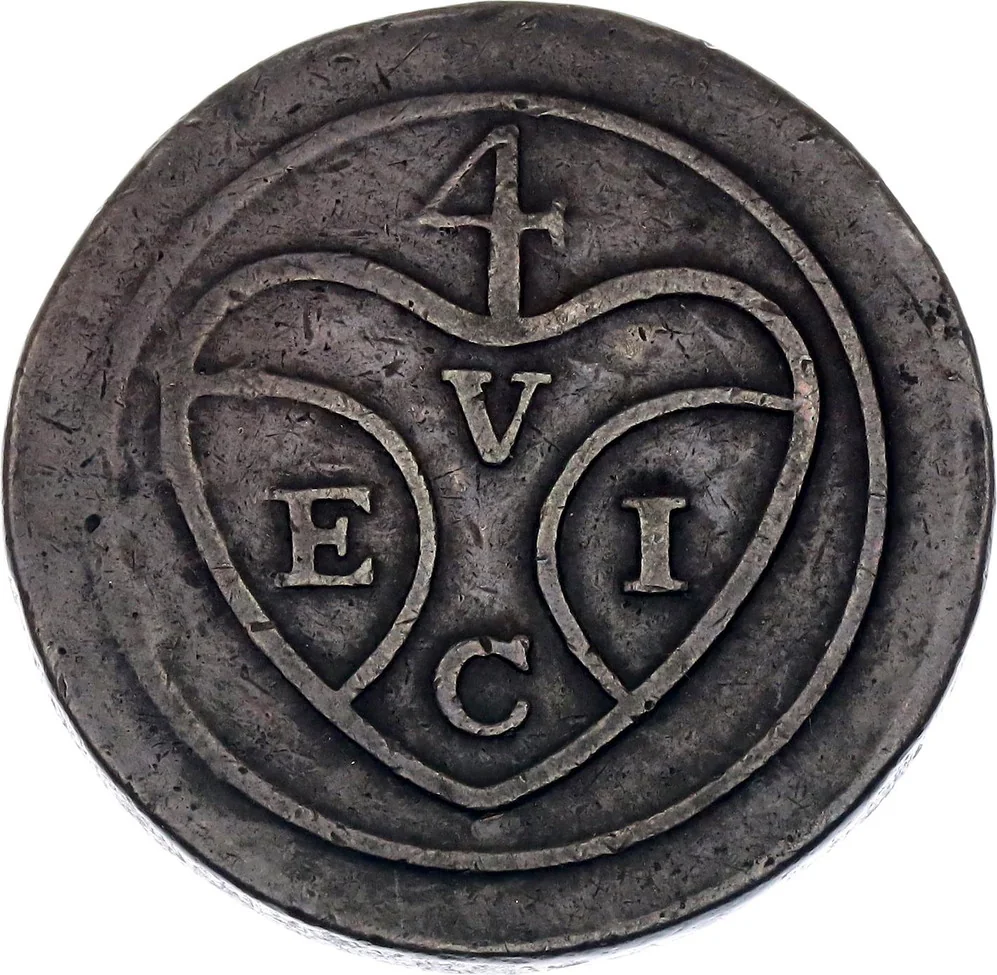
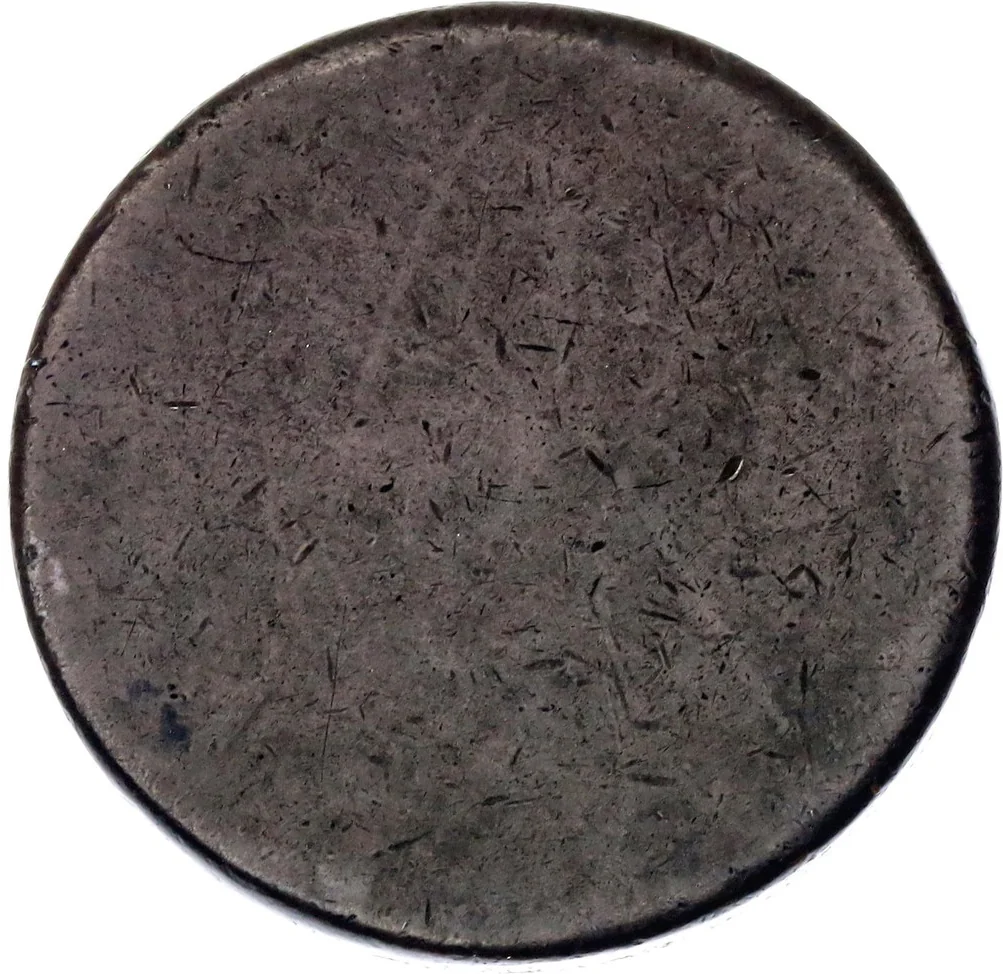
1 Cent – Penang
Obverse
Reverse
Description:
Simple.
Edge
Plain
Mints
| Name | Mark |
|---|---|
| Kolkata / Calcutta / Murshidabad | — |
Mintings
| Year | Mint Mark | Mintage | Quality | Collection |
|---|---|---|---|---|
| 1786 | — | — |
Historical background
In 1786, when Captain Francis Light established the British settlement of Penang (initially named Prince of Wales Island), he encountered a complex and fluid currency situation typical of the bustling trade networks of the Straits of Malacca. There was no single official currency. Instead, the island's economy operated on a multi-currency system dominated by the Spanish silver dollar, known locally as the "Pillar Dollar" or "Carolus Dollar." This coin was the preferred medium for large-scale trade and international transactions due to its consistent silver content and wide acceptance across Southeast Asia and beyond.
Alongside these silver dollars, a variety of other coins circulated freely, reflecting Penang's diverse merchant communities. These included Dutch guilders, Indian rupees, and Chinese copper cash coins (known as pitis), the latter used for smaller, everyday purchases. The value of these coins was not fixed by a central authority but was determined by their weight and fineness of metal, often leading to haggling and assay disputes. To facilitate smaller transactions, the Spanish dollar was often physically cut into fractional pieces, creating "bits" or "subdivisions," a practice that underscored the lack of standardized small change.
Recognising the chaotic monetary environment as a hindrance to stable commerce and administration, the East India Company administration quickly took steps to impose order. As early as 1787, they attempted to standardise rates, fixing the Spanish dollar at a value of 4 shillings 8 pence sterling and regulating the exchange rates for other subsidiary coins. This marked the beginning of a formal currency system, aiming to transition Penang from a bazaar of competing metallic currencies to a colonial economy integrated into the British imperial trading sphere, though the older coins would continue to circulate for decades.
Alongside these silver dollars, a variety of other coins circulated freely, reflecting Penang's diverse merchant communities. These included Dutch guilders, Indian rupees, and Chinese copper cash coins (known as pitis), the latter used for smaller, everyday purchases. The value of these coins was not fixed by a central authority but was determined by their weight and fineness of metal, often leading to haggling and assay disputes. To facilitate smaller transactions, the Spanish dollar was often physically cut into fractional pieces, creating "bits" or "subdivisions," a practice that underscored the lack of standardized small change.
Recognising the chaotic monetary environment as a hindrance to stable commerce and administration, the East India Company administration quickly took steps to impose order. As early as 1787, they attempted to standardise rates, fixing the Spanish dollar at a value of 4 shillings 8 pence sterling and regulating the exchange rates for other subsidiary coins. This marked the beginning of a formal currency system, aiming to transition Penang from a bazaar of competing metallic currencies to a colonial economy integrated into the British imperial trading sphere, though the older coins would continue to circulate for decades.
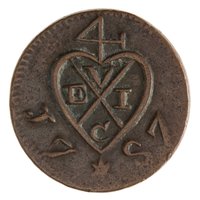
✨ Legendary