

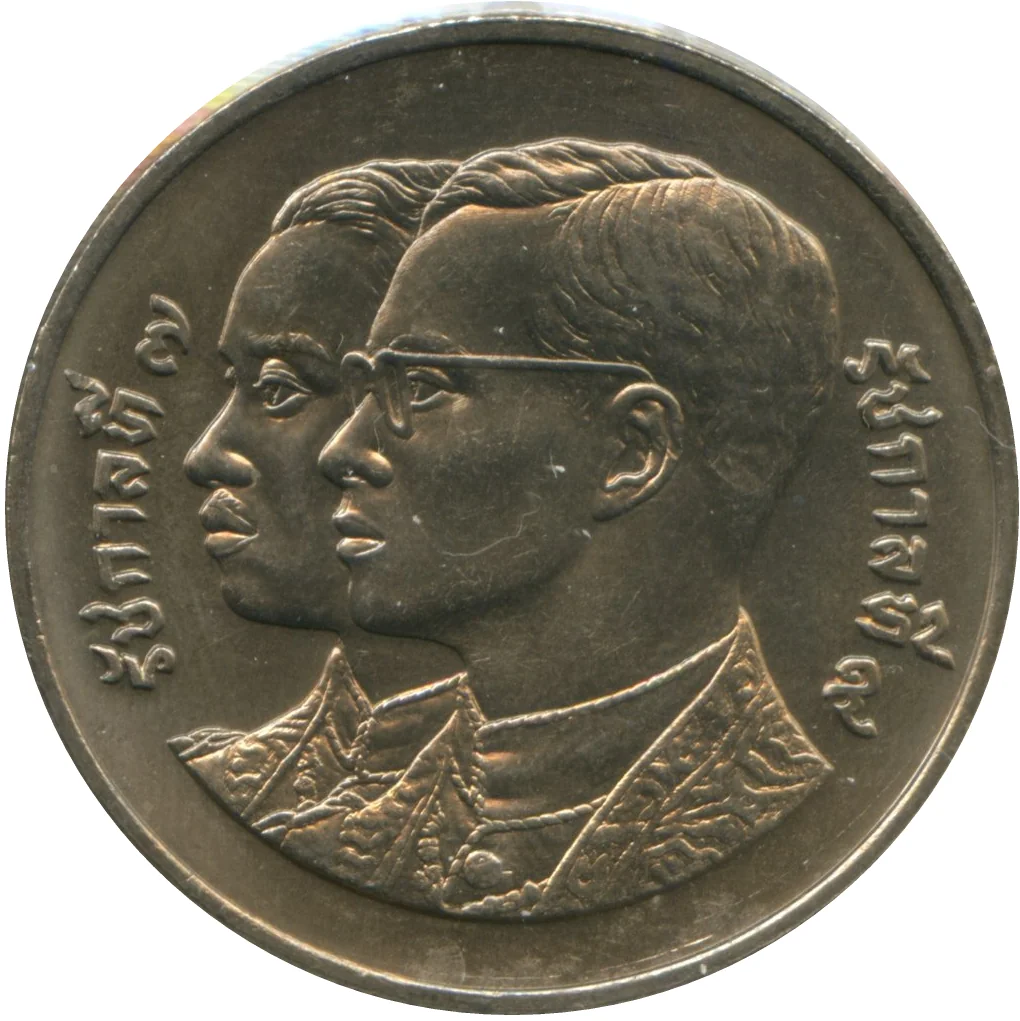
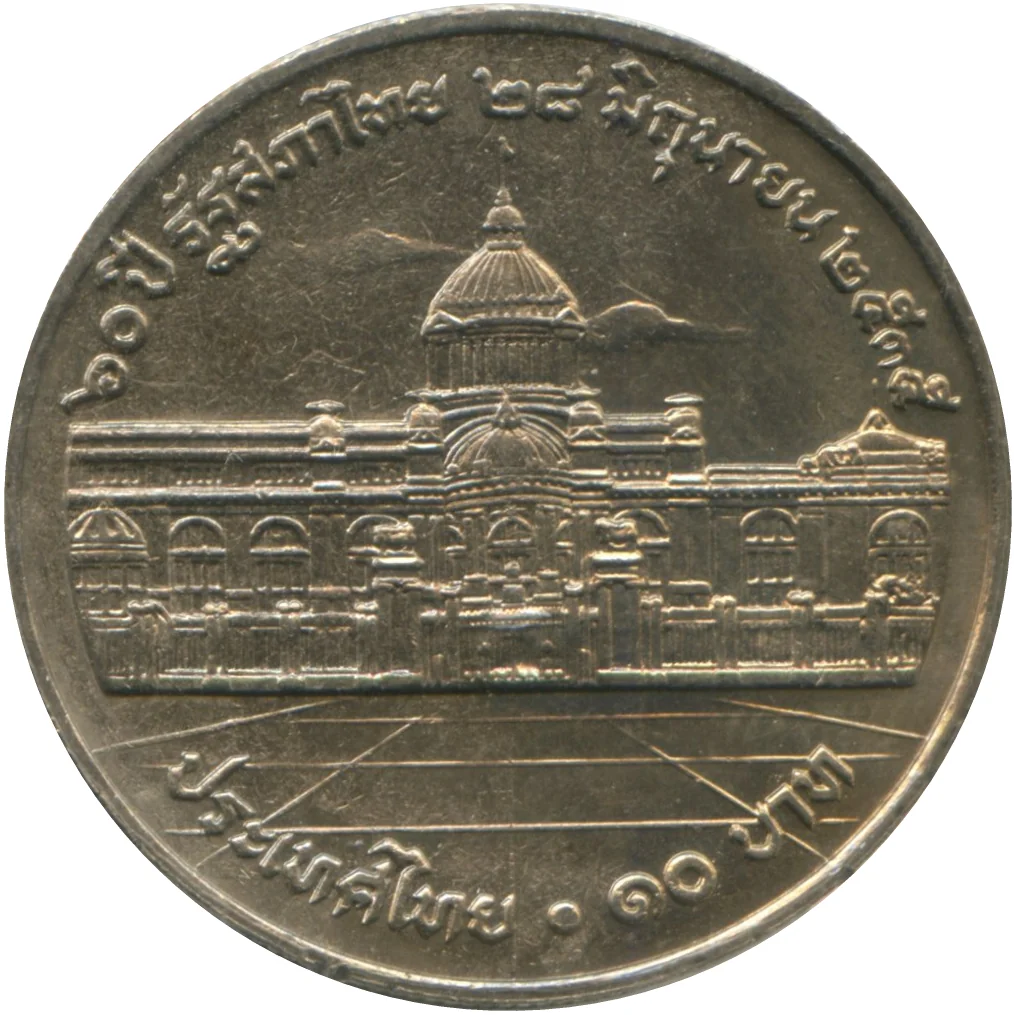
10 Bahts (National Assembly) – Thailand
Non-circulating coins
Commemoration: 60th Anniversary of the National Assembly
Thailand
Context
Year: 1992
Thai Year: 2535
Issuer: Thailand 
Ruler: Bhumibol Adulyadej
Currency:
(since 1897)
Demonetized: Yes
Total mintage: 600,000
Material
Diameter: 32 mm
Weight: 15 g
Shape: Round
Composition: Copper-nickel
Technique: Milled
Alignment: Medal alignment
flip
References
Y: #Click to copy to clipboard269
Numista: #12297
Value
Exchange value: 10 THB = $0.32
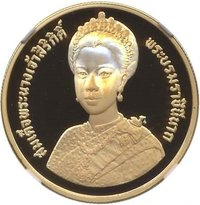
Obverse
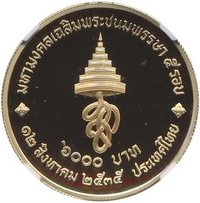
Reverse
Edge
Reeded
Categories
| Building> Governmental building |
Mintings
| Year | Mint Mark | Mintage | Quality | Collection |
|---|---|---|---|---|
| 1992 | — | 600,000 |
Historical background
In 1992, Thailand's currency situation was defined by stability and control under the "Bangkok International Banking Facility" (BIBF) scheme, launched that year. The government, led by Prime Minister Anand Panyarachun, aimed to transform Bangkok into a regional financial hub by liberalizing offshore banking. While the Thai baht remained pegged to a managed basket of currencies (heavily weighted toward the U.S. dollar), the BIBF encouraged a surge in foreign capital inflows, primarily in the form of low-interest U.S. dollar loans to Thai businesses and banks.
This environment created a paradox of stability masking growing risk. The fixed exchange rate, set at approximately 25 baht to the U.S. dollar, provided predictability for trade and investment. However, it also encouraged excessive foreign borrowing by insulating Thai firms from currency risk. Capital flooded into the booming stock market and property sector, sowing the seeds for asset price bubbles. The financial system was not yet robust enough to manage the volume of short-term external debt being accumulated through the new offshore facilities.
Thus, 1992 represented a critical turning point, not of crisis, but of incubation. The policies enacted that year successfully attracted foreign capital but did so without the corresponding regulatory frameworks or floating exchange rate needed to mitigate risk. This set the stage for the vulnerabilities that would be brutally exposed five years later during the 1997 Asian Financial Crisis, when the pressure from massive unhedged foreign debt ultimately forced the abandonment of the baht peg.
This environment created a paradox of stability masking growing risk. The fixed exchange rate, set at approximately 25 baht to the U.S. dollar, provided predictability for trade and investment. However, it also encouraged excessive foreign borrowing by insulating Thai firms from currency risk. Capital flooded into the booming stock market and property sector, sowing the seeds for asset price bubbles. The financial system was not yet robust enough to manage the volume of short-term external debt being accumulated through the new offshore facilities.
Thus, 1992 represented a critical turning point, not of crisis, but of incubation. The policies enacted that year successfully attracted foreign capital but did so without the corresponding regulatory frameworks or floating exchange rate needed to mitigate risk. This set the stage for the vulnerabilities that would be brutally exposed five years later during the 1997 Asian Financial Crisis, when the pressure from massive unhedged foreign debt ultimately forced the abandonment of the baht peg.

🌟 Uncommon