

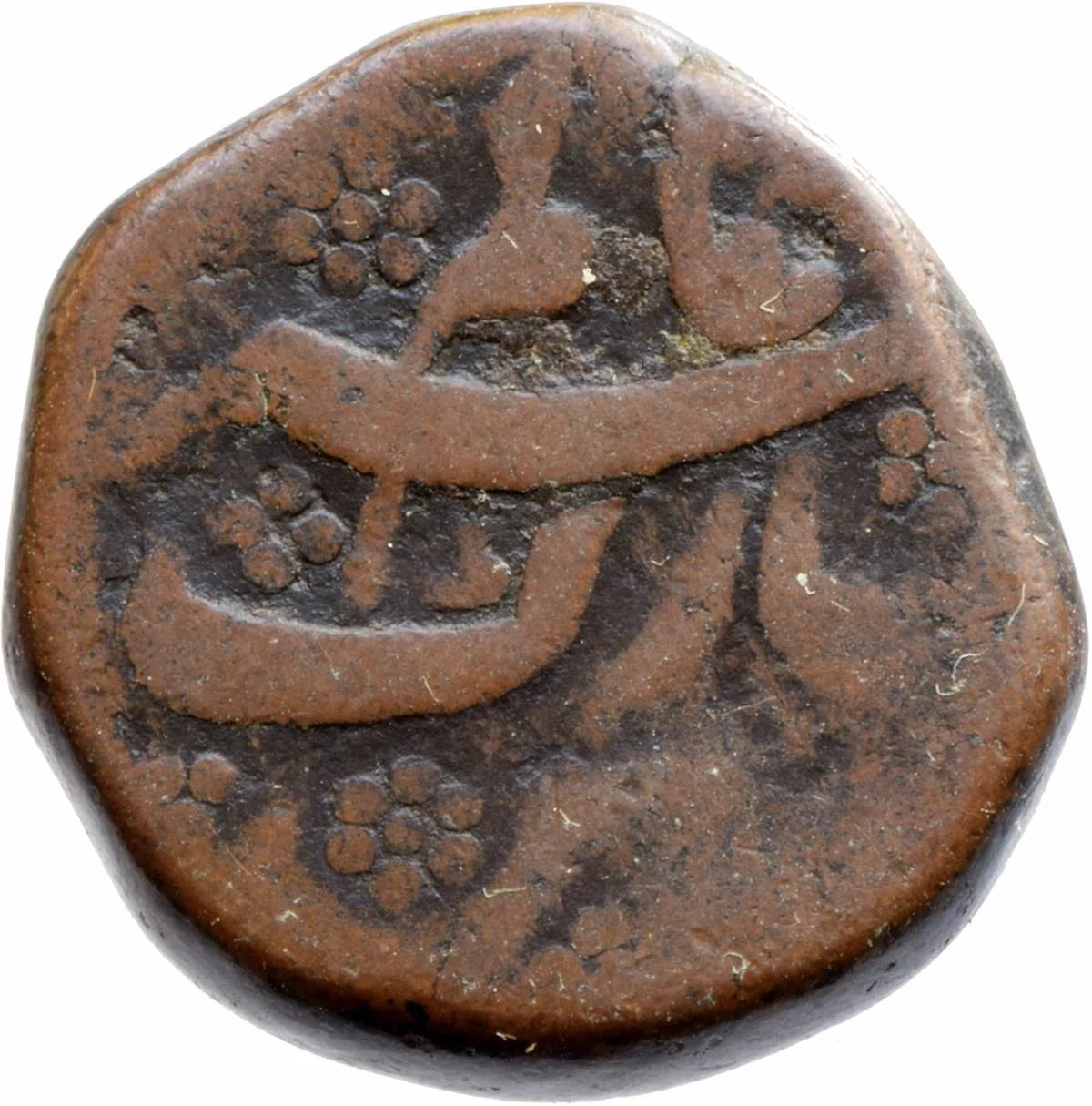
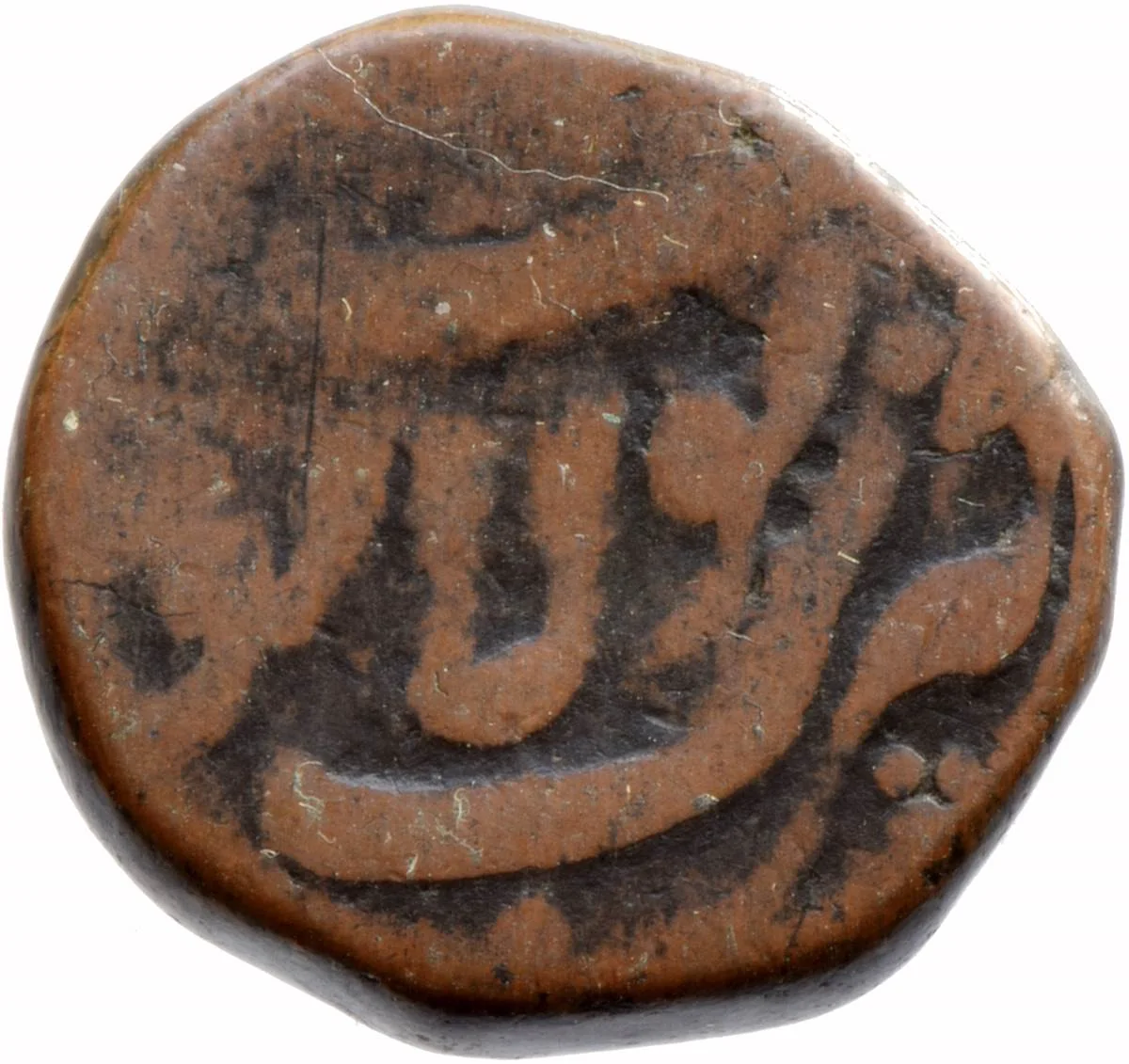
1 Falus – Mughal Empire
India

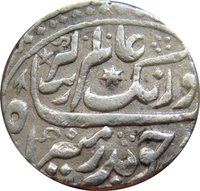
Obverse
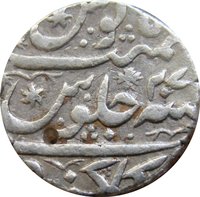
Reverse
Edge
Plain
Mintings
| Year | Mint Mark | Mintage | Quality | Collection |
|---|---|---|---|---|
| — | — | — | ||
| — | 30 | — | ||
| — | 32 | — | ||
| — | 34 | — | ||
| — | 4 | — |
Historical background
The year 1068 AH (Anno Hegirae) corresponds to approximately 1657-1658 CE in the Gregorian calendar, a period marking the final year of Emperor Shah Jahan's reign and the beginning of a brutal war of succession among his sons. The Mughal currency system at this time was highly sophisticated and standardized, built upon the reforms of Emperor Akbar a century earlier. The empire operated on a trimetallic system based on the rupee (rupya), a high-purity silver coin, the gold mohur, and copper dams. The rupee, containing approximately 11.5 grams of nearly pure silver, was the primary unit for revenue assessment, large trade, and state treasuries, while copper dams served as the common currency for everyday market transactions.
The currency situation in 1068 AH was directly impacted by the political crisis. As Shah Jahan fell seriously ill, his sons—Dara Shikoh, Shah Shuja, Aurangzeb, and Murad Baksh—began mobilizing armies and securing treasuries in their respective provinces. This led to a sudden, competitive demand for specie to pay soldiers and fund military campaigns, potentially causing localized liquidity shortages and disrupting the normal flow of currency. Furthermore, the war disrupted trade routes and the agricultural revenue cycle, which were the lifeblood of the silver inflow that sustained the minting of rupees. Despite this turmoil, the integrity of the coinage itself remained intact, as the imperial mints continued to produce coins to the established weight and fineness standards, a testament to the system's resilience.
Looking beyond the immediate succession conflict, the Mughal monetary economy of this era was fundamentally sound but faced underlying challenges. The empire's vast silver coinage relied heavily on imported bullion, primarily from the New World via European trade, making it vulnerable to global supply fluctuations. The impending victory of Aurangzeb in 1069 AH would usher in a long reign where the strain of continuous military expansion in the Deccan would later exert fiscal pressure on the currency system. However, in 1068 AH, the immediate "currency situation" was one of a robust system being stress-tested by a sudden, internal political convulsion rather than a collapse or debasement of the coinage itself.
The currency situation in 1068 AH was directly impacted by the political crisis. As Shah Jahan fell seriously ill, his sons—Dara Shikoh, Shah Shuja, Aurangzeb, and Murad Baksh—began mobilizing armies and securing treasuries in their respective provinces. This led to a sudden, competitive demand for specie to pay soldiers and fund military campaigns, potentially causing localized liquidity shortages and disrupting the normal flow of currency. Furthermore, the war disrupted trade routes and the agricultural revenue cycle, which were the lifeblood of the silver inflow that sustained the minting of rupees. Despite this turmoil, the integrity of the coinage itself remained intact, as the imperial mints continued to produce coins to the established weight and fineness standards, a testament to the system's resilience.
Looking beyond the immediate succession conflict, the Mughal monetary economy of this era was fundamentally sound but faced underlying challenges. The empire's vast silver coinage relied heavily on imported bullion, primarily from the New World via European trade, making it vulnerable to global supply fluctuations. The impending victory of Aurangzeb in 1069 AH would usher in a long reign where the strain of continuous military expansion in the Deccan would later exert fiscal pressure on the currency system. However, in 1068 AH, the immediate "currency situation" was one of a robust system being stress-tested by a sudden, internal political convulsion rather than a collapse or debasement of the coinage itself.
✨ Legendary