

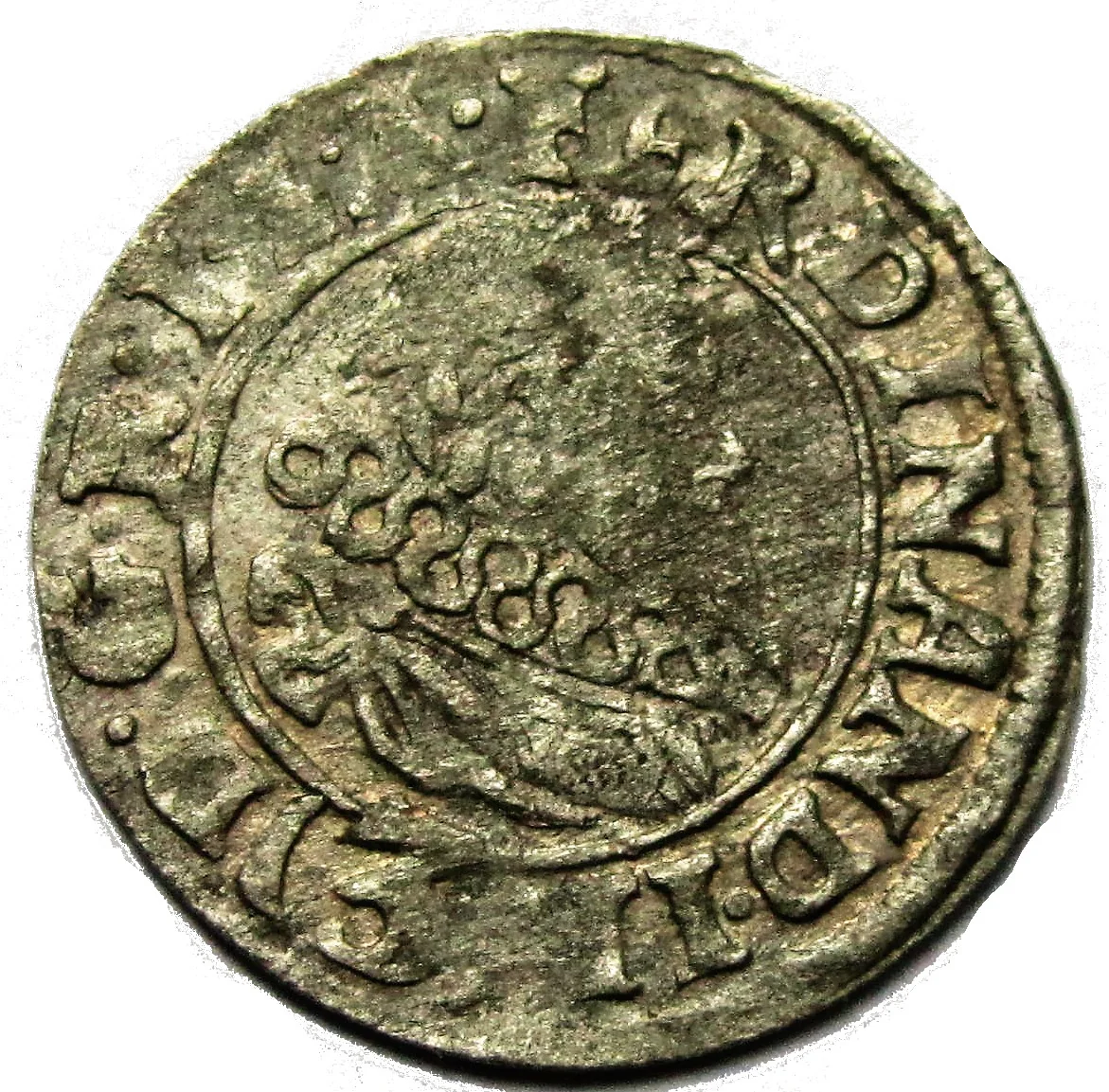
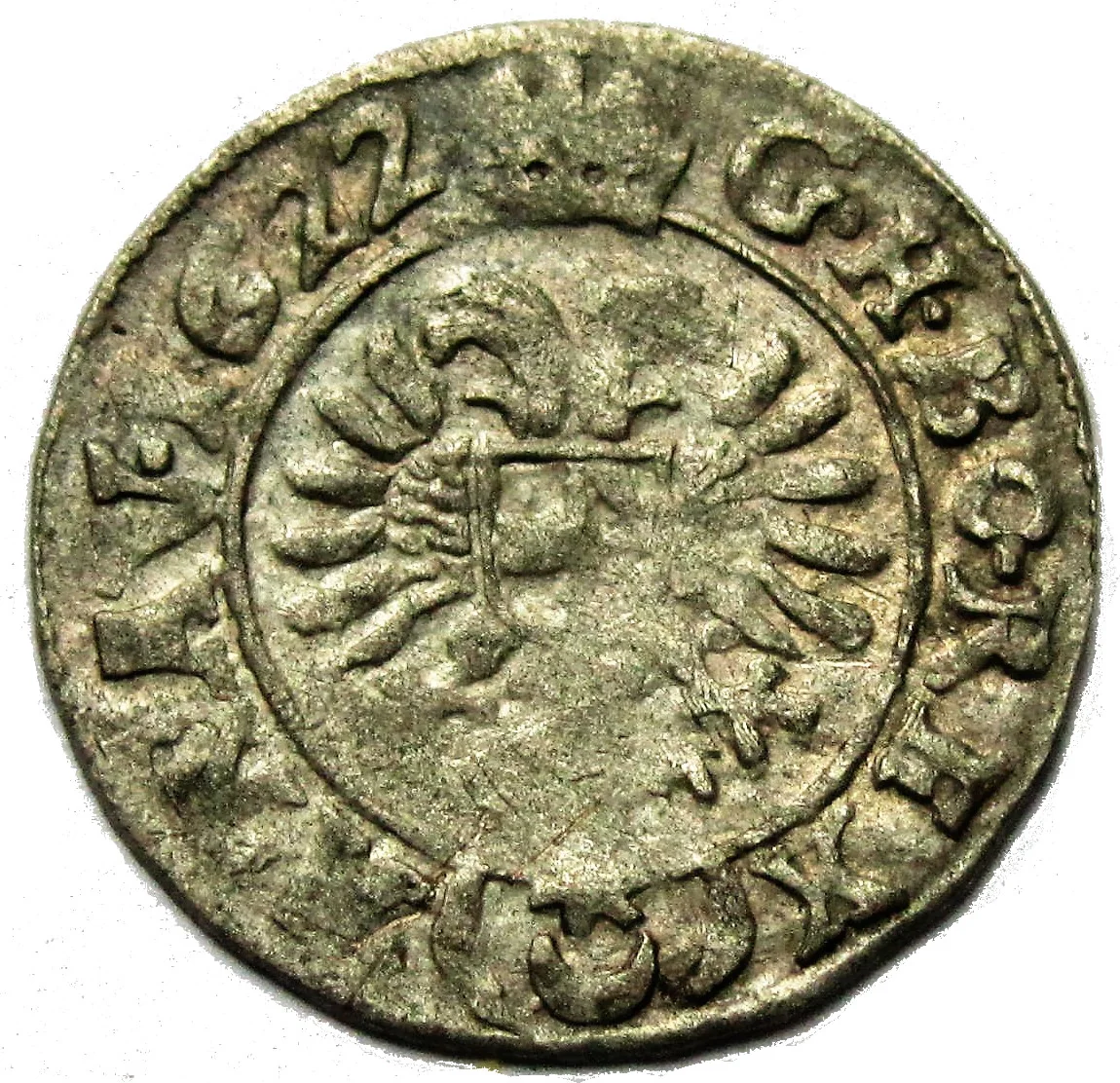
3 Kreuzers – Kingdom of Bohemia
Context
Years: 1622–1623
Country: Bohemia
Issuer: Kingdom of Bohemia
Ruler: Ferdinand II
Currency:
(1520—1754)
Demonetized: Yes
Material
References
KM: #Click to copy to clipboard324
Numista: #185654
Value
Bullion value: $2.51
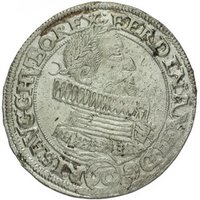
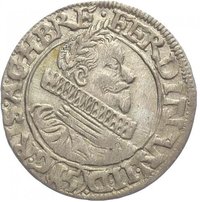
Obverse
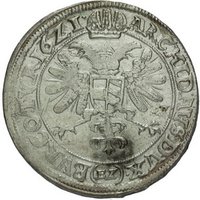
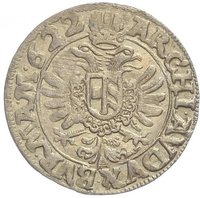
Reverse
Edge
Plain
Mints
| Name | Mark |
|---|---|
| Prague | — |
Mintings
| Year | Mint Mark | Mintage | Quality | Collection |
|---|---|---|---|---|
| 1622 | — | — | ||
| 1623 | — | — |
Historical background
In 1622, the Kingdom of Bohemia was in a state of profound financial and political crisis following the defeat of the Protestant estates at the Battle of White Mountain in 1620. The victorious Habsburg Emperor Ferdinand II moved swiftly to consolidate power, confiscating the lands of the rebellious Bohemian nobility and initiating a sweeping re-Catholicization. This upheaval created a power vacuum and severe economic instability, setting the stage for a deliberate and catastrophic monetary manipulation. The imperial authorities, needing vast sums to pay the armies of the Catholic League and fund the ongoing Thirty Years' War, saw Bohemia's currency as a tool for rapid extraction of wealth.
The situation culminated in the infamous "Kipper und Wipper" period, a scheme orchestrated by a consortium led by Jacob Bassevi, Karl von Liechtenstein, and Albrecht von Wallenstein. This group obtained the exclusive right to mint coinage from the imperial treasury. They systematically debased the silver groschen, the primary circulating coin, by drastically reducing its silver content and massively increasing the quantity in circulation. While the face value remained the same, the intrinsic value plummeted, allowing the consortium and the crown to profit enormously by using the bad coin to purchase goods, settle debts, and pay soldiers, effectively transferring real wealth from the populace to the war effort.
The consequences were devastating hyperinflation and a collapse of public trust. Prices for basic necessities soared as people hoarded older, purer coins, and the new debased currency flooded the market. Savings were wiped out, trade was severely disrupted, and widespread impoverishment followed. This episode stands as a stark example of early modern fiscal tyranny, where currency was weaponized by a conquering power to subjugate a rebellious territory and finance conflict, leaving the Bohemian economy in ruins for years to come.
The situation culminated in the infamous "Kipper und Wipper" period, a scheme orchestrated by a consortium led by Jacob Bassevi, Karl von Liechtenstein, and Albrecht von Wallenstein. This group obtained the exclusive right to mint coinage from the imperial treasury. They systematically debased the silver groschen, the primary circulating coin, by drastically reducing its silver content and massively increasing the quantity in circulation. While the face value remained the same, the intrinsic value plummeted, allowing the consortium and the crown to profit enormously by using the bad coin to purchase goods, settle debts, and pay soldiers, effectively transferring real wealth from the populace to the war effort.
The consequences were devastating hyperinflation and a collapse of public trust. Prices for basic necessities soared as people hoarded older, purer coins, and the new debased currency flooded the market. Savings were wiped out, trade was severely disrupted, and widespread impoverishment followed. This episode stands as a stark example of early modern fiscal tyranny, where currency was weaponized by a conquering power to subjugate a rebellious territory and finance conflict, leaving the Bohemian economy in ruins for years to come.
✨ Legendary