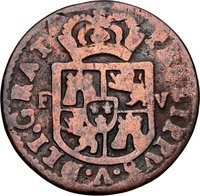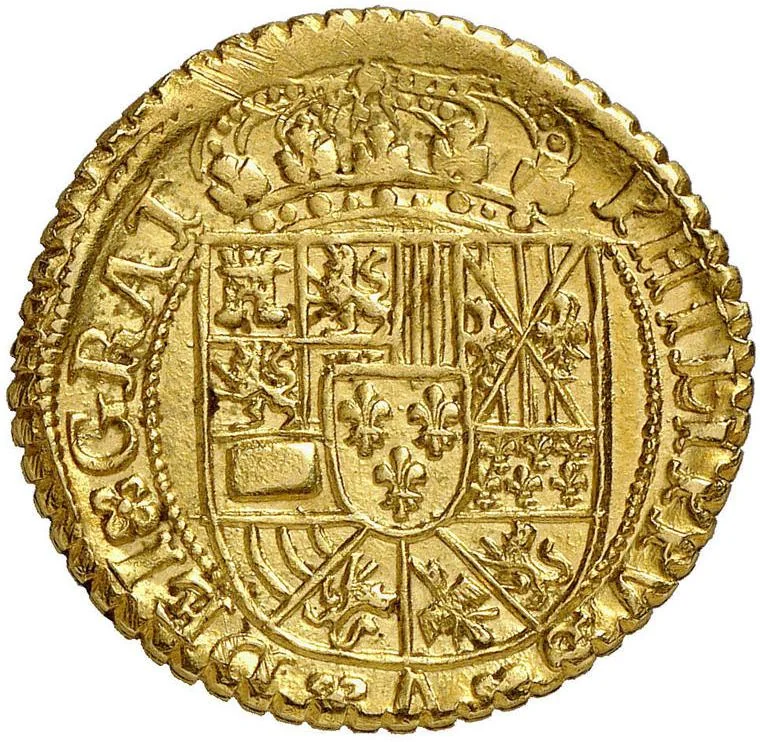
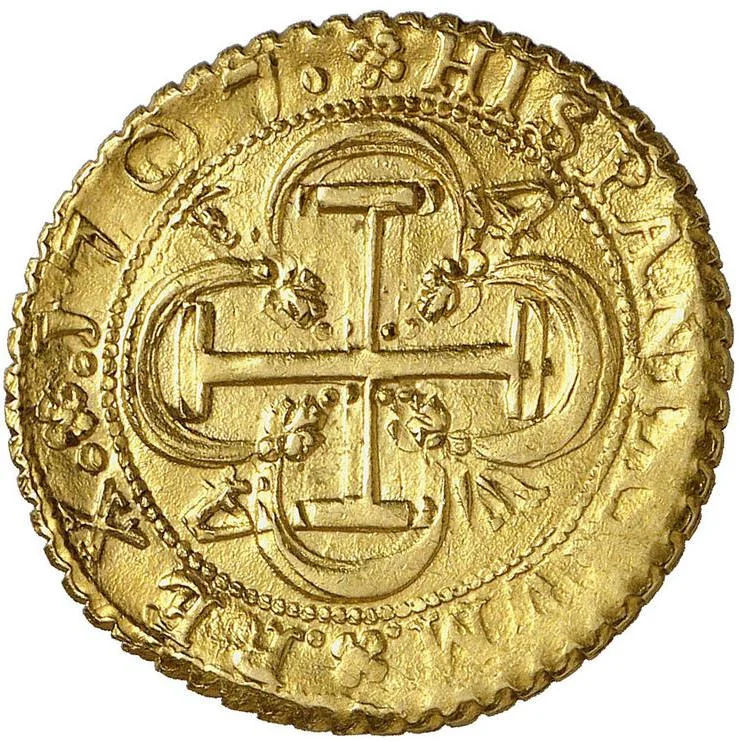
Following the War of Spanish Succession and the subsequent Nueva Planta decrees of 1707, the Kingdom of Valencia found its monetary system in a state of profound disruption and forced integration. Prior to this, Valencia operated under the distinct laws and institutions of the Crown of Aragon, minting its own currency, most notably the
real valenciano. This local coinage was integral to regional commerce and symbolized the kingdom’s autonomous fiscal authority.
The victorious Bourbon king, Philip V, systematically dismantined these structures as punishment for Valencia’s support of his Habsburg rival. The Nueva Planta decrees abolished Valencia’s separate legal code, institutions, and minting rights, forcibly subsuming its economy into a centralized Castilian system. This meant the immediate cessation of Valencian coinage and the imposition of the
Castilian real as the sole legal tender. The transition was not merely administrative but also economic warfare, designed to break regional power and finance the crown's debts, leading to a sudden devaluation of existing Valencian currency held by the populace.
Consequently, the year 1707 marked a sharp monetary rupture. Merchants and landowners faced confusion and loss as old coins were demonetized or exchanged at unfavorable rates, while the new Castilian currency often remained in short supply, stifling trade. This currency upheaval was a direct and tangible manifestation of Valencia’s lost sovereignty, transforming its economy from one of autonomous minting and credit into a peripheral province governed by the fiscal demands of Madrid, with lasting consequences for its economic vitality.