

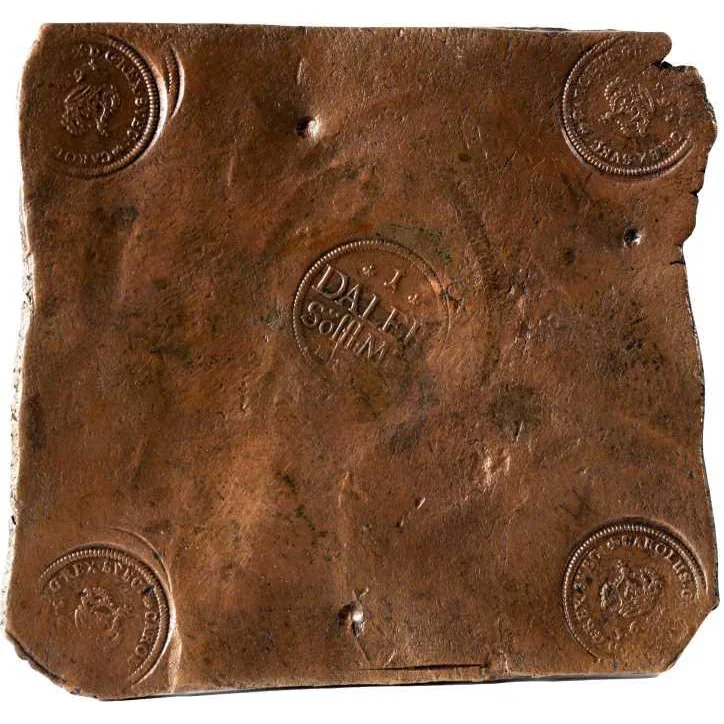
1 Daler SM – Sweden
Sweden

Obverse
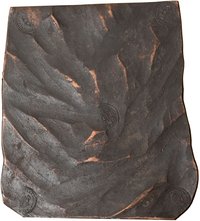
Description:
Five stamps on field.
Inscription:
Center stamp:
*1*
DALER
Sölff:Mnt
Corner stamp:
CAROLUS·GUSTAVUS·X·D:G:REX·SVECO:
1656.
*1*
DALER
Sölff:Mnt
Corner stamp:
CAROLUS·GUSTAVUS·X·D:G:REX·SVECO:
1656.
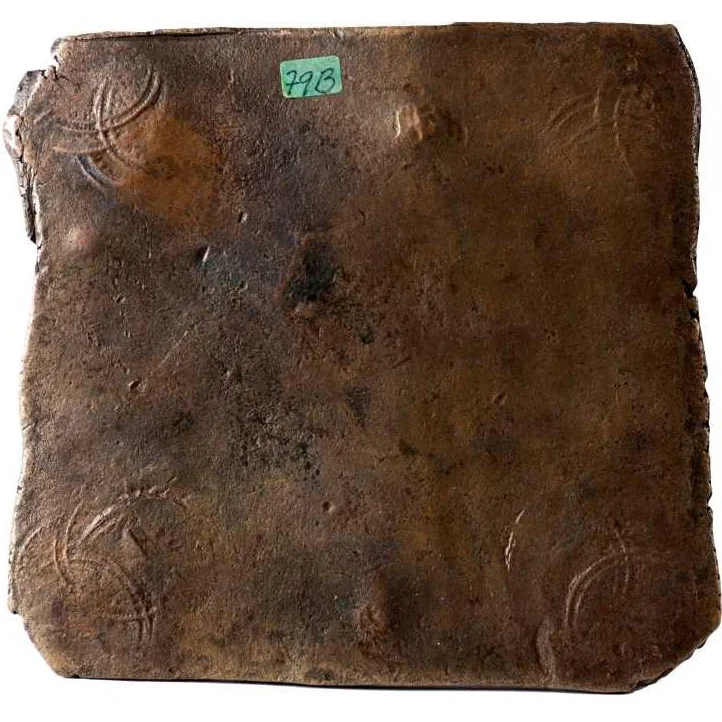
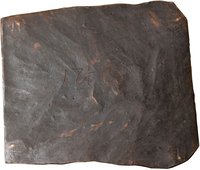
Reverse
Edge
Mints
| Name | Mark |
|---|---|
| Avesta | — |
Mintings
| Year | Mint Mark | Mintage | Quality | Collection |
|---|---|---|---|---|
| 1655 | — | — | ||
| 1656 | — | — | ||
| 1657 | — | — | ||
| 1658 | — | — | ||
| 1659 | — | — | ||
| 1660 | — | — |
Historical background
In 1655, Sweden was in the midst of the "Era of Great Power" (Stormaktstiden), a period of territorial expansion and military ambition under King Karl X Gustav. This aggressive foreign policy, particularly the ongoing war against Poland-Lithuania (the Second Northern War, 1655–1660), placed an immense strain on the state's finances. To fund its armies and military campaigns, the crown resorted to heavy taxation, borrowing, and, most consequentially for the currency, the systematic debasement of the coinage. The government repeatedly reduced the silver content in coins like the daler, creating a discrepancy between their face value and their intrinsic metal worth.
This monetary manipulation led to severe economic instability and a classic case of Gresham's Law, where "bad money drives out good." Older, higher-silver coins were hoarded, melted down, or exported, while the new, inferior coins flooded the domestic market, causing inflation and a loss of public trust in the currency. The situation was further complicated by the widespread use of multiple coin types in circulation, including not only Swedish copper daler (notably the large, cumbersome copper plates) and silver daler, but also foreign currencies from trade partners across the Baltic region.
Consequently, the year 1655 represents a point of significant monetary stress within a longer crisis. The crown's short-term fiscal strategy undermined the very foundation of the economy, creating inflationary pressures and hampering trade. This precarious financial backdrop was a direct cost of Sweden's military pursuits, and the currency instability would persist and necessitate major reforms later in the century, most notably under the regency government following Karl X Gustav's death in 1660.
This monetary manipulation led to severe economic instability and a classic case of Gresham's Law, where "bad money drives out good." Older, higher-silver coins were hoarded, melted down, or exported, while the new, inferior coins flooded the domestic market, causing inflation and a loss of public trust in the currency. The situation was further complicated by the widespread use of multiple coin types in circulation, including not only Swedish copper daler (notably the large, cumbersome copper plates) and silver daler, but also foreign currencies from trade partners across the Baltic region.
Consequently, the year 1655 represents a point of significant monetary stress within a longer crisis. The crown's short-term fiscal strategy undermined the very foundation of the economy, creating inflationary pressures and hampering trade. This precarious financial backdrop was a direct cost of Sweden's military pursuits, and the currency instability would persist and necessitate major reforms later in the century, most notably under the regency government following Karl X Gustav's death in 1660.
✨ Legendary