

20 Pence – Scotland
United Kingdom
Context
Year: 1636
Country: United Kingdom 
Issuer: Scotland 
Ruler: Charles I
Currency:
(1136—1707)
Demonetized: Yes
Material
Diameter: 16 mm
Weight: 0.84 g
Silver weight: 0.84 g
Shape: Irregular round
Composition: Silver
Magnetic: No
Technique: Hammered
References
KM: #Click to copy to clipboard74
Numista: #17994
Value
Bullion value: $2.44
Obverse
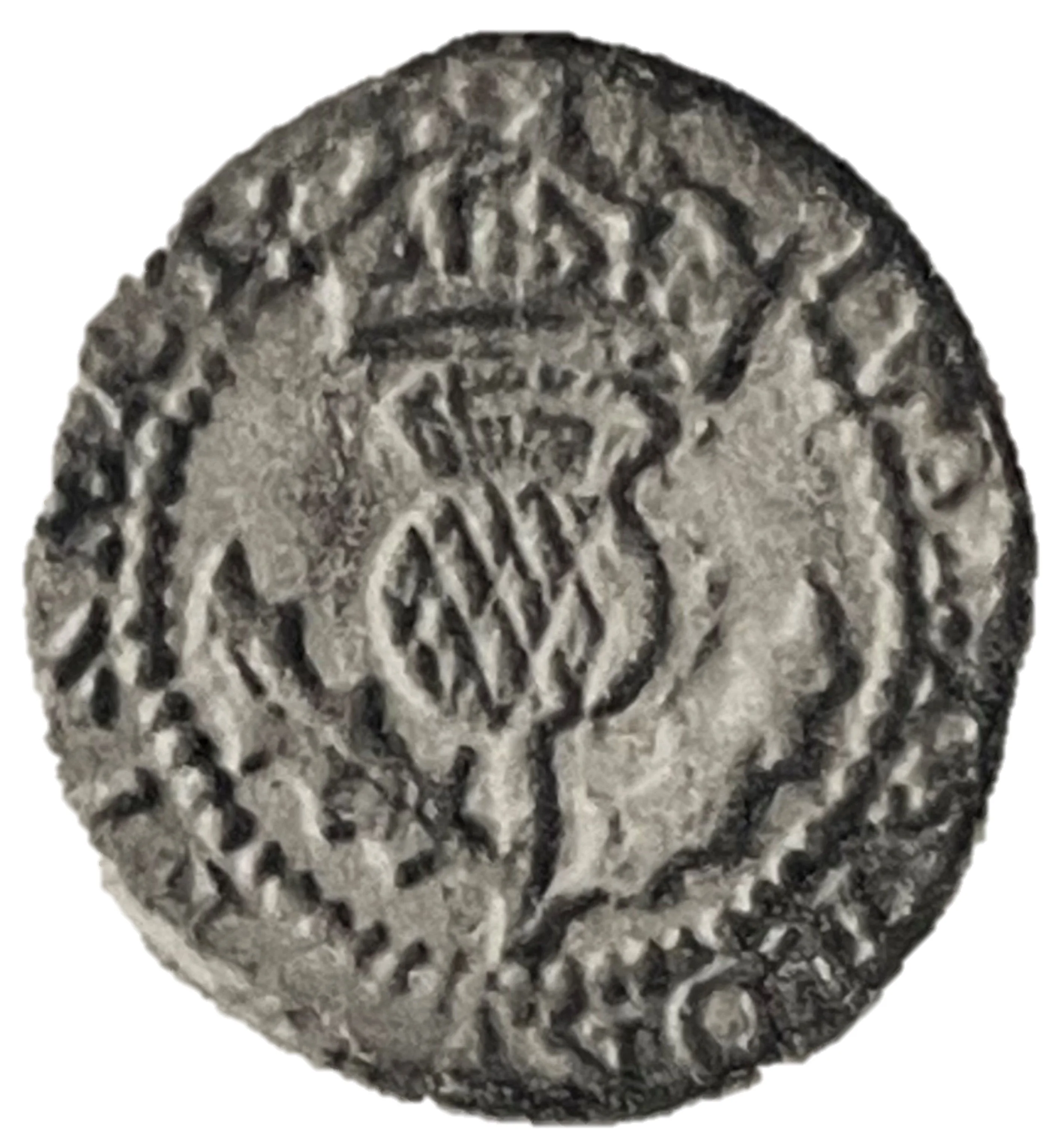
Description:
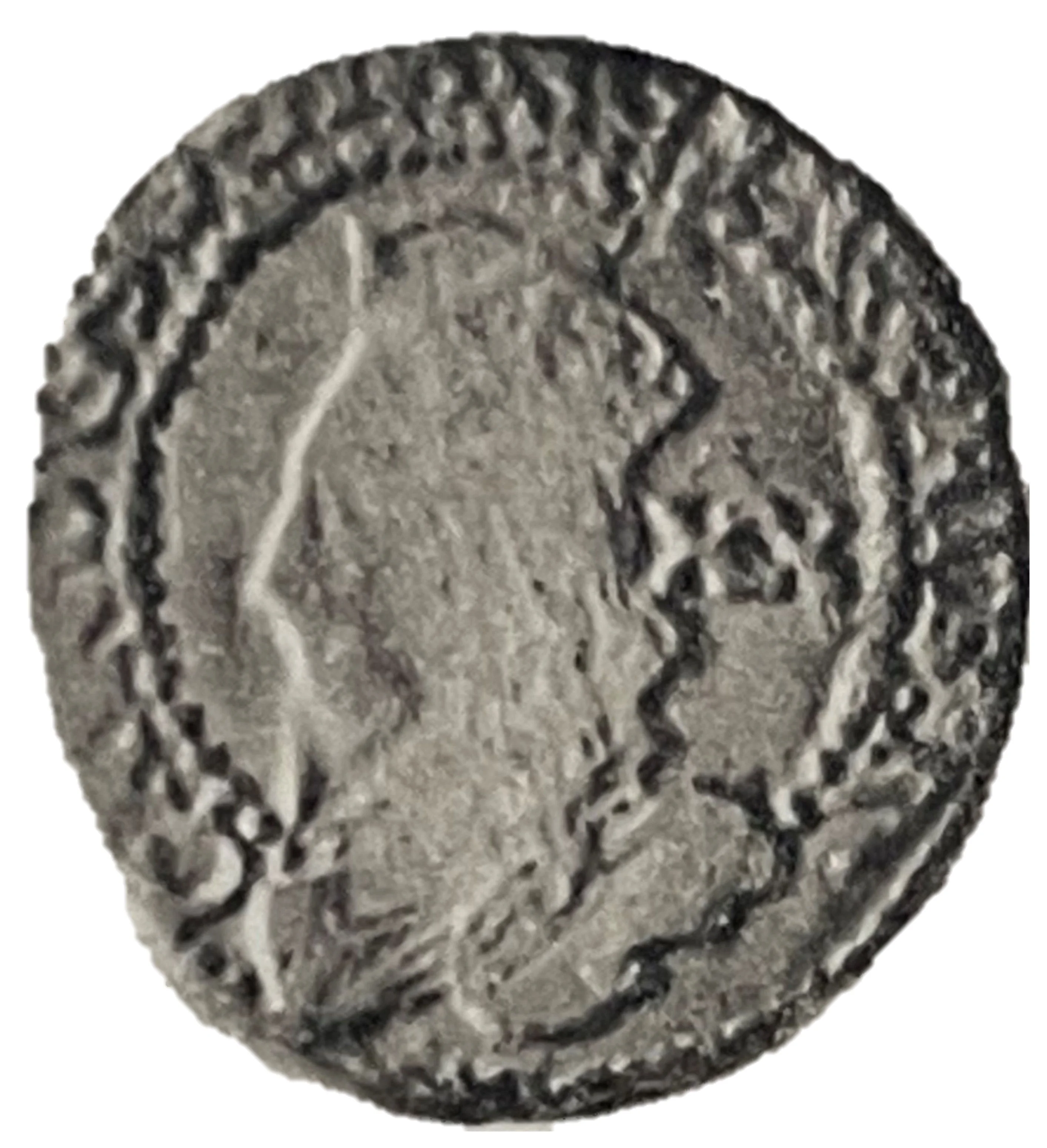
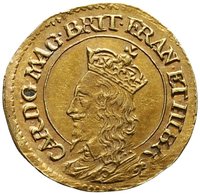
Bust of Charles I left, value mark XX right.
Inscription:
CAR : D · G · SCOT : ANG : FR : & · HIB : R ·
Script: Latin
Reverse
Edge
Plain
Mints
| Name | Mark |
|---|---|
| Edinburgh | — |
Mintings
| Year | Mint Mark | Mintage | Quality | Collection |
|---|---|---|---|---|
| 1636 | — | — |
Historical background
In 1636, Scotland operated under a distinct monetary system within the framework of the regal union with England, sharing a monarch (Charles I) but maintaining separate parliaments, laws, and coinage. The official currency was the Scottish pound (£ Scots), which had existed for centuries and was valued at a fixed exchange rate of 12:1 against the stronger English pound sterling. While coins like merks, marks, and pounds were units of account, the physical currency in circulation was a complex mixture of domestic Scottish coinage, a substantial volume of underweight and debased older Scottish coins, and a significant influx of foreign specie, particularly Spanish silver reales and Dutch rijksdaalders from European trade.
This period was one of significant monetary instability and scarcity. The Scottish coinage itself was of notably lower silver content than its English counterpart, and years of economic hardship, including poor harvests, had led to hoarding and a critical shortage of reliable specie for everyday transactions. The situation was exacerbated by the crown's financial policies; Charles I's attempts to extend English ecclesiastical reforms to Scotland (which would soon spark the Bishops' Wars) created political tension, while his general need for revenue placed strain on the economic system. Trade imbalances further drained coin from the country.
Consequently, the monetary environment was fragile and inefficient. The coexistence of multiple coin types at varying intrinsic values complicated commerce and fostered distrust. The scarcity of good coin led to increased use of credit among merchants and hardship for the common people. This unstable currency background formed part of the wider economic and political grievances that would shortly contribute to the profound constitutional and religious conflicts of the Covenanter movement against the Crown.
This period was one of significant monetary instability and scarcity. The Scottish coinage itself was of notably lower silver content than its English counterpart, and years of economic hardship, including poor harvests, had led to hoarding and a critical shortage of reliable specie for everyday transactions. The situation was exacerbated by the crown's financial policies; Charles I's attempts to extend English ecclesiastical reforms to Scotland (which would soon spark the Bishops' Wars) created political tension, while his general need for revenue placed strain on the economic system. Trade imbalances further drained coin from the country.
Consequently, the monetary environment was fragile and inefficient. The coexistence of multiple coin types at varying intrinsic values complicated commerce and fostered distrust. The scarcity of good coin led to increased use of credit among merchants and hardship for the common people. This unstable currency background formed part of the wider economic and political grievances that would shortly contribute to the profound constitutional and religious conflicts of the Covenanter movement against the Crown.
💎 Extremely Rare