

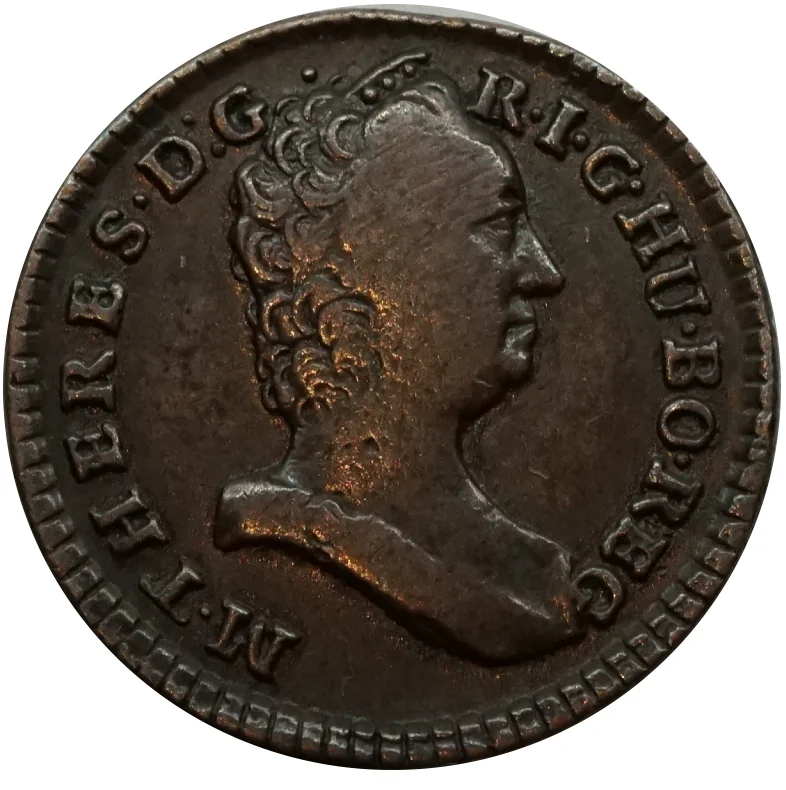
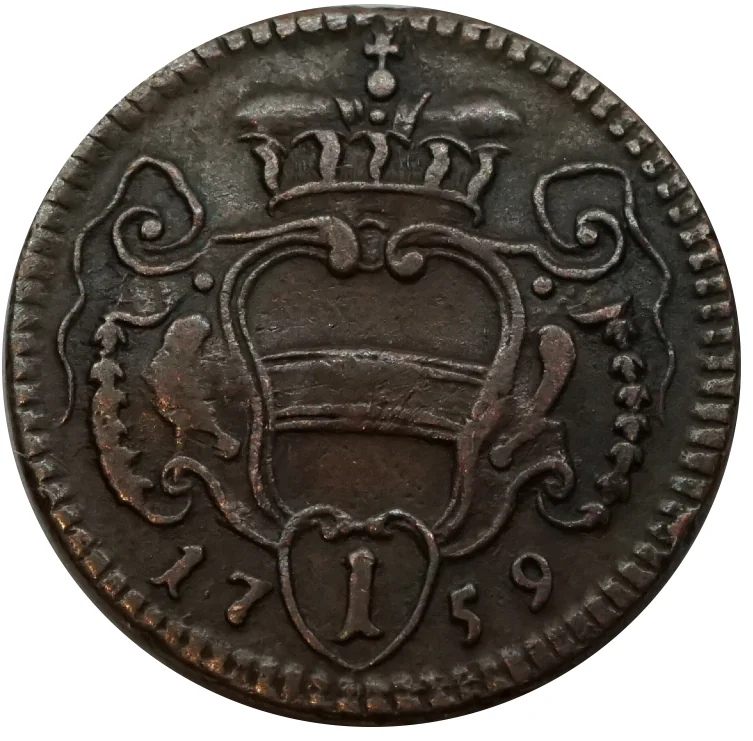
1 Pfennig – Austrian Empire
Austria
Context
Years: 1759–1765
Country: Austria 
Issuer: Austrian Empire
Ruler: Maria Theresa
Currency:
(1754—1857)
Demonetized: Yes
Material
References
KM: #Click to copy to clipboard1979
Numista: #17463
Obverse
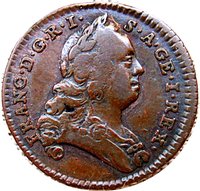
Description:
Young right-facing bust of Maria Theresia. Legend: "Dei Gratiae Romanorum Imperatrix Germaniae Hungariae Bohemiae Regina".
Inscription:
M THERES D G // R I G HU BO REG
Script: Latin
Reverse
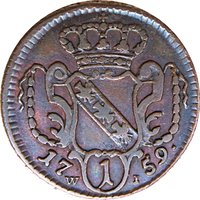
Description:
Crowned arms of the Babenberg dukes, later Habsburg, with divided date below.
Inscription:
1
1759
1759
Script: Latin
Edge
Plain
Mintings
| Year | Mint Mark | Mintage | Quality | Collection |
|---|---|---|---|---|
| 1759 | — | — | ||
| 1760 | — | — | ||
| 1764 | — | — | ||
| 1765 | — | — |
Historical background
In 1759, the Austrian Empire was embroiled in the costly Seven Years' War (1756-1763), a global conflict that placed immense strain on the Habsburg monarchy's finances. The need to fund large armies against Prussia and its allies led to a severe fiscal crisis. With traditional revenues and loans insufficient, the state resorted to the primary monetary tool of the era: debasement of the coinage. The Vienna Mint, under state directive, significantly reduced the silver content in the standard silver Conventionsthaler and its subsidiary coins, effectively creating more money from the same amount of bullion to pay for military expenses.
This deliberate inflation triggered a classic economic spiral. The new, inferior coins flooded the market, causing the population to hoard the older, higher-silver coins (Gresham's Law, "bad money drives out good"). This led to a sharp disparity between the official face value of the currency and its actual market value in trade, causing confusion and hampering commerce. Prices rose dramatically, particularly for supplies needed by the military, thereby undermining the very purpose of the debasement. The situation was exacerbated by regional fragmentation, as the Kingdom of Hungary maintained its own separate mint and somewhat more stable currency, creating internal exchange complexities.
Consequently, the monetary system of 1759 was one of profound instability and loss of public trust. The state's short-term fiscal maneuver eroded the foundation of the currency, leading to internal economic dislocation even as the war raged on external fronts. This crisis set the stage for future attempts at reform, most notably under Empress Maria Theresa, who would later seek to restore confidence through standardized coinage and the eventual establishment of the Austrian National Bank in 1816. The year 1759 thus represents a peak of wartime monetary desperation within the 18th-century Habsburg economy.
This deliberate inflation triggered a classic economic spiral. The new, inferior coins flooded the market, causing the population to hoard the older, higher-silver coins (Gresham's Law, "bad money drives out good"). This led to a sharp disparity between the official face value of the currency and its actual market value in trade, causing confusion and hampering commerce. Prices rose dramatically, particularly for supplies needed by the military, thereby undermining the very purpose of the debasement. The situation was exacerbated by regional fragmentation, as the Kingdom of Hungary maintained its own separate mint and somewhat more stable currency, creating internal exchange complexities.
Consequently, the monetary system of 1759 was one of profound instability and loss of public trust. The state's short-term fiscal maneuver eroded the foundation of the currency, leading to internal economic dislocation even as the war raged on external fronts. This crisis set the stage for future attempts at reform, most notably under Empress Maria Theresa, who would later seek to restore confidence through standardized coinage and the eventual establishment of the Austrian National Bank in 1816. The year 1759 thus represents a peak of wartime monetary desperation within the 18th-century Habsburg economy.
🌱 Fairly Common