

1 gold louis – France
Add to wishlist
France
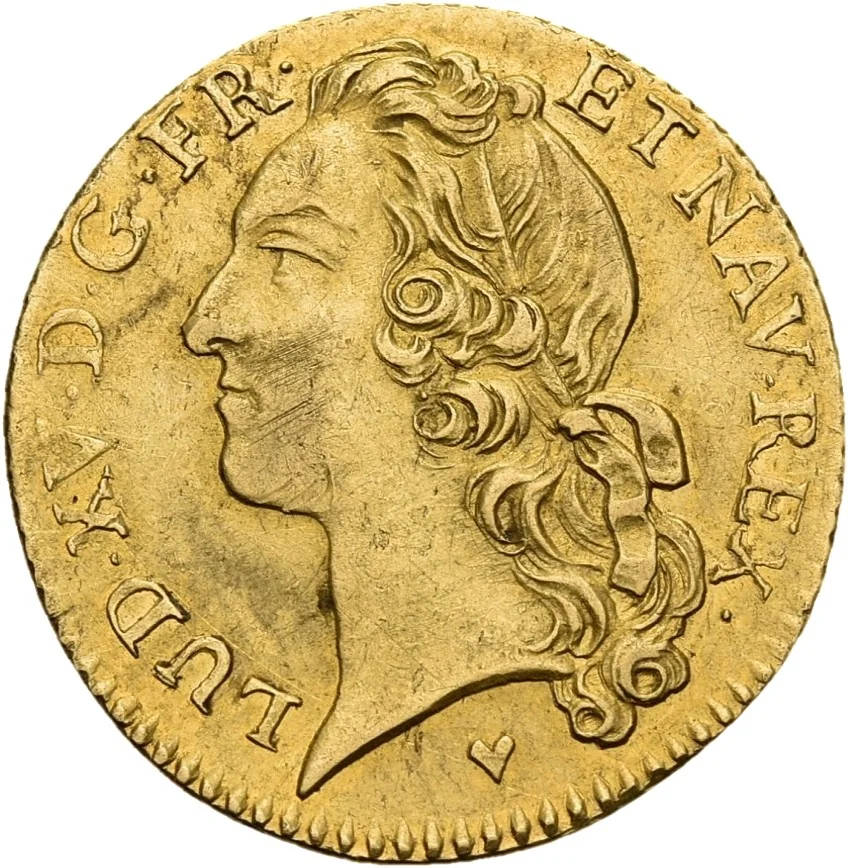
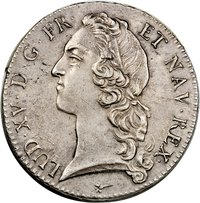
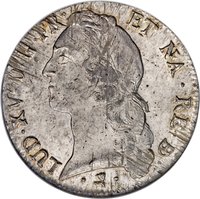
Obverse
Description:
Left head with headband, workshop mark below.
Inscription:
LVD. XV. D. G. FR. ET. NAV. REX
Script: Latin
Engraver: J-C Röettiers
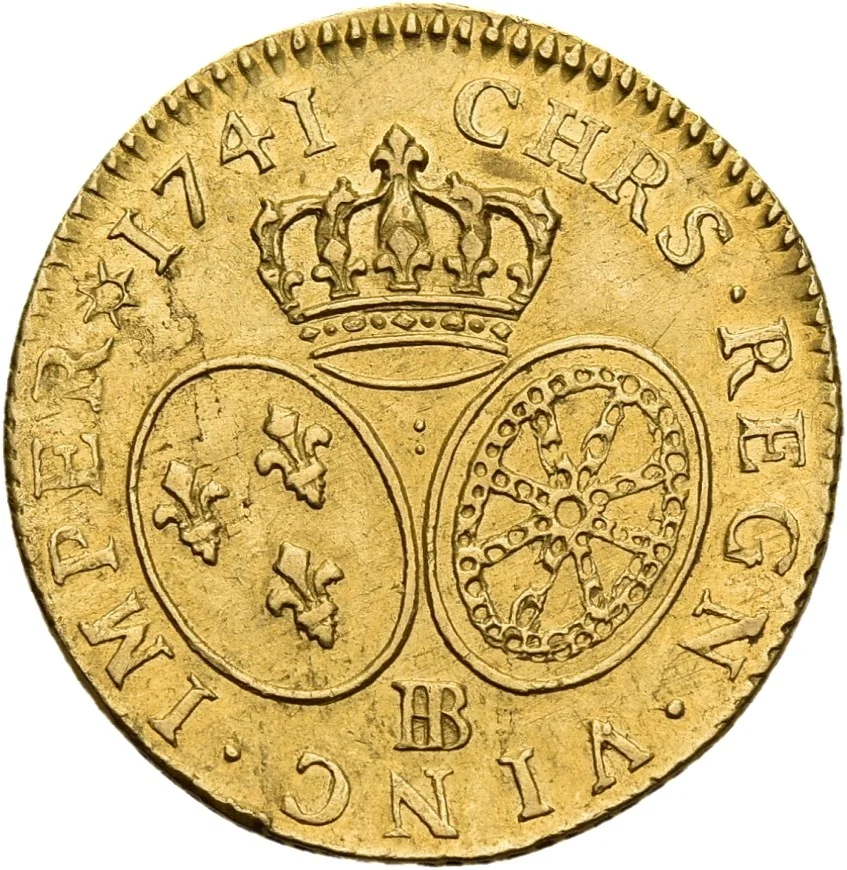
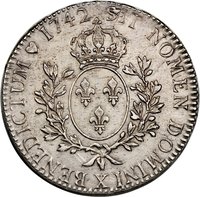
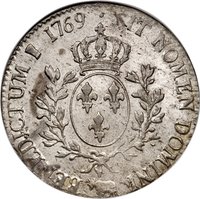
Reverse
Description:
France and Navarre's crowned shields. Workshop letter below.
Inscription:
CHRS.REGN.VINC.IMPER.1747
W
W
Script: Latin
Engraver: J-C Röettiers
Edge
Corded.
Mintings
| Year | Mint Mark | Mintage | Quality | Collection |
|---|---|---|---|---|
| 1740 | & | — | ||
| 1740 | 9 | 8,202 | ||
| 1740 | A | 104,000 | ||
| 1740 | B | 5,904 | ||
| 1740 | E | 5,517 | ||
| 1740 | L | 42,000 | ||
| 1740 | N | 9,007 | ||
| 1740 | O | 7,215 | ||
| 1740 | Q | 4,408 | ||
| 1740 | T | 36,000 | ||
| 1740 | BB | 6,795 | ||
| 1740 | W | 6,401 | ||
| 1740 | X | — | ||
| 1741 | A | — | ||
| 1741 | B | — | ||
| 1741 | D | 24,000 | ||
| 1741 | E | 9,563 | ||
| 1741 | H | 14,000 | ||
| 1741 | L | 76,000 | ||
| 1741 | Q | 4,300 | ||
| 1741 | S | 4,541 | ||
| 1741 | V | 3,450 | ||
| 1741 | W | 23,000 | ||
| 1741 | X | 16,000 | ||
| 1741 | T | 51,000 | ||
| 1741 | & | — | ||
| 1741 | 9 | 21,000 | ||
| 1742 | & | 69,000 | ||
| 1742 | D | 9,368 | ||
| 1742 | H | 14,000 | ||
| 1742 | I | 6,799 | ||
| 1742 | K | 20,000 | ||
| 1742 | M | 4,335 | ||
| 1742 | Q | 12,000 | ||
| 1742 | R | 5,456 | ||
| 1742 | T | 24,000 | ||
| 1742 | V | 2,329 | ||
| 1742 | W | 70,000 | ||
| 1742 | L | 39,000 | ||
| 1742 | A | 66,000 | ||
| 1742 | B | 3,102 | ||
| 1742 | BB | 4,540 | ||
| 1742 | C | 4,406 | ||
| 1742 | X | 62,000 | ||
| 1742 | Z | — | ||
| 1743 | A | 75,000 | ||
| 1743 | B | 2,190 | ||
| 1743 | D | 13,000 | ||
| 1743 | G | 6,019 | ||
| 1743 | H | 8,213 | ||
| 1743 | I | 3,217 | ||
| 1743 | N | 16,000 | ||
| 1743 | O | 2,150 | ||
| 1743 | Q | 2,699 | ||
| 1743 | R | 2,950 | ||
| 1743 | W | 1,306 | ||
| 1743 | Z | 7,175 | ||
| 1743 | & | 161,000 | ||
| 1744 | AA | — | ||
| 1744 | BB | 30,000 | ||
| 1744 | C | 5,659 | ||
| 1744 | & | — | ||
| 1744 | 9 | — | ||
| 1744 | A | 14,000 | ||
| 1744 | N | — | ||
| 1744 | S | 4,639 | ||
| 1744 | V | 1,650 | ||
| 1744 | W | 375,000 | ||
| 1745 | A | 13,000 | ||
| 1745 | BB | 11,000 | ||
| 1745 | P | 4,343 | ||
| 1745 | R | 1,334 | ||
| 1745 | W | 375,000 | ||
| 1745 | & | 65,000 | ||
| 1746 | & | 30,000 | ||
| 1746 | A | 21,000 | ||
| 1746 | BB | 33,000 | ||
| 1746 | E | 2,780 | ||
| 1746 | P | 6,181 | ||
| 1746 | W | 474,000 | ||
| 1746 | Y | 3,314 | ||
| 1747 | & | 18,000 | ||
| 1747 | A | 32,000 | ||
| 1747 | BB | 50,000 | ||
| 1747 | D | 9,102 | ||
| 1747 | G | 4,421 | ||
| 1747 | H | 6,998 | ||
| 1747 | K | — | ||
| 1747 | P | 5,491 | ||
| 1747 | Y | 2,001 | ||
| 1747 | S | 6,468 | ||
| 1747 | W | 327,000 | ||
| 1747 | X | 45,000 | ||
| 1747 | N | — | ||
| 1748 | & | 5,940 | ||
| 1748 | A | 26,000 | ||
| 1748 | AA | — | ||
| 1748 | Y | 2,916 | ||
| 1748 | P | 1,738 | ||
| 1748 | W | 210,000 | ||
| 1748 | X | 25,000 | ||
| 1749 | A | 27,000 | ||
| 1749 | K | 4,830 | ||
| 1749 | O | 3,766 | ||
| 1749 | S | 6,552 | ||
| 1749 | W | 171,000 | ||
| 1749 | ϽϹ | 2,169 | ||
| 1750 | O | 4,864 | ||
| 1750 | W | 12,000 | ||
| 1750 | A | — | ||
| 1750 | BB | 2,606 | ||
| 1750 | C | 3,183 | ||
| 1750 | D | 4,052 | ||
| 1751 | & | 4,257 | ||
| 1751 | A | — | ||
| 1751 | BB | — | ||
| 1751 | H | 9,900 | ||
| 1751 | M | 1,639 | ||
| 1751 | O | 2,944 | ||
| 1751 | V | 1,112 | ||
| 1751 | W | 4,065 | ||
| 1751 | Y | 3,577 | ||
| 1752 | BB | 4,180 | ||
| 1752 | H | 6,361 | ||
| 1752 | & | — | ||
| 1752 | A | 20,000 | ||
| 1753 | & | 9,229 | ||
| 1753 | A | — | ||
| 1753 | BB | 3,693 | ||
| 1753 | D | 412 | ||
| 1753 | W | 4,875 | ||
| 1754 | BB | — | ||
| 1754 | A | 50,000 | ||
| 1754 | D | 26,000 | ||
| 1755 | BB | — | ||
| 1755 | K | — | ||
| 1755 | W | 3,780 | ||
| 1755 | & | 14,000 | ||
| 1755 | A | 77,000 | ||
| 1756 | & | 59,000 | ||
| 1756 | A | 27,000 | ||
| 1756 | S | 1,304 | ||
| 1756 | ϽϹ | 5,372 | ||
| 1757 | & | 7,069 | ||
| 1757 | A | 19,299 | ||
| 1757 | H | 3,582 | ||
| 1757 | N | — | ||
| 1757 | X | 1,365 | ||
| 1758 | A | 47,000 | ||
| 1758 | D | 11,000 | ||
| 1758 | N | 8,464 | ||
| 1759 | N | 3,226 | ||
| 1759 | A | 29,000 | ||
| 1760 | BB | — | ||
| 1760 | G | 1,204 | ||
| 1761 | A | — | ||
| 1761 | B | 1,099 | ||
| 1761 | BB | 315,000 | ||
| 1761 | H | 3,577 | ||
| 1762 | BB | — | ||
| 1763 | C | 1,370 | ||
| 1763 | H | 3,972 | ||
| 1764 | H | 6,132 | ||
| 1765 | G | 1,159 | ||
| 1765 | H | 3,413 | ||
| 1766 | A | 17,000 | ||
| 1766 | D | 7,609 | ||
| 1766 | R | — | ||
| 1767 | & | 3,090 | ||
| 1767 | R | — | ||
| 1768 | A | — | ||
| 1768 | R | — | ||
| 1769 | A | — | ||
| 1769 | Y | 304 | ||
| 1769 | & | — | ||
| 1770 | A | — | ||
| 1770 | H | 1,060 | ||
| 1770 | L | — | ||
| 1770 | S | 615 | ||
| 1770 | W | 75,000 | ||
| 1771 | & | — | ||
| 1771 | W | — | ||
| 1772 | & | — | ||
| 1773 | & | — | ||
| 1774 | & | — |
Historical background
In 1740, France operated under a complex and strained monetary system, a legacy of the ambitious but disastrous policies of Louis XIV’s later reign. The national currency, the livre tournois, was not a physical coin but a unit of account, while actual circulation consisted of a bewildering variety of gold (louis d'or), silver (écus), and copper (sous) coins. The state’s chronic financial weakness, exacerbated by costly wars, led to repeated manipulations. Authorities would officially alter the exchange rate between the unit of account and the metal coins, or recall and re-mint coins with a different metal content, a process known as augmentation (devaluation) or diminution (revaluation). These manipulations were a form of short-term fiscal expediency, creating seigniorage profit for the Crown but sowing confusion and distrust in commerce.
The situation was further complicated by the policies of Controller-General of Finances Philibert Orry, who held office from 1730 to 1745. Seeking stability, Orry attempted to fix the values of coins in relation to the livre and enforced their use at these official rates. However, this rigidity clashed with the global reality of fluctuating precious metal values. Consequently, undervalued coins (particularly silver) were often hoarded or melted down for bullion, while overvalued coins flooded the market, following Gresham’s Law that "bad money drives out good." This led to periodic shortages of sound specie, disrupting markets and causing grievances among merchants, peasants, and creditors who suffered from the unpredictable value of payments.
This unstable currency regime existed within a broader context of a mercantilist economy and pervasive privilege. The looming War of the Austrian Succession (1740-1748), into which France was drawn that same year, would place immense new strain on royal finances. The need to finance military campaigns would soon overwhelm Orry’s attempts at stability, leading to renewed monetary manipulations and increased borrowing. Thus, in 1740, France’s currency system was in a precarious, state-managed equilibrium, acutely vulnerable to the fiscal demands of impending conflict, which would ultimately exacerbate the structural financial weaknesses that culminated in the crisis of the French Revolution later in the century.
The situation was further complicated by the policies of Controller-General of Finances Philibert Orry, who held office from 1730 to 1745. Seeking stability, Orry attempted to fix the values of coins in relation to the livre and enforced their use at these official rates. However, this rigidity clashed with the global reality of fluctuating precious metal values. Consequently, undervalued coins (particularly silver) were often hoarded or melted down for bullion, while overvalued coins flooded the market, following Gresham’s Law that "bad money drives out good." This led to periodic shortages of sound specie, disrupting markets and causing grievances among merchants, peasants, and creditors who suffered from the unpredictable value of payments.
This unstable currency regime existed within a broader context of a mercantilist economy and pervasive privilege. The looming War of the Austrian Succession (1740-1748), into which France was drawn that same year, would place immense new strain on royal finances. The need to finance military campaigns would soon overwhelm Orry’s attempts at stability, leading to renewed monetary manipulations and increased borrowing. Thus, in 1740, France’s currency system was in a precarious, state-managed equilibrium, acutely vulnerable to the fiscal demands of impending conflict, which would ultimately exacerbate the structural financial weaknesses that culminated in the crisis of the French Revolution later in the century.
💎 Very Rare