

dinar – Fez Branch of Saadi dynasty
Add to wishlist
Morocco
Context
Year: 1607
Islamic (Hijri) Year:: 1015
Country: Morocco
Issuer: Fez Branch of Saadi dynasty
Ruler: Muhammad al-Shaykh al-Ma'mun
Currency:
(1549—1659)
Demonetized: Yes
References
KM: #
Numista: #157692
Value
Bullion value: $690.30
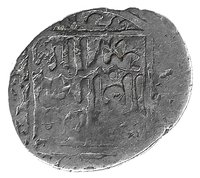
Obverse
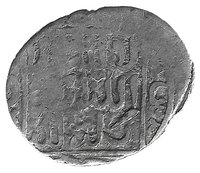
Reverse
Edge
Mintings
| Year | Mint Mark | Mintage | Quality | Collection |
|---|---|---|---|---|
| 1607 | — | — |
Historical background
In 1607, the currency situation at the Fez branch of the Saadi dynasty was one of acute crisis and strategic complexity. The Saadi realm, though nominally unified under Sultan Zidan al-Nasir in Marrakech, was effectively split, with his uncle, Al-Ma'mun, ruling a rival court in Fez with Ottoman backing. This political fragmentation directly destabilized the monetary system. Fez, a crucial hub for trans-Saharan trade and Mediterranean commerce, suffered from a severe shortage of full-weight silver dirhams and gold dinars. The rival mints in Marrakech and Fez competed for bullion, while widespread clipping and the circulation of debased, lightweight coins eroded public trust and disrupted markets.
The core of the problem was a desperate shortage of precious metals. The once-prolific silver mines of the Souss region were in decline, and the flow of Sudanese gold, the dynasty's historic lifeblood, was increasingly intercepted by European coastal traders or diverted due to political instability along the caravan routes. To meet immediate fiscal demands—primarily paying his Ottoman-aligned mercenary armies—Al-Ma'mun's mint in Fez was compelled to issue heavily debased coinage. This practice, alongside the circulation of a multitude of older, foreign (especially Spanish and Ottoman), and counterfeit coins, created a chaotic multi-currency environment where daily transactions required careful weighing and assessment, stifling economic activity.
Consequently, the monetary crisis in Fez was both a symptom and a cause of the dynasty's weakening authority. The inability to provide a stable, reliable currency undermined the economic foundations of Al-Ma'mun's rule, fueling inflation, merchant discontent, and social unrest. While the sultans understood that sound coinage was a key attribute of sovereignty, the geopolitical strife and resource scarcity of the period made monetary reform impossible. Thus, in 1607, the currency situation in Fez reflected a dynasty in territorial and economic distress, struggling to maintain the fiscal integrity that had underpinned its power at its zenith under Ahmad al-Mansur.
The core of the problem was a desperate shortage of precious metals. The once-prolific silver mines of the Souss region were in decline, and the flow of Sudanese gold, the dynasty's historic lifeblood, was increasingly intercepted by European coastal traders or diverted due to political instability along the caravan routes. To meet immediate fiscal demands—primarily paying his Ottoman-aligned mercenary armies—Al-Ma'mun's mint in Fez was compelled to issue heavily debased coinage. This practice, alongside the circulation of a multitude of older, foreign (especially Spanish and Ottoman), and counterfeit coins, created a chaotic multi-currency environment where daily transactions required careful weighing and assessment, stifling economic activity.
Consequently, the monetary crisis in Fez was both a symptom and a cause of the dynasty's weakening authority. The inability to provide a stable, reliable currency undermined the economic foundations of Al-Ma'mun's rule, fueling inflation, merchant discontent, and social unrest. While the sultans understood that sound coinage was a key attribute of sovereignty, the geopolitical strife and resource scarcity of the period made monetary reform impossible. Thus, in 1607, the currency situation in Fez reflected a dynasty in territorial and economic distress, struggling to maintain the fiscal integrity that had underpinned its power at its zenith under Ahmad al-Mansur.

✨ Legendary