


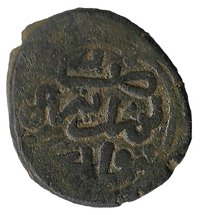
Obverse
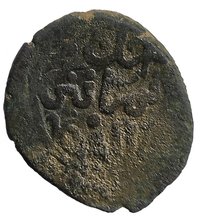
Reverse
Edge
Mints
| Name | Mark |
|---|---|
| Sijilmasa | — |
Mintings
| Year | Mint Mark | Mintage | Quality | Collection |
|---|---|---|---|---|
| 1671 | — | — | ||
| 1672 | — | — |
Historical background
In 1671, the currency situation in the Alaouite Sultanate of Morocco was characterized by a complex and often unstable bimetallic system, heavily influenced by both internal governance and intense foreign pressure. The primary coins in circulation were the silver dirham and the gold benduqi (or dinar), but their weight, purity, and value were not consistently standardized, leading to regional variations and frequent market confusion. This period, under the rule of Sultan Ismail ibn Sharif, was one of intense state-building and military expenditure, financed through taxation and trade, which placed significant strain on the monetary supply and its management.
A critical factor destabilizing the currency was the massive outflow of precious metals, particularly silver, to European trading powers. European merchants, especially the English and Dutch, purchased Moroccan goods like sugar, saltpetre, and leather primarily with trade goods rather than specie. This, combined with the sultan's need to pay for imported arms and luxury goods, drained silver from the economy. Concurrently, a flood of debased foreign coins, notably low-quality Spanish reales and Ottoman pieces, circulated in port cities, competing with and often undermining confidence in the official Moroccan coinage.
Sultan Ismail responded to these challenges with assertive but sometimes disruptive measures. He centralized minting operations to exert greater control over coinage and periodically recalled existing coins to be re-minted, a process that allowed the state to extract seigniorage but also caused temporary shortages and public distrust. The ultimate goal was to fund his ambitious projects, including a large standing army and monumental construction, but the monetary policies of the era often resulted in short-term inflation and market uncertainty, reflecting the struggle to maintain a sovereign currency system amidst global economic currents and immense domestic fiscal demands.
A critical factor destabilizing the currency was the massive outflow of precious metals, particularly silver, to European trading powers. European merchants, especially the English and Dutch, purchased Moroccan goods like sugar, saltpetre, and leather primarily with trade goods rather than specie. This, combined with the sultan's need to pay for imported arms and luxury goods, drained silver from the economy. Concurrently, a flood of debased foreign coins, notably low-quality Spanish reales and Ottoman pieces, circulated in port cities, competing with and often undermining confidence in the official Moroccan coinage.
Sultan Ismail responded to these challenges with assertive but sometimes disruptive measures. He centralized minting operations to exert greater control over coinage and periodically recalled existing coins to be re-minted, a process that allowed the state to extract seigniorage but also caused temporary shortages and public distrust. The ultimate goal was to fund his ambitious projects, including a large standing army and monumental construction, but the monetary policies of the era often resulted in short-term inflation and market uncertainty, reflecting the struggle to maintain a sovereign currency system amidst global economic currents and immense domestic fiscal demands.

✨ Legendary