

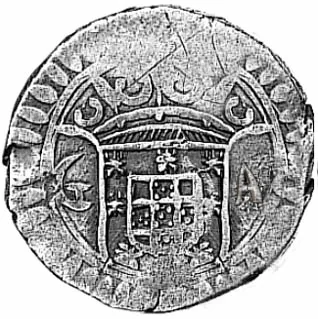
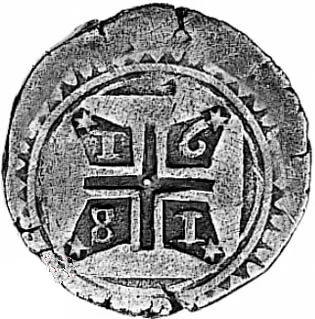
1 xerafim – Portuguese India
Add to wishlist
India
Context
Years: 1681–1683
Country: India
Issuer: Portuguese India
Ruler: Peter II
Currency:
(1580—1706)
Subdivision: 1 xerafim = 300 Réis
Demonetized: Yes
Material
References
KM: #
Numista: #105668
Value
Bullion value: $26.83
Mintings
| Year | Mint Mark | Mintage | Quality | Collection |
|---|---|---|---|---|
| 1681 | G-A | — | ||
| 1683 | G-A | — |
Historical background
In 1681, the currency situation in Portuguese India, centered at Goa, was a complex tapestry of local, regional, and international monetary systems, reflecting the territory's role as a commercial hub. The official Portuguese system, based on the réis, was anchored by the silver xerafim (worth 300 réis) and the gold cruzado (worth 400 réis). However, the royal treasury was perennially short of specie, leading to frequent debasements and the issuance of low-value copper bazarucos for local small trade, which often fueled inflation and public discontent.
The reality in bazaars and for long-distance trade was dominated by foreign coins, underscoring Portuguese India's integration into wider Indian Ocean networks. The most important were silver rupias from the Mughal Empire, which circulated extensively alongside gold pagodas from the neighboring Hindu kingdoms of the Deccan, particularly Vijayanagara. Portuguese authorities officially recognized these currencies, even minting their own versions of the rupia (the rupia or serafim-praca) to facilitate commerce, as trade with the Mughal interior was far more economically critical than ties to Lisbon.
This monetary pluralism presented significant challenges for the Estado da Índia. The constant outflow of silver to pay for textiles and spices, combined with the fluctuating values of disparate coins, complicated administration and tax collection. The situation in 1681 was one of pragmatic adaptation, where Portuguese imperial ambition was constrained by economic reality, forcing the colonial administration to operate within a vibrant and competitive Asian monetary sphere it could not control.
The reality in bazaars and for long-distance trade was dominated by foreign coins, underscoring Portuguese India's integration into wider Indian Ocean networks. The most important were silver rupias from the Mughal Empire, which circulated extensively alongside gold pagodas from the neighboring Hindu kingdoms of the Deccan, particularly Vijayanagara. Portuguese authorities officially recognized these currencies, even minting their own versions of the rupia (the rupia or serafim-praca) to facilitate commerce, as trade with the Mughal interior was far more economically critical than ties to Lisbon.
This monetary pluralism presented significant challenges for the Estado da Índia. The constant outflow of silver to pay for textiles and spices, combined with the fluctuating values of disparate coins, complicated administration and tax collection. The situation in 1681 was one of pragmatic adaptation, where Portuguese imperial ambition was constrained by economic reality, forcing the colonial administration to operate within a vibrant and competitive Asian monetary sphere it could not control.

✨ Legendary