

1 Ducat – Kingdom of Bohemia
Context
Years: 1706–1710
Country: Bohemia
Issuer: Kingdom of Bohemia
Ruler: Joseph I
Currency:
(1520—1754)
Demonetized: Yes
References
KM: #Click to copy to clipboard639
Numista: #153896
Value
Bullion value: $573.62
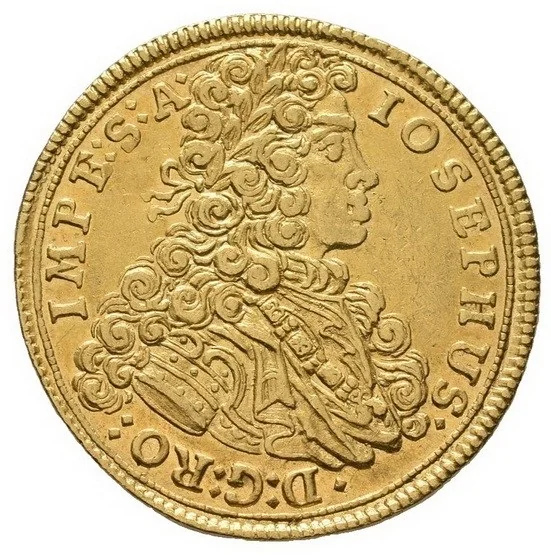
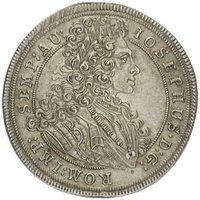
Obverse
Inscription:
IOSEPHUS. D: G: RO: IMPE: S : A
Script: Latin
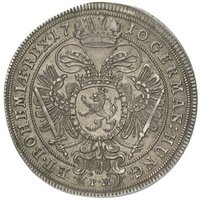
Reverse
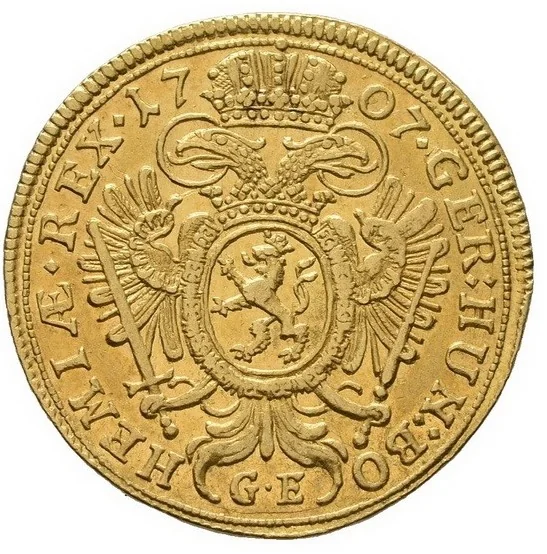
Inscription:
GER: HUN: BO HEMIAE. REX 17 07
(G E)
(G E)
Script: Latin
Edge
Mints
| Name | Mark |
|---|---|
| Prague | — |
Mintings
| Year | Mint Mark | Mintage | Quality | Collection |
|---|---|---|---|---|
| 1706 | — | — | ||
| 1707 | — | — | ||
| 1708 | — | — | ||
| 1709 | — | — | ||
| 1710 | PM | — |
Historical background
In 1706, the Kingdom of Bohemia, a hereditary land of the Habsburg Monarchy, was grappling with a severe and protracted currency crisis rooted in the financial demands of the Great Northern War and the War of the Spanish Succession. To fund its massive military expenditures, the Habsburg court in Vienna, under Emperor Leopold I and later Joseph I, repeatedly resorted to debasement. This involved minting new coinage, known as Kipper- und Wipperzeit coins, with drastically reduced silver content while mandating they circulate at their old, higher face value. This policy, effectively a form of state-sanctioned inflation, flooded the Bohemian lands with unstable, poor-quality money, driving older, full-value coins out of circulation or into hoards.
The consequences within Bohemia were socially and economically disruptive. The rapid devaluation eroded public trust in the currency, leading to price volatility, market confusion, and a breakdown in commercial contracts. Peasants, artisans, and creditors on fixed incomes suffered as their money bought less, while speculators and those with access to bullion could profit. The situation exacerbated existing tensions within the estates society, as the Bohemian Diet and local authorities struggled to maintain economic order against the directives from the central Hofkammer (Treasury) in Vienna, which prioritized imperial war finance over regional stability.
By 1706, the crisis had prompted initial, though ineffective, attempts at correction. A currency edict was issued in 1704 to stabilize values, but it failed to restore confidence or address the root cause. The financial strain contributed to a broader pattern of increased fiscal pressure from Vienna on Bohemia, including higher taxation and the consolidation of administrative control, which would shape the kingdom's relationship with the Habsburg crown for decades. Thus, the currency situation of 1706 was not merely a monetary issue but a symptom of the centralizing and extractive policies of the Habsburg state during a period of existential military conflict.
The consequences within Bohemia were socially and economically disruptive. The rapid devaluation eroded public trust in the currency, leading to price volatility, market confusion, and a breakdown in commercial contracts. Peasants, artisans, and creditors on fixed incomes suffered as their money bought less, while speculators and those with access to bullion could profit. The situation exacerbated existing tensions within the estates society, as the Bohemian Diet and local authorities struggled to maintain economic order against the directives from the central Hofkammer (Treasury) in Vienna, which prioritized imperial war finance over regional stability.
By 1706, the crisis had prompted initial, though ineffective, attempts at correction. A currency edict was issued in 1704 to stabilize values, but it failed to restore confidence or address the root cause. The financial strain contributed to a broader pattern of increased fiscal pressure from Vienna on Bohemia, including higher taxation and the consolidation of administrative control, which would shape the kingdom's relationship with the Habsburg crown for decades. Thus, the currency situation of 1706 was not merely a monetary issue but a symptom of the centralizing and extractive policies of the Habsburg state during a period of existential military conflict.
✨ Legendary