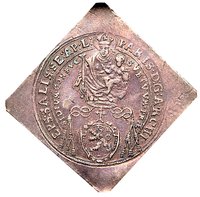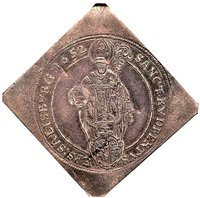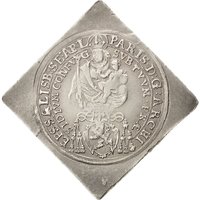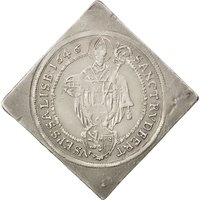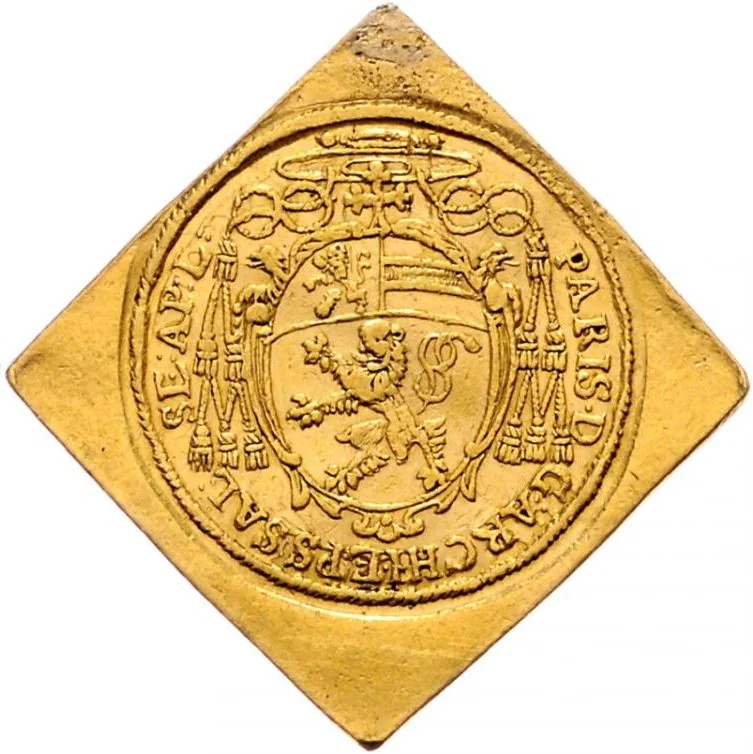
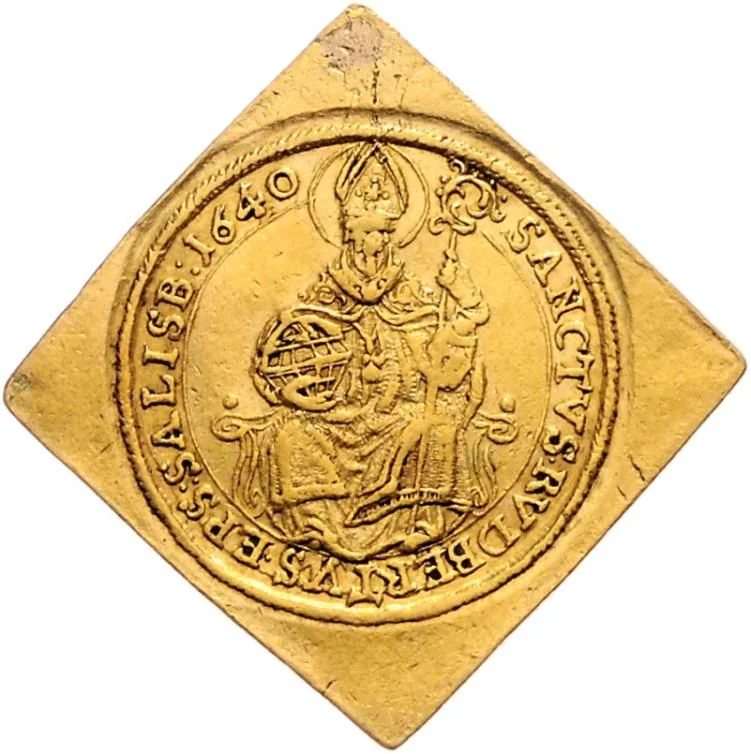
In 1639, the Prince-Archbishopric of Salzburg, under the rule of Archbishop Paris Lodron, was deeply entangled in the economic and monetary turmoil of the Thirty Years' War. While the territory had been spared from direct military occupation, it faced immense financial strain from funding the Catholic League's war efforts and maintaining its own costly fortifications. This relentless expenditure, coupled with the disruption of regional trade, drained state coffers and placed severe pressure on the local currency system, which was part of the wider Holy Roman Empire's complex monetary landscape.
The currency situation was characterized by rampant inflation and debasement, a crisis affecting the entire Empire. Salzburg circulated a mix of coins, including its own silver
Gulden and
Kreuzer, but also a flood of inferior coins from neighboring minting authorities. The "Kipper und Wipper" period of the 1620s had seen widespread currency manipulation, where states debased their coinage to create short-term profit, flooding the market with underweight coins. Although the peak of this crisis had passed, its effects lingered in 1639, with a distrust of small change and a disparity between the official face value of coins and their actual precious metal content, causing hardship for ordinary subjects and complicating all commerce.
Archbishop Lodron's administration was forced to navigate this chaotic environment by attempting to control the money in circulation and uphold the value of Salzburg's own coinage. This involved issuing monetary mandates (
Münzmandate) that set exchange rates and forbade the circulation of specific foreign coins deemed particularly debased. However, these decrees were difficult to enforce, and the fundamental pressures of war finance remained. Thus, in 1639, Salzburg's currency situation was one of fragile stability, managed with difficulty amidst the broader imperial monetary disorder, with the state's fiscal demands continually undermining the integrity of its coinage.