

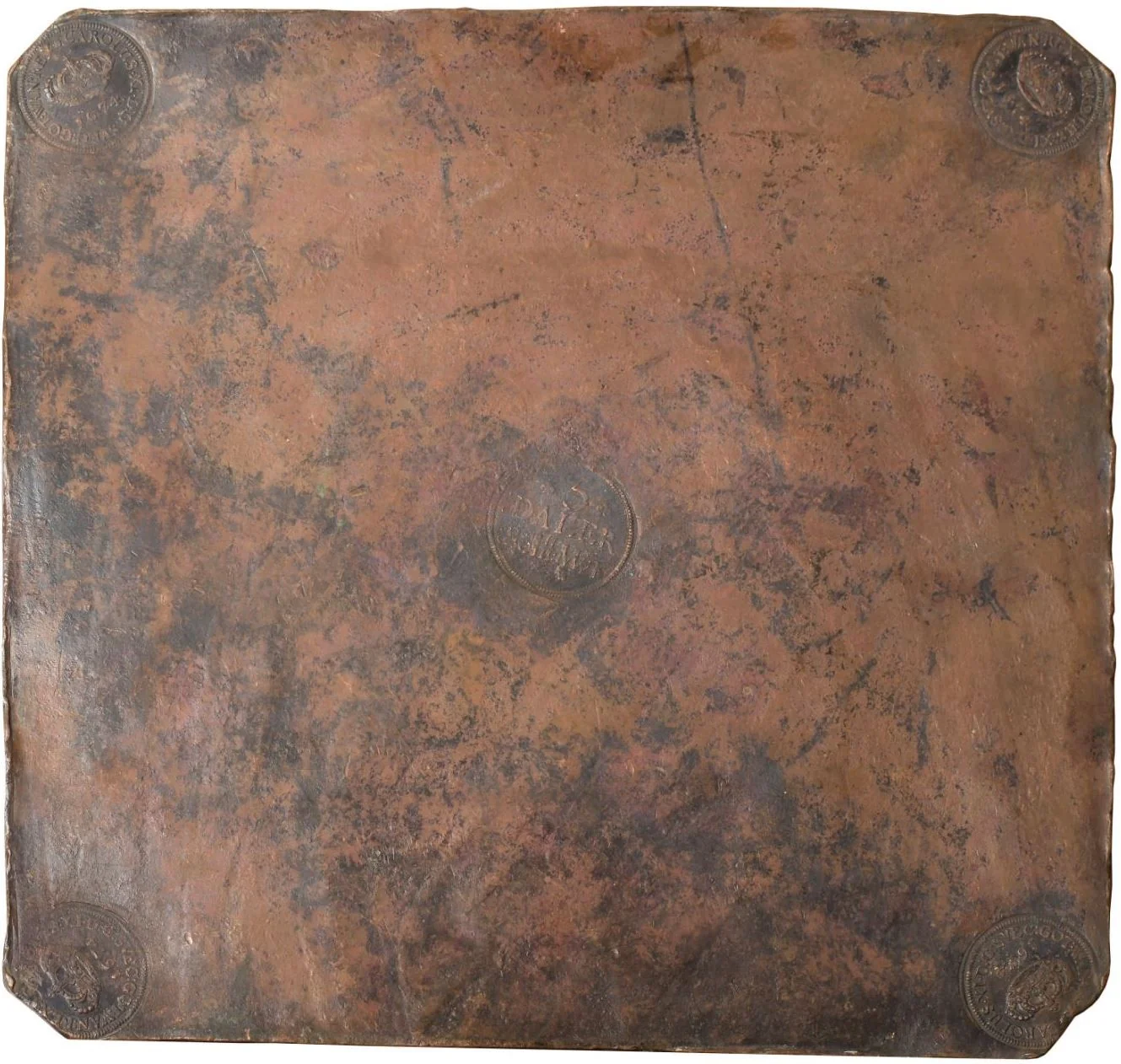

Obverse
Description:
Crown above date; legend: CAROLUS XI… Center: 5 DALER Solff:Myt, three stars.
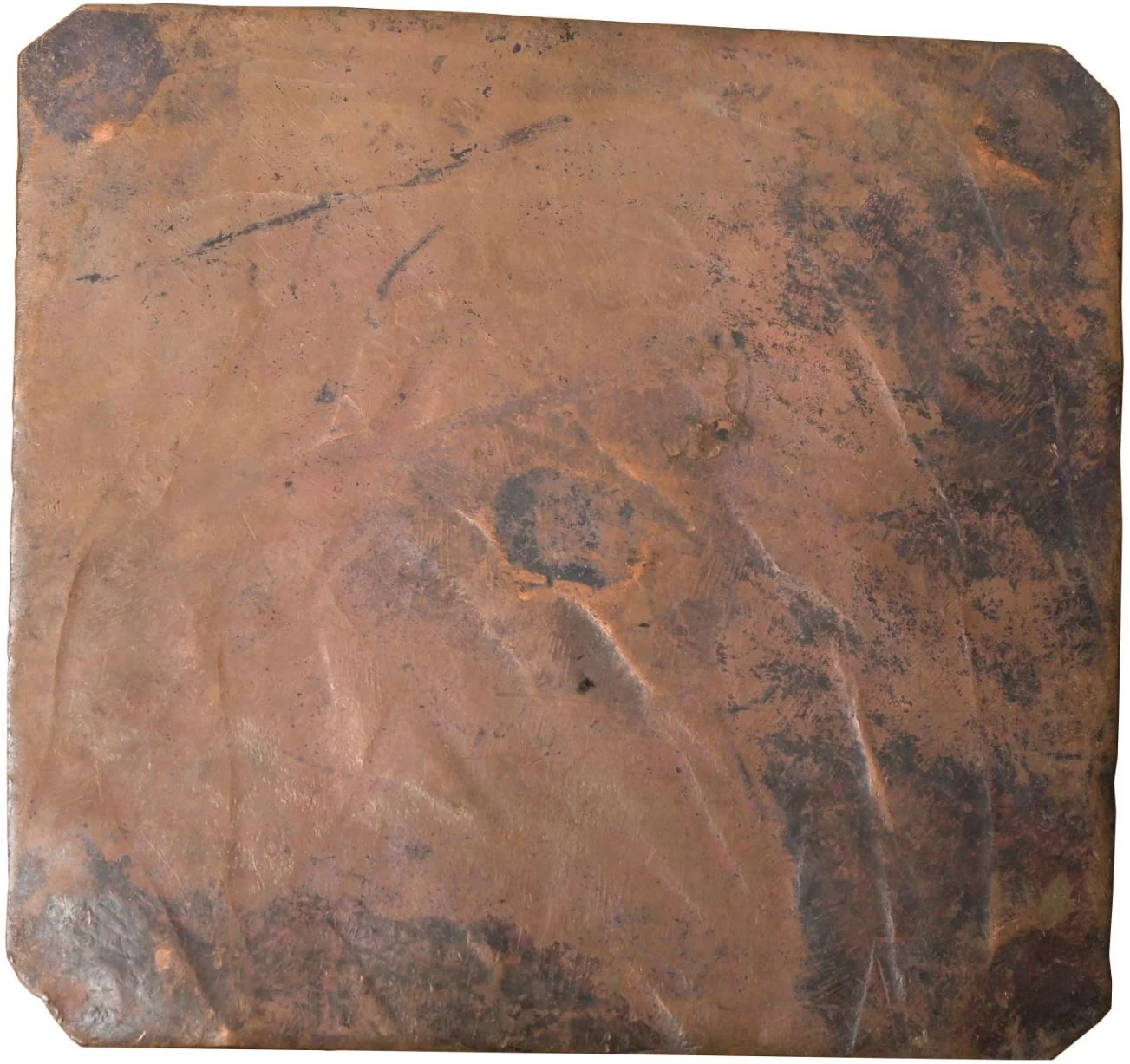
Reverse
Edge
Mintings
| Year | Mint Mark | Mintage | Quality | Collection |
|---|---|---|---|---|
| 1674 | — | — |
Historical background
In 1674, Sweden found itself in a precarious monetary crisis, a direct consequence of its ambitious and costly foreign policy. The empire, at the height of its territorial power, was engaged in the Franco-Dutch War and faced the looming threat of a broader conflict with Brandenburg and Denmark. To finance its vast military expenditures, the Swedish government, under the Regency for the young King Charles XI, resorted to the disastrous practice of debasing the currency. The state-run Sveriges Riksbank (the world's oldest central bank, founded in 1668) was compelled to issue large quantities of copper and silver coins with a drastically reduced precious metal content, while mandating they circulate at their old, higher face value.
This policy led to rampant inflation and a collapse in public trust. As the new, inferior coins flooded the market, Gresham's law took hold: "bad money drove out good." People hoarded older, full-value coins and used the debased currency for transactions, causing prices to soar. The situation was exacerbated by the use of heavy copper plåtmynt (plate money) as a primary monetary instrument, which was cumbersome and whose intrinsic value as a metal now dangerously diverged from its nominal worth. The economy suffered from severe instability, with creditors devastated and trade becoming increasingly difficult.
The crisis of 1674 was a pivotal moment that exposed the fragility of Sweden's imperial finances. The monetary chaos contributed to deepening domestic discontent and weakened the state's economic foundation at a critical military juncture. It set the stage for the major reforms that would follow after the war, most notably the Great Reduction of 1680, where the Crown reclaimed alienated lands to restore its fiscal sovereignty, and a comprehensive monetary reform to stabilize the currency system. Thus, the situation in 1674 represents the painful culmination of wartime financial desperation and a catalyst for the subsequent reorganisation of the Swedish state.
This policy led to rampant inflation and a collapse in public trust. As the new, inferior coins flooded the market, Gresham's law took hold: "bad money drove out good." People hoarded older, full-value coins and used the debased currency for transactions, causing prices to soar. The situation was exacerbated by the use of heavy copper plåtmynt (plate money) as a primary monetary instrument, which was cumbersome and whose intrinsic value as a metal now dangerously diverged from its nominal worth. The economy suffered from severe instability, with creditors devastated and trade becoming increasingly difficult.
The crisis of 1674 was a pivotal moment that exposed the fragility of Sweden's imperial finances. The monetary chaos contributed to deepening domestic discontent and weakened the state's economic foundation at a critical military juncture. It set the stage for the major reforms that would follow after the war, most notably the Great Reduction of 1680, where the Crown reclaimed alienated lands to restore its fiscal sovereignty, and a comprehensive monetary reform to stabilize the currency system. Thus, the situation in 1674 represents the painful culmination of wartime financial desperation and a catalyst for the subsequent reorganisation of the Swedish state.

✨ Legendary