

1 Para – Baghdad Eyalet
Iraq
Context
Years: 1751–1764
Islamic (Hijri) Year: 1178
Country: Iraq 
Issuer: Baghdad Eyalet
Ruler: Mustafa III
Currency:
(1688—1844)
Demonetized: Yes
Material
References
KM: #Click to copy to clipboard42
Numista: #142424
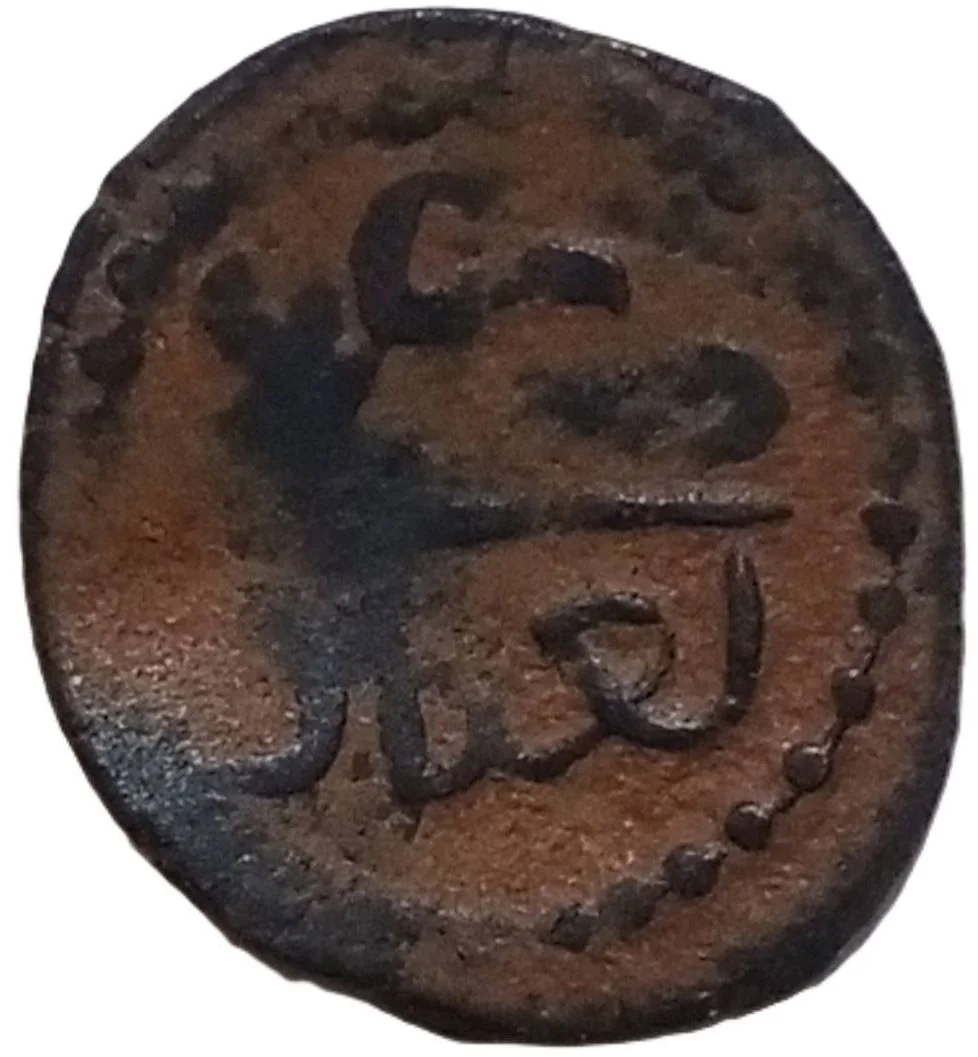
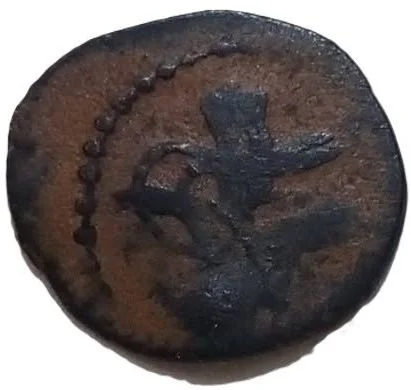
Obverse
Description:
Toughra
Reverse
Description:
Mint date
Inscription:
ضرب في
بغداد
٧٨
بغداد
٧٨
Edge
Mintings
| Year | Mint Mark | Mintage | Quality | Collection |
|---|---|---|---|---|
| 1751 | — | — | ||
| 1764 | — | — |
Historical background
In 1751, the currency situation in Baghdad Eyalet, a strategic Ottoman province, was characterized by severe instability and debasement, reflecting the broader fiscal crises of the 18th-century Empire. The primary circulating coin was the Ottoman para, a small silver unit, but its silver content and value were highly unreliable. The central Ottoman mint in Baghdad, which should have regulated currency, often operated intermittently and under the de facto control of local Mamluk pashas, who frequently ordered debasements to finance their own military and administrative expenses. This resulted in a proliferation of underweight and adulterated coins, causing sharp fluctuations in purchasing power and eroding public trust.
The monetary chaos was exacerbated by the widespread circulation of a multitude of foreign and historic coins, which traders and merchants were forced to use as a more reliable alternative. European silver thalers (especially the Austrian Maria Theresa thaler), Persian silver abbasis, and even old Spanish pieces of eight flowed through Baghdad's bustling markets, serving as the de facto stable currency for long-distance trade. This created a dual system: unstable local currency for daily Ottoman affairs and foreign specie for important commercial transactions, leading to complex and ever-changing exchange rates that hampered economic predictability.
This financial disorder was both a symptom and a cause of the Eyalet's political fragility. The recurring debasements amounted to a form of arbitrary taxation, fueling resentment among soldiers paid in devalued coin and merchants facing unpredictable losses. Consequently, the currency crisis of 1751 weakened the authority of both the local Mamluk governors and the distant Ottoman Sultan, undermining economic integration and contributing to the province's gradual drift toward greater autonomy amidst the weakening of central imperial control.
The monetary chaos was exacerbated by the widespread circulation of a multitude of foreign and historic coins, which traders and merchants were forced to use as a more reliable alternative. European silver thalers (especially the Austrian Maria Theresa thaler), Persian silver abbasis, and even old Spanish pieces of eight flowed through Baghdad's bustling markets, serving as the de facto stable currency for long-distance trade. This created a dual system: unstable local currency for daily Ottoman affairs and foreign specie for important commercial transactions, leading to complex and ever-changing exchange rates that hampered economic predictability.
This financial disorder was both a symptom and a cause of the Eyalet's political fragility. The recurring debasements amounted to a form of arbitrary taxation, fueling resentment among soldiers paid in devalued coin and merchants facing unpredictable losses. Consequently, the currency crisis of 1751 weakened the authority of both the local Mamluk governors and the distant Ottoman Sultan, undermining economic integration and contributing to the province's gradual drift toward greater autonomy amidst the weakening of central imperial control.

✨ Legendary