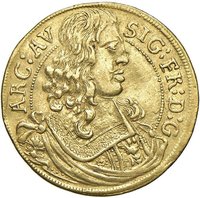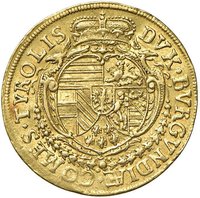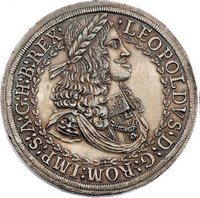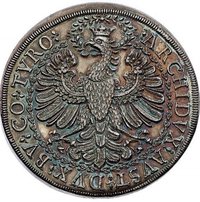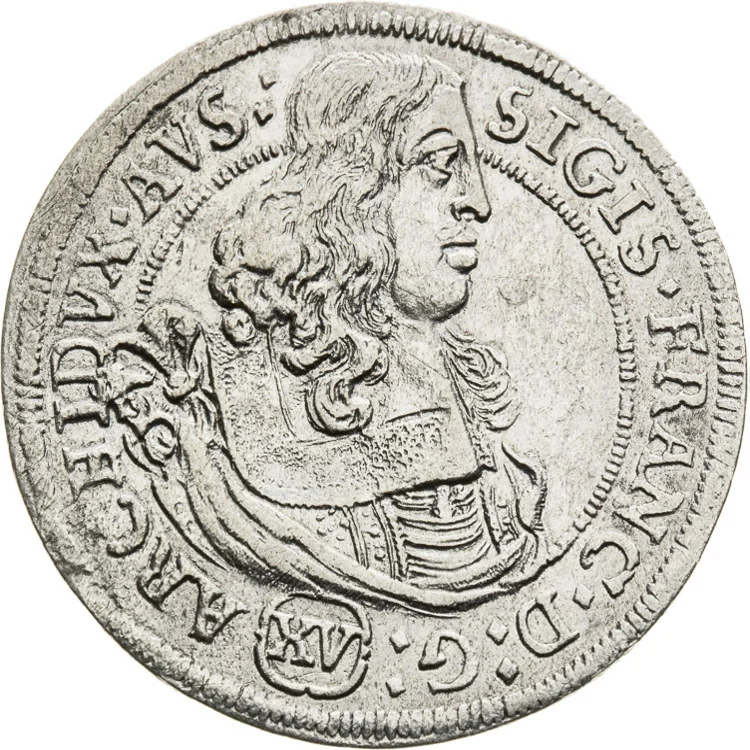
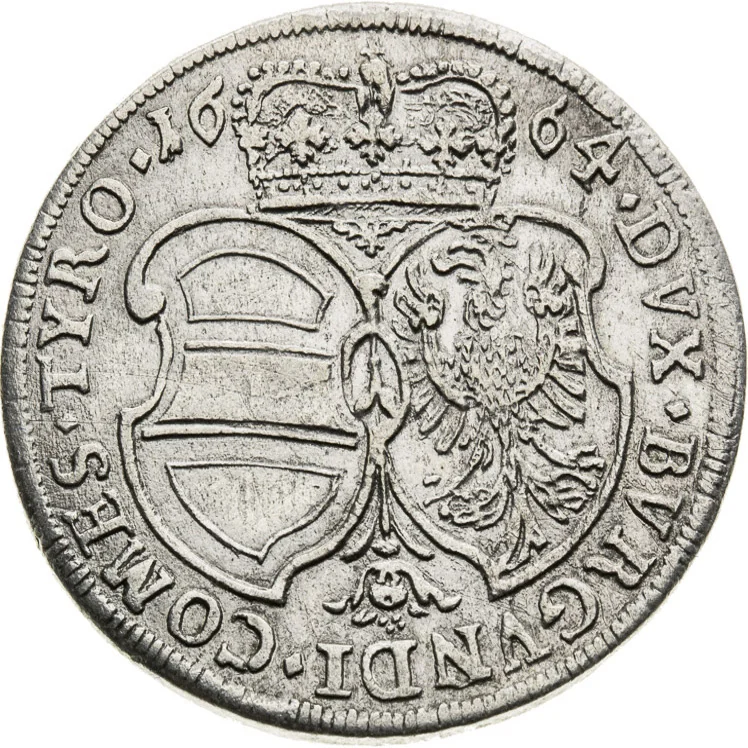
In 1664, the currency situation in the County of Tyrol was characterized by significant instability and complexity, a legacy of its position within the Habsburg Empire and the broader economic turmoil of the 17th century. The primary circulating coin was the Tyrolean
Kreuzer, but the monetary landscape was crowded with a variety of foreign and domestic coins, including
Guldens,
Talers, and smaller
Pfennigs. This proliferation was due to Tyrol's strategic location on major trade routes across the Alps, which brought in currency from the German states, Italy, and the Habsburg hereditary lands, leading to chronic confusion over exchange rates and values.
The root of the instability lay in the relentless debasement of coinage. The Habsburg rulers, frequently engaged in costly wars like the ongoing Austro-Turkish War (1663-1664), resorted to reducing the precious metal content in coins to generate seigniorage revenue. This practice, particularly affecting smaller denominations like the kreuzer, led to a severe divergence between the official face value of coins and their intrinsic metal value. Consequently, Gresham's Law took hold, where "good" full-weight coins were hoarded or exported, leaving only the debased "bad" money in common circulation, further eroding public trust and causing price inflation.
Local authorities and merchants struggled with this chaotic system, as it hampered commerce and tax collection. While the central
Münzstätte (mint) in Hall attempted to regulate the currency, its efforts were often undermined by the financial necessities of the Vienna court. The year 1664 itself did not see a major monetary reform, but it existed within a period of persistent crisis that would eventually compel the government to implement periodic
Münzfuß (monetary standard) adjustments. Thus, the currency situation remained a persistent economic weakness, reflecting the broader fiscal strains of the Habsburg monarchy during this era.