

1 rupee – Awadh
Add to wishlist
India
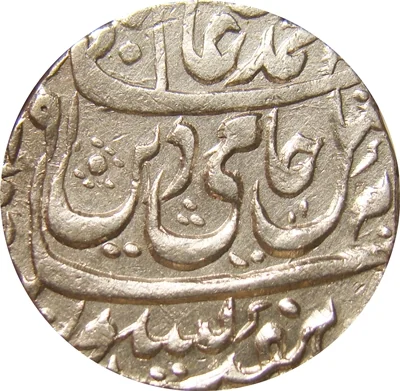
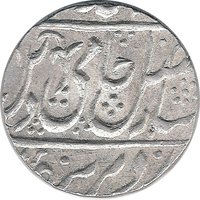
Obverse
Description:
Shah Alam II, "saya-e-fazle elah," with couplet and AH date.
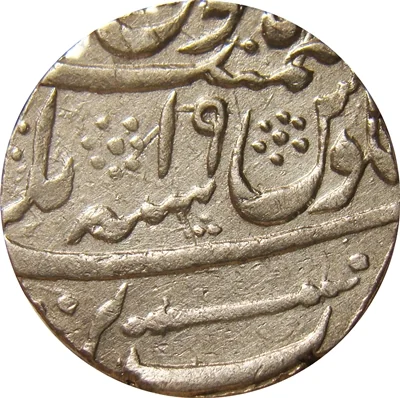
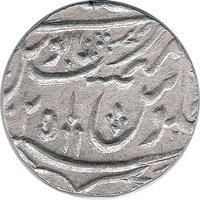
Reverse
Description:
Sana, julus, zarb, and danda.
Edge
Mintings
| Year | Mint Mark | Mintage | Quality | Collection |
|---|---|---|---|---|
| 1777 | — | — | ||
| 1778 | — | — | ||
| 1780 | — | — |
Historical background
In 1777, the currency situation in Awadh was a complex and deteriorating system, caught between the declining authority of the Mughal Empire and the rising influence of the British East India Company. The Nawab of Awadh, Asaf-ud-Daula (reigned 1775–1797), nominally issued his own silver rupee, which was the primary circulating medium. However, the integrity of this currency was severely compromised. The state mint in Lucknow produced coins of inconsistent weight and purity, as the Nawab’s administration, facing severe financial strain from a massive British subsidy and court extravagance, frequently engaged in debasement to increase short-term revenue.
This period saw a chaotic multiplicity of coins in circulation. Alongside the debased Lucknow rupees, older Mughal rupees from the reign of Alamgir II and even regional coins from neighboring Benares and Farrukhabad circulated, each valued differently based on their perceived intrinsic silver content. Furthermore, the growing economic penetration of the British East India Company introduced a new element: the Arcot rupee from Madras and the Company’s own Sicca rupee from Bengal. This created a confusing environment for trade, where money changers (sarrafs) held significant power, and transactions required constant negotiation over exchange rates and discounts (batta).
The underlying cause of this monetary instability was the political and fiscal subordination of Awadh. The Treaty of Benares (1775) had forced Asaf-ud-Daula to pay an enormous annual subsidy to the Company for the maintenance of British troops. To meet these demands and fund his own court, the Nawab resorted to currency manipulation, which eroded public trust and damaged the regional economy. Thus, the currency situation in 1777 was not merely a financial issue but a direct symptom of Awadh’s fading sovereignty and its deepening entanglement in the colonial economic web, setting the stage for further British intervention in the decades to come.
This period saw a chaotic multiplicity of coins in circulation. Alongside the debased Lucknow rupees, older Mughal rupees from the reign of Alamgir II and even regional coins from neighboring Benares and Farrukhabad circulated, each valued differently based on their perceived intrinsic silver content. Furthermore, the growing economic penetration of the British East India Company introduced a new element: the Arcot rupee from Madras and the Company’s own Sicca rupee from Bengal. This created a confusing environment for trade, where money changers (sarrafs) held significant power, and transactions required constant negotiation over exchange rates and discounts (batta).
The underlying cause of this monetary instability was the political and fiscal subordination of Awadh. The Treaty of Benares (1775) had forced Asaf-ud-Daula to pay an enormous annual subsidy to the Company for the maintenance of British troops. To meet these demands and fund his own court, the Nawab resorted to currency manipulation, which eroded public trust and damaged the regional economy. Thus, the currency situation in 1777 was not merely a financial issue but a direct symptom of Awadh’s fading sovereignty and its deepening entanglement in the colonial economic web, setting the stage for further British intervention in the decades to come.
✨ Legendary