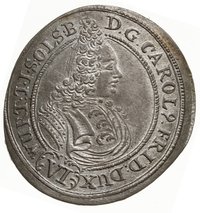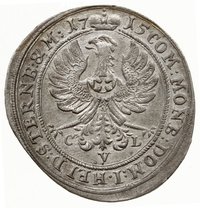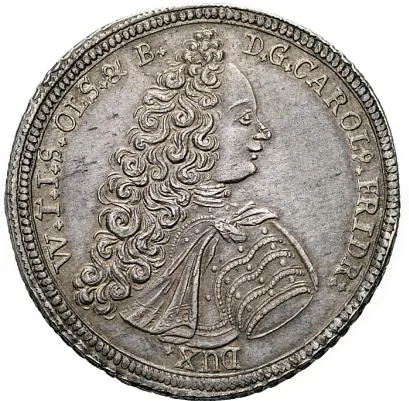
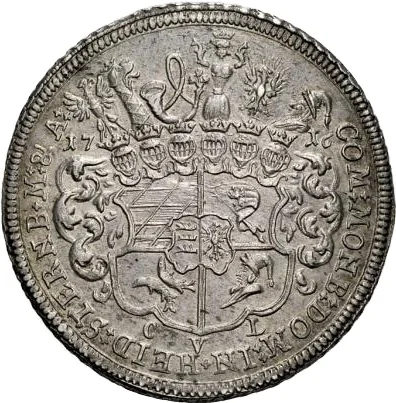
In 1716, the currency situation in the Duchy of Württemberg-Oels was complex and challenging, typical of the fragmented Holy Roman Empire. The duchy, a small Silesian territory ruled by a cadet branch of the Württemberg dynasty, did not possess a strong, independent minting authority. Consequently, its monetary system was heavily influenced by and entangled with the currencies of larger neighboring powers, particularly the Kingdom of Bohemia (and thus the Habsburg Monarchy) and the Polish-Lithuanian Commonwealth. A multitude of coins circulated, including Reichsthalers, Groschen, and Polish złoty, leading to confusion and facilitating debasement.
The primary issue was the chronic shortage of high-quality, full-weight specie (hard coin). This scarcity was exacerbated by the financial strains following the Great Northern War and the ongoing military demands of the Habsburgs, under whose sovereignty the duchy fell. Local trade often relied on a patchwork of older, worn coins and a proliferation of inferior, lightweight coins struck by various states and cities. This created a dysfunctional system where the intrinsic metal value of a coin could differ significantly from its nominal face value, harming both commerce and public trust.
Duke Charles Frederick of Württemberg-Oels, governing from the residence town of Oleśnica, faced the difficult task of stabilizing this environment. Any effective monetary policy required navigating the duchy's limited fiscal resources and its subordinate political position within the Habsburg imperial structure. The situation in 1716 was therefore one of monetary fragmentation and weakness, characterized by a reliance on external currencies and the persistent problems of coin debasement, which stifled economic clarity and growth within the small duchy.