

30 Tari – Malta
Malta
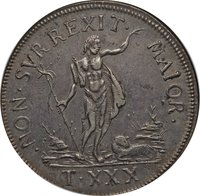
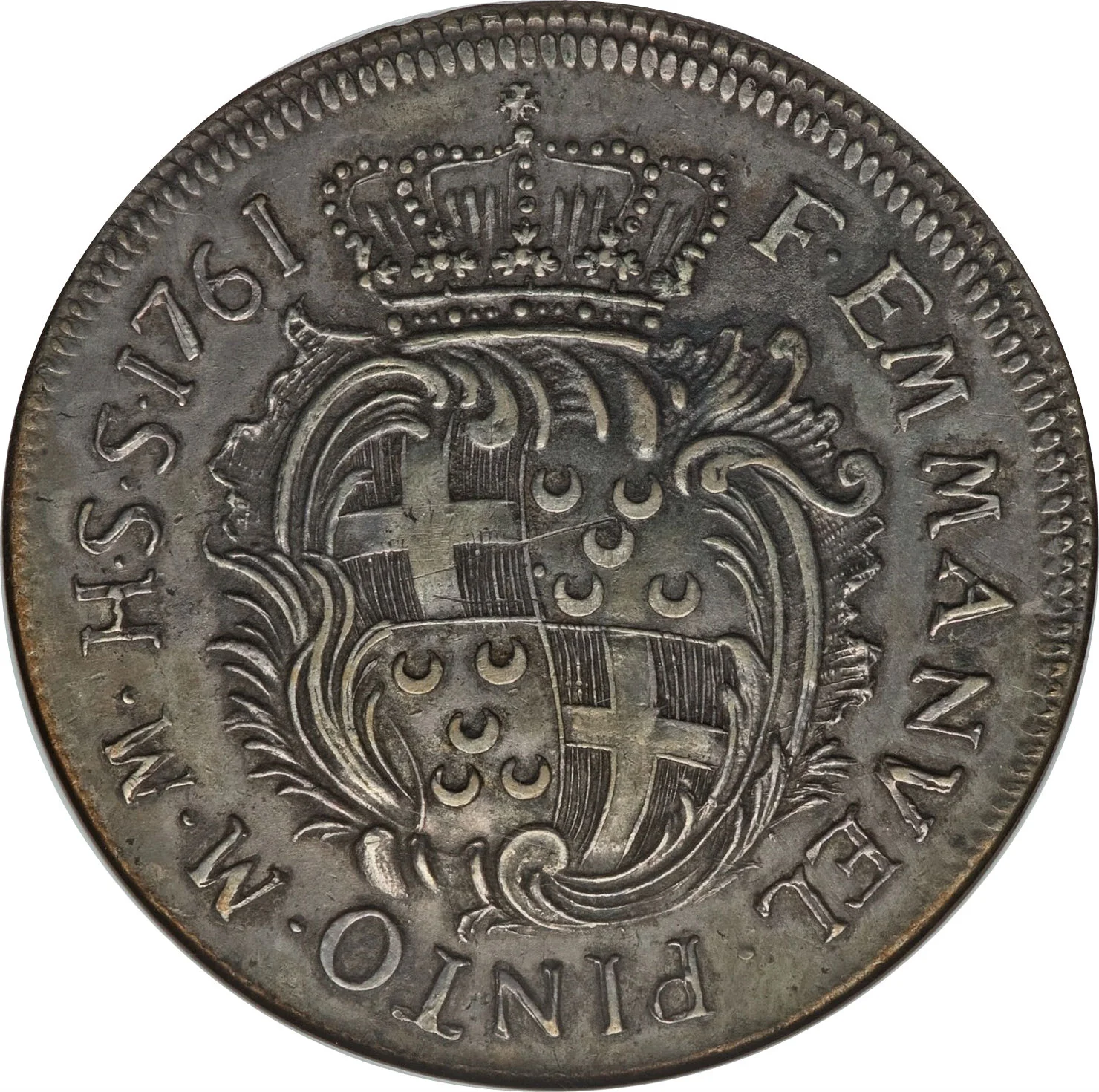
Obverse
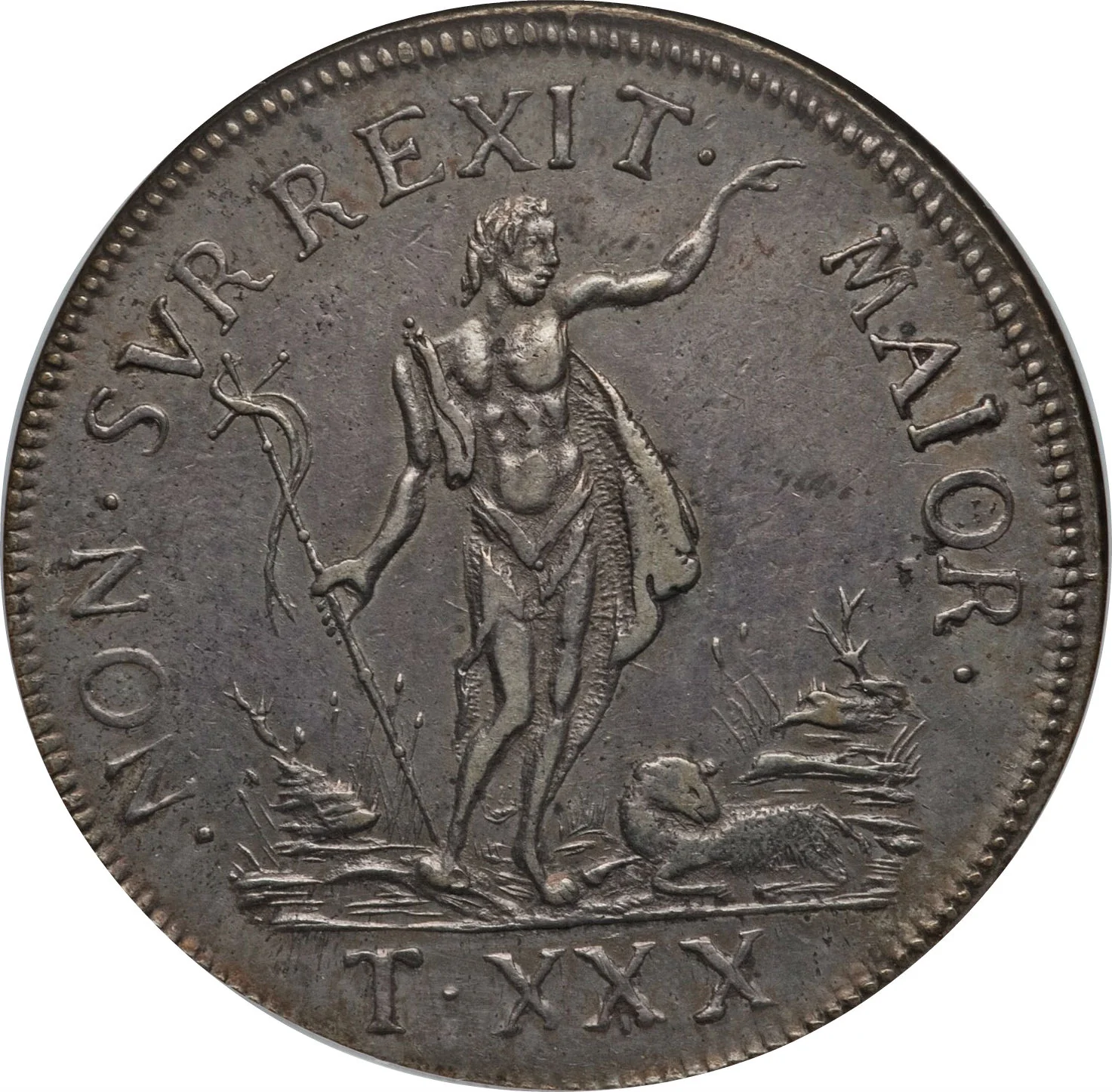
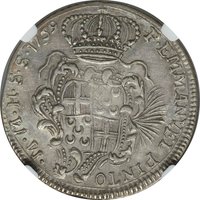
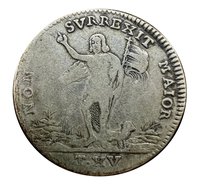
Reverse
Description:
Banner on cross in right hand.
Inscription:
NON · SVR REXIT· MAIOR ·
T · XXX
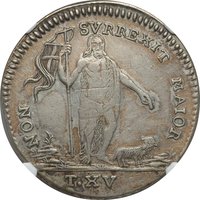
T · XXX
Script: Latin
Edge
Mintings
| Year | Mint Mark | Mintage | Quality | Collection |
|---|---|---|---|---|
| 1759 | — | — | ||
| 1761 | — | — |
Historical background
In 1759, Malta's currency situation was complex and strained, reflecting its position as a crucial trading hub under the rule of the Sovereign Military Order of St. John. The primary circulating coinage was a heterogeneous mix of foreign silver, particularly Spanish pieces of eight (reales) and their fractional parts, alongside a limited issue of local copper coins minted by the Order. This reliance on external specie made the economy vulnerable to the fluctuating supply and quality of imported coin, leading to frequent shortages of small change that disrupted daily commerce and exacerbated inflation.
The Order attempted to regulate this system by officially tariffing foreign coins at fixed values in the local accounting units of scudi, tari, and grani. However, the intrinsic value of the silver in popular coins like the Spanish dollar often exceeded their official tariff, causing them to be hoarded or exported. This practice, following Gresham's Law, left the Maltese islands with a diminished and often debased circulating medium. The situation was further complicated by the widespread circulation of counterfeit coins and the clipping of silver pieces, which eroded public trust in the currency.
Recognising the crisis, Grand Master Manuel Pinto de Fonseca (reign 1741-1773) took decisive action in the late 1750s. In 1759, he specifically addressed the chronic small-change problem by authorising a substantial new minting of copper grani coins at the Order's Zecca in Valletta. This injection of officially sanctioned fractional currency aimed to stabilise the lower end of the market, facilitate everyday transactions, and assert the Order's monetary authority. While not a complete solution, this move marked a critical step in managing the archipelago's persistent currency challenges.
The Order attempted to regulate this system by officially tariffing foreign coins at fixed values in the local accounting units of scudi, tari, and grani. However, the intrinsic value of the silver in popular coins like the Spanish dollar often exceeded their official tariff, causing them to be hoarded or exported. This practice, following Gresham's Law, left the Maltese islands with a diminished and often debased circulating medium. The situation was further complicated by the widespread circulation of counterfeit coins and the clipping of silver pieces, which eroded public trust in the currency.
Recognising the crisis, Grand Master Manuel Pinto de Fonseca (reign 1741-1773) took decisive action in the late 1750s. In 1759, he specifically addressed the chronic small-change problem by authorising a substantial new minting of copper grani coins at the Order's Zecca in Valletta. This injection of officially sanctioned fractional currency aimed to stabilise the lower end of the market, facilitate everyday transactions, and assert the Order's monetary authority. While not a complete solution, this move marked a critical step in managing the archipelago's persistent currency challenges.
✨ Legendary