

Mintings
| Year | Mint Mark | Mintage | Quality | Collection |
|---|---|---|---|---|
| 1743 | — | — | ||
| 1744 | — | — | ||
| 1747 | — | — | ||
| 1750 | — | — | ||
| 1751 | — | — | ||
| 1752 | — | — | ||
| 1753 | — | — | ||
| 1754 | — | — | ||
| 1755 | — | — | ||
| 1757 | — | — | ||
| 1773 | — | — |
Historical background
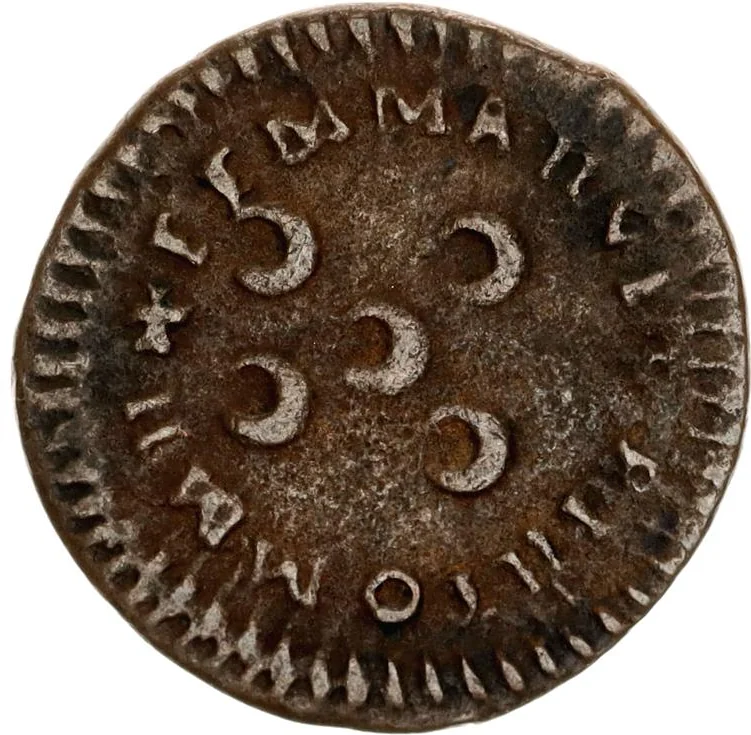
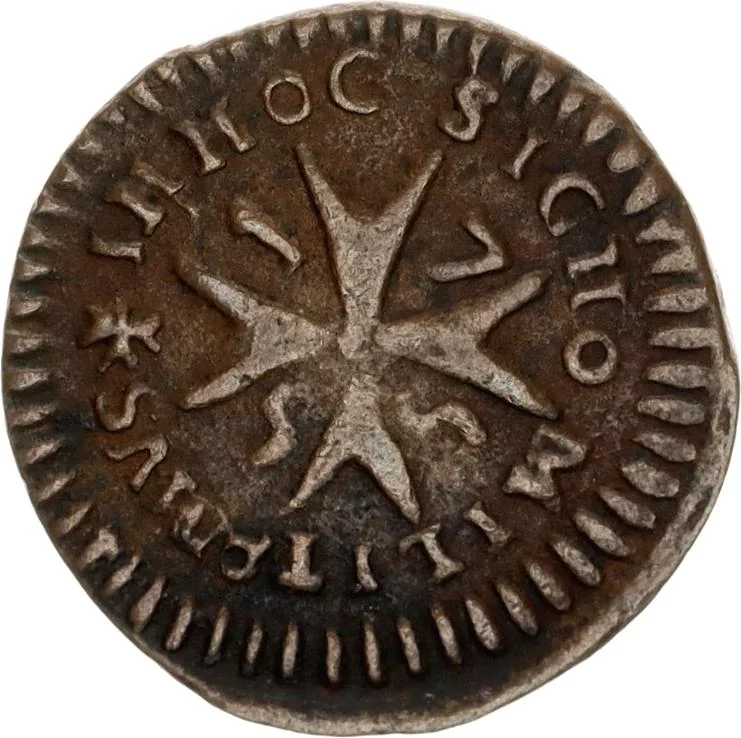
In 1743, Malta's currency situation reflected its unique position as a strategic Mediterranean hub under the rule of the Knights of St. John. The islands operated on a complex bimetallic system, but one plagued by severe instability. The primary circulating coins were the Maltese scudo and its subdivisions (tarì, grani, and piccioli), but these existed alongside a multitude of foreign currencies brought by trade, including Spanish pieces of eight, Venetian sequins, and French écus. This proliferation led to constant exchange rate fluctuations and widespread confusion in commerce.
The core problem was a chronic shortage of official small-denomination coinage, which crippled everyday transactions for the local population. To fill this void, the Knights had repeatedly issued low-value copper coins, but these were easily counterfeited and often debased, leading to inflation and a loss of public trust. Furthermore, the Order's frequent military expenditures and reliance on foreign subsidies meant that sound monetary policy was often sacrificed for short-term fiscal needs, exacerbating the scarcity of reliable specie.
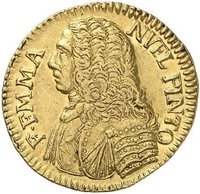
Consequently, by 1743, the monetary landscape was fragmented and inefficient. The economy relied heavily on a cumbersome system of barter for local trade, while larger commerce and government finances navigated the unreliable patchwork of local and foreign coin. This unsatisfactory situation would eventually prompt Grand Master Manuel Pinto da Fonseca to initiate a major currency reform, leading to the landmark issuance of new, standardized silver coinage in 1757 to restore stability and confidence.
The core problem was a chronic shortage of official small-denomination coinage, which crippled everyday transactions for the local population. To fill this void, the Knights had repeatedly issued low-value copper coins, but these were easily counterfeited and often debased, leading to inflation and a loss of public trust. Furthermore, the Order's frequent military expenditures and reliance on foreign subsidies meant that sound monetary policy was often sacrificed for short-term fiscal needs, exacerbating the scarcity of reliable specie.
Consequently, by 1743, the monetary landscape was fragmented and inefficient. The economy relied heavily on a cumbersome system of barter for local trade, while larger commerce and government finances navigated the unreliable patchwork of local and foreign coin. This unsatisfactory situation would eventually prompt Grand Master Manuel Pinto da Fonseca to initiate a major currency reform, leading to the landmark issuance of new, standardized silver coinage in 1757 to restore stability and confidence.
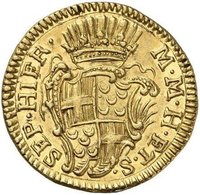
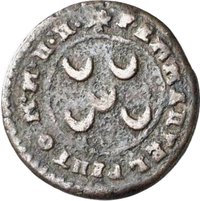
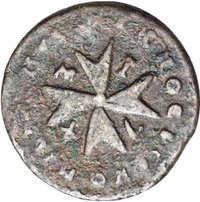
💎 Very Rare