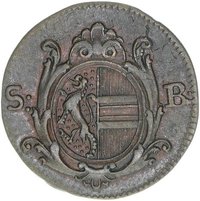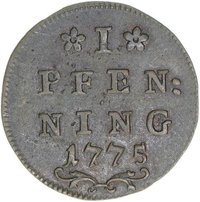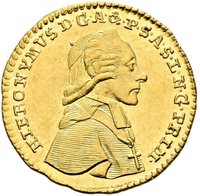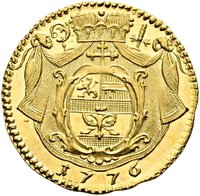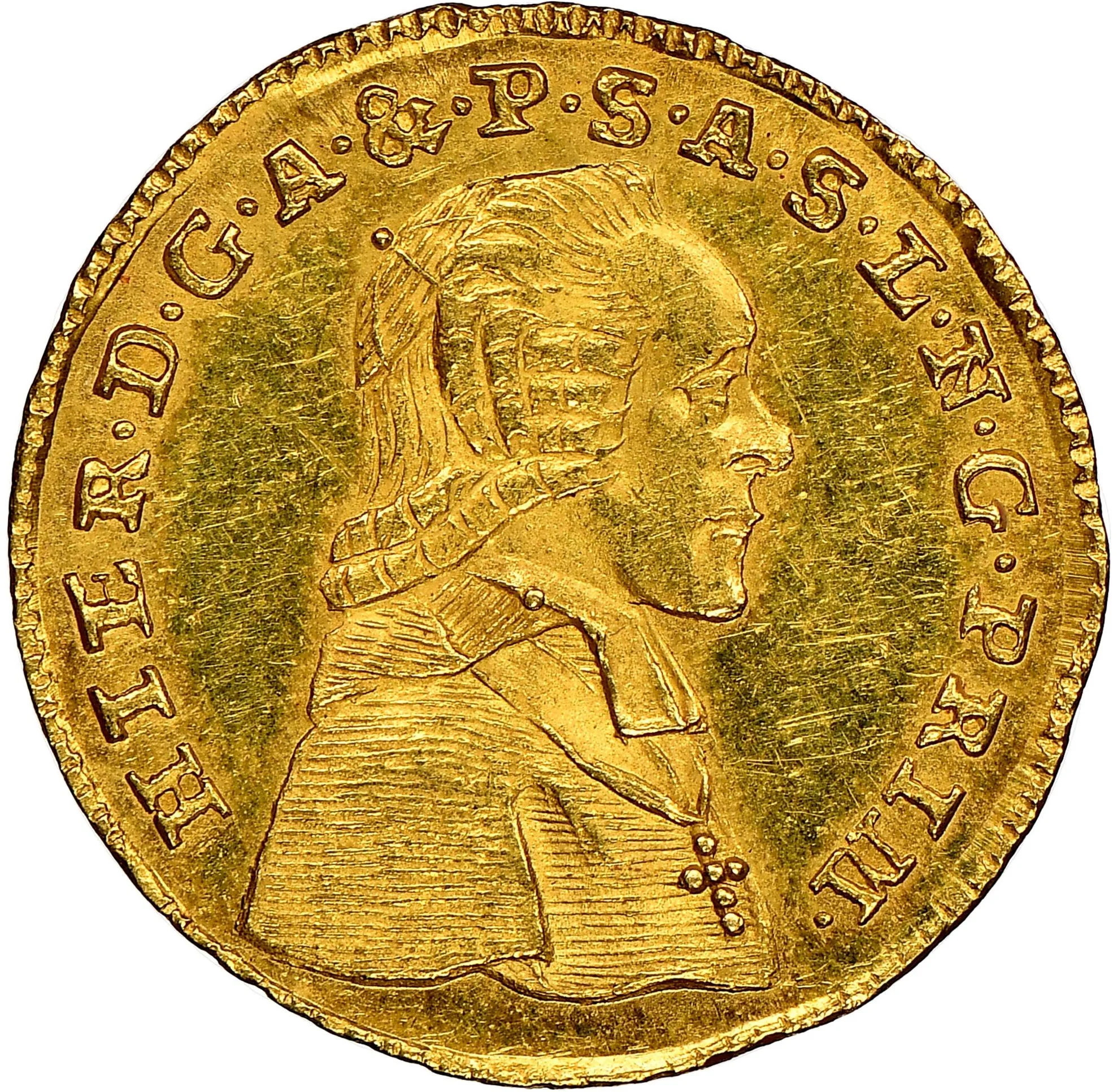
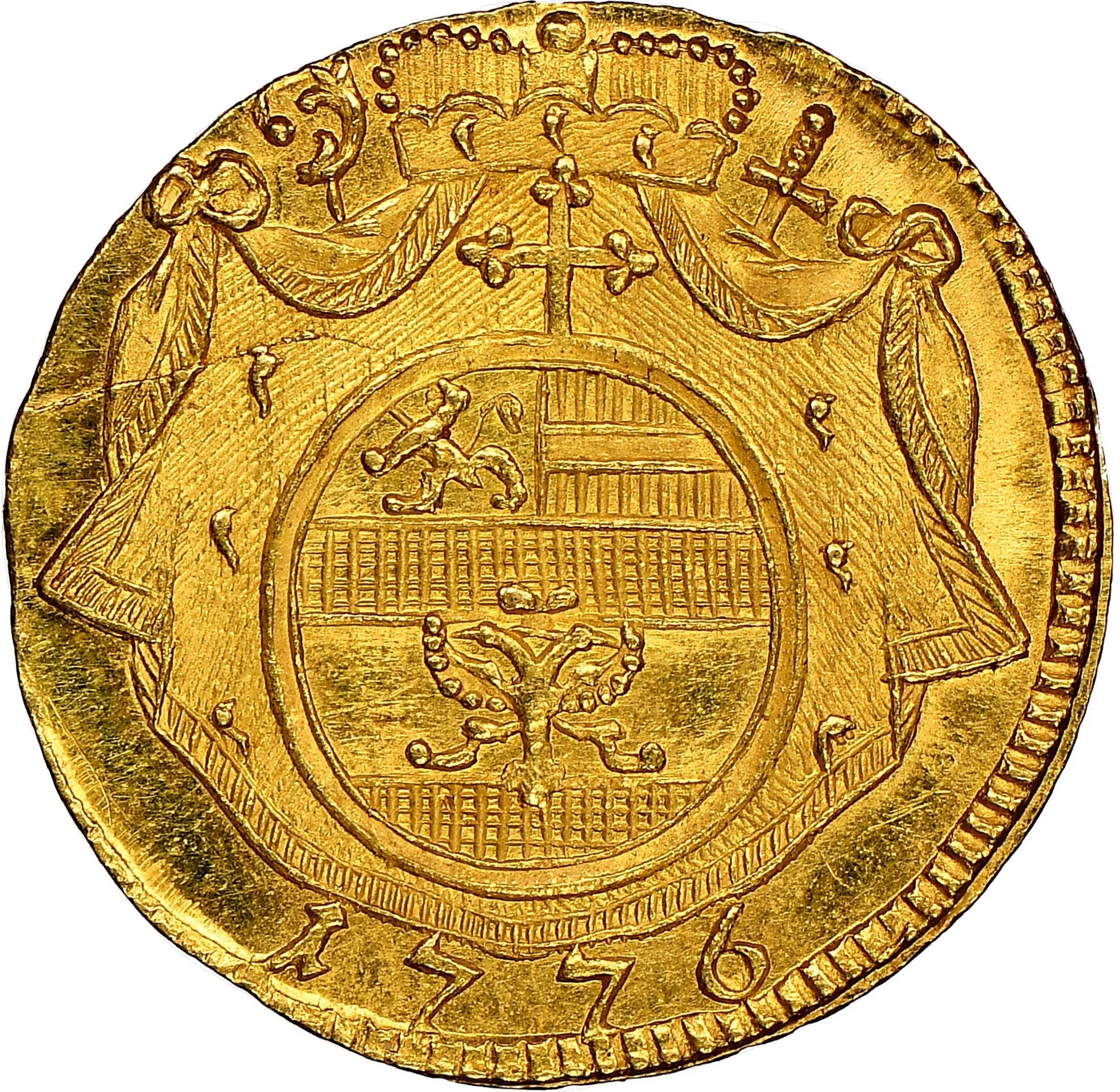
In 1776, the currency situation in the Prince-Archbishopric of Salzburg was complex and fragmented, typical of the Holy Roman Empire's multitude of territorial states. The principality did not possess a unified, modern monetary system but instead operated within a web of regional and supra-regional coinage. The official unit of account was the
Salzburg Gulden (Florin), divided into 60 Kreuzer, but in daily circulation, a multitude of physical coins from neighboring states like Bavaria, Austria, and the Tyrol circulated alongside locally minted coins. This created constant challenges for trade and administration, requiring official exchange lists (
Münzfuß) to define the value of foreign coins against the Salzburg standard.
The monetary policy was heavily influenced by the prince-archbishop, at that time
Hieronymus von Colloredo, a reform-minded ruler in the spirit of the Enlightenment. His administration sought greater control and stability, but Salzburg's economy was relatively small and its minting rights limited. Consequently, the state's fiscal health was often affected by the monetary policies of its larger neighbors, particularly the Habsburg Monarchy. Debasement of coinage in adjacent territories could easily flood the Salzburg market with inferior money, causing inflation and loss of seigniorage revenue, a persistent concern for the treasury.
Overall, the 1776 currency landscape was one of
managed inconsistency. While the government attempted to enforce its official exchange rates and maintain the quality of its own limited coinage, the practical reality for merchants and citizens was a daily calculation involving multiple coin types with fluctuating values. This situation would persist until the seismic political shifts of the early 19th century, when the dissolution of the Prince-Archbishopric in 1803 and its subsequent annexation by Austria in 1816 finally integrated Salzburg into the larger, more standardized Habsburg monetary system.