

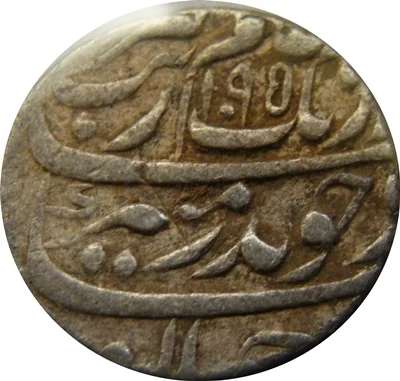
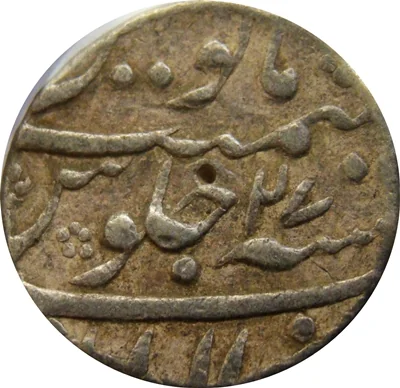
1 Rupee – Mughal Empire
India
Context
Years: 1664–1704
Country: India 
Issuer: Mughal Empire
Ruler: Aurangzeb
Currency:
(1540—1842)
Demonetized: Yes
Material
References
KM: #Click to copy to clipboard300.12
Numista: #93098
Value
Bullion value: $33.25
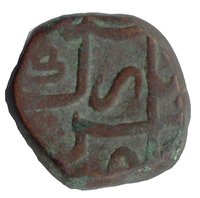
Obverse
Description:
Badr Munir couplet, dated AH.
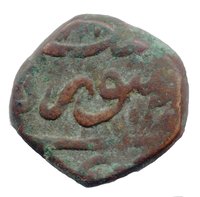
Reverse
Description:
Inscription, regnal year, mint at base.
Edge
Mintings
| Year | Mint Mark | Mintage | Quality | Collection |
|---|---|---|---|---|
| — | — | — | ||
| 1664 | — | — | ||
| 1665 | — | — | ||
| 1666 | — | — | ||
| 1667 | — | — | ||
| 1668 | — | — | ||
| 1675 | — | — | ||
| 1676 | — | — | ||
| 1680 | — | — | ||
| 1683 | — | — | ||
| 1684 | — | — | ||
| 1687 | — | — | ||
| 1688 | — | — | ||
| 1692 | — | — | ||
| 1694 | — | — | ||
| 1695 | — | — | ||
| 1696 | — | — | ||
| 1698 | — | — | ||
| 1700 | — | — | ||
| 1701 | — | — | ||
| 1704 | — | — |
Historical background
In 1664, the Mughal Empire's currency system was a sophisticated and highly regulated bimetallic standard, operating under the authority of the imperial mint (dar al-zarb). The primary circulating coins were the silver rupee (rupaya) and the gold mohur, with a vast quantity of copper dams serving as the essential fractional currency for daily transactions. The system's integrity was a direct reflection of imperial power, as the state maintained strict control over the purity, weight, and design of coins, which bore the name and titles of Emperor Aurangzeb Alamgir, who had been on the throne for six years. The rupee, in particular, had become the stable and dominant unit of account for revenue assessment, large-scale trade, and state finance across the subcontinent.
This monetary stability, however, was under growing strain from both internal and external pressures. A significant challenge was the continuous outflow of silver bullion to pay for imports, particularly luxury goods from the maritime trade with European companies and other Asian regions. While this global trade brought prosperity, it also created a persistent drain on the primary metal backing the currency. Furthermore, the empire's vast size and the practice of granting provincial governors (subahdars) the right to operate mints led to occasional issues of debasement and variability in local coinage, despite central regulations. The sheer volume of copper dams in circulation also made them susceptible to counterfeiting, causing periodic inflationary distress at the grassroots level.
Nevertheless, the currency system in 1664 functioned with remarkable efficiency, facilitating the empire's immense economic activity. The silver rupee's reliability made it a preferred medium not just within Mughal territories but also in international trade across the Indian Ocean. The central treasury's ability to collect land revenue (jizya and kharaj) in standard coin and to pay salaries and military expenses in the same currency cemented its role as the backbone of imperial administration. Thus, while facing underlying vulnerabilities, the Mughal currency in this period remained a powerful instrument of state consolidation and economic integration, reflecting the empire's zenith under Aurangzeb.
This monetary stability, however, was under growing strain from both internal and external pressures. A significant challenge was the continuous outflow of silver bullion to pay for imports, particularly luxury goods from the maritime trade with European companies and other Asian regions. While this global trade brought prosperity, it also created a persistent drain on the primary metal backing the currency. Furthermore, the empire's vast size and the practice of granting provincial governors (subahdars) the right to operate mints led to occasional issues of debasement and variability in local coinage, despite central regulations. The sheer volume of copper dams in circulation also made them susceptible to counterfeiting, causing periodic inflationary distress at the grassroots level.
Nevertheless, the currency system in 1664 functioned with remarkable efficiency, facilitating the empire's immense economic activity. The silver rupee's reliability made it a preferred medium not just within Mughal territories but also in international trade across the Indian Ocean. The central treasury's ability to collect land revenue (jizya and kharaj) in standard coin and to pay salaries and military expenses in the same currency cemented its role as the backbone of imperial administration. Thus, while facing underlying vulnerabilities, the Mughal currency in this period remained a powerful instrument of state consolidation and economic integration, reflecting the empire's zenith under Aurangzeb.
✨ Legendary