

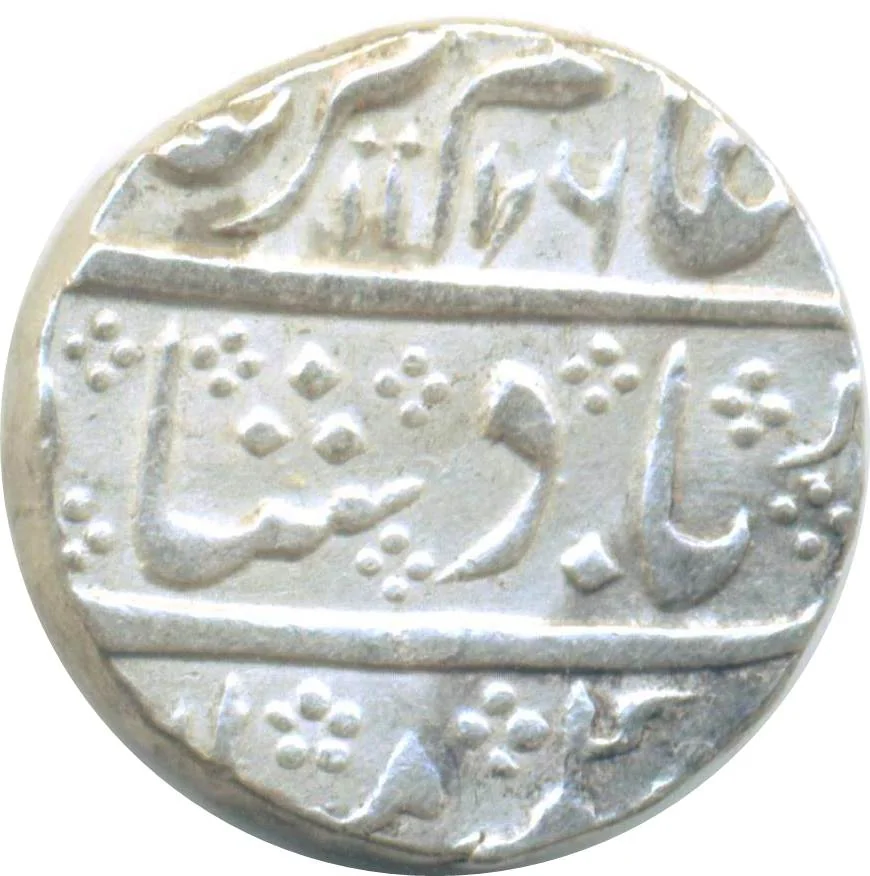
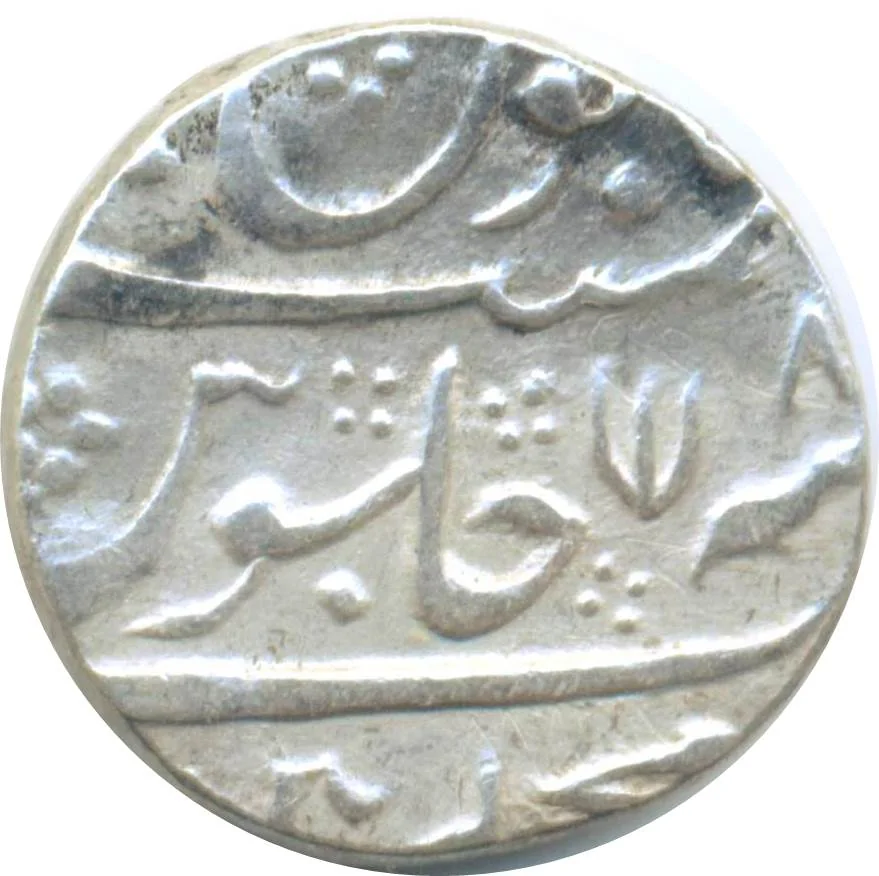
1 Rupee – Madras Presidency
India
Context

Material
Diameter: 21.2 mm
Weight: 11.43 g
Silver weight: 11.43 g
Shape: Irregular round
Composition: Silver
Magnetic: No
References
KM: #Click to copy to clipboard390
Numista: #92455
Value
Bullion value: $32.71
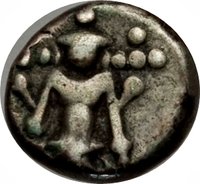
Obverse
Description:
Coins of Emperor Aziz-ud-din Muhammad Alamgir.
Inscription:
١١٧٦
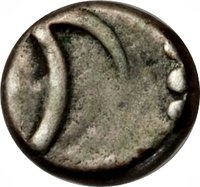
Reverse
Description:
Persian legend
Inscription:
۸
Edge
Plain
Mintings
| Year | Mint Mark | Mintage | Quality | Collection |
|---|---|---|---|---|
| 1763 | — | — | ||
| — | — | — | ||
| 1781 | — | — | ||
| 1783 | — | — | ||
| 1785 | — | — | ||
| 1791 | — | — | ||
| 1797 | — | — | ||
| 1798 | — | — | ||
| 1799 | — | — |
Historical background
In 1763, the currency situation within the Madras Presidency was complex and fragmented, reflecting both the lingering authority of the Mughal Empire and the growing economic influence of the British East India Company. The primary unit of account was the Mughal silver rupee, but its physical circulation was inconsistent due to frequent shortages of specie. This led to a heavy reliance on a plethora of gold pagodas, silver fanams, and copper cash coins from various Indian rulers and European trading companies, creating a chaotic multi-currency system where exchange rates fluctuated wildly by region and even by transaction.
The East India Company, having secured the diwani (revenue rights) for the Northern Circars in 1760, was deeply concerned with this monetary instability as it hampered predictable revenue collection and trade. Company attempts to introduce standardized currencies, like the "Arcot rupee," competed with the already circulating "Madras rupee" and the currencies of other European settlements. Furthermore, the Presidency was plagued by rampant coin clipping, counterfeiting, and the circulation of old, worn coins, which eroded trust in the monetary system and complicated all commercial and administrative exchanges.
Consequently, the year 1763 represents a period of monetary transition and frustration. While the Mughal framework nominally persisted, the Company's increasing political control was not yet matched by a unified monetary authority. The chaotic currency environment acted as a significant brake on economic activity and administration, highlighting a critical problem the Company would spend the subsequent decades trying to solve through increased coinage, mint control, and the eventual imposition of a standardized rupee.
The East India Company, having secured the diwani (revenue rights) for the Northern Circars in 1760, was deeply concerned with this monetary instability as it hampered predictable revenue collection and trade. Company attempts to introduce standardized currencies, like the "Arcot rupee," competed with the already circulating "Madras rupee" and the currencies of other European settlements. Furthermore, the Presidency was plagued by rampant coin clipping, counterfeiting, and the circulation of old, worn coins, which eroded trust in the monetary system and complicated all commercial and administrative exchanges.
Consequently, the year 1763 represents a period of monetary transition and frustration. While the Mughal framework nominally persisted, the Company's increasing political control was not yet matched by a unified monetary authority. The chaotic currency environment acted as a significant brake on economic activity and administration, highlighting a critical problem the Company would spend the subsequent decades trying to solve through increased coinage, mint control, and the eventual imposition of a standardized rupee.
✨ Legendary