

Switzerland

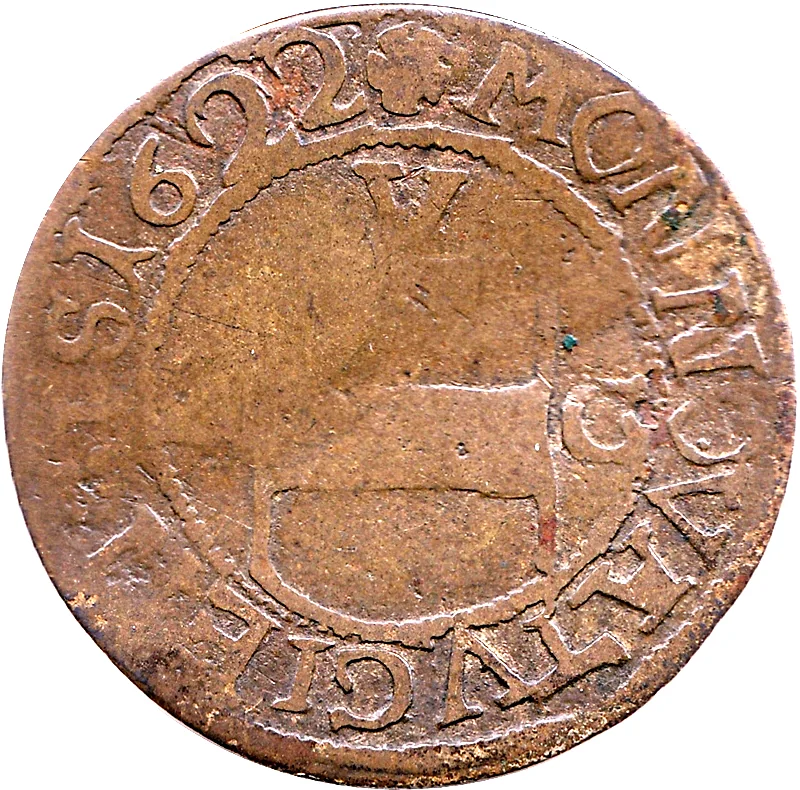
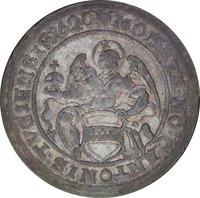
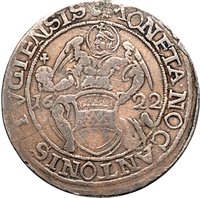
Obverse
Description:
ZVG near shield. Date in legend.
Inscription:
*MON NOVA TVGIENSIS 1622
V
Z G
V
Z G
Script: Latin
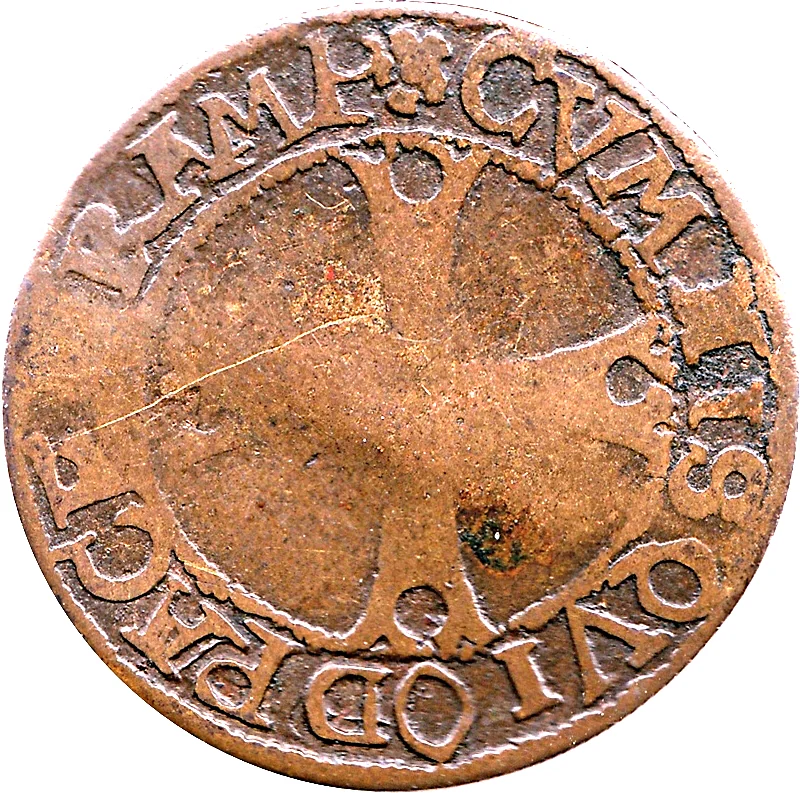
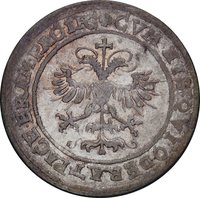
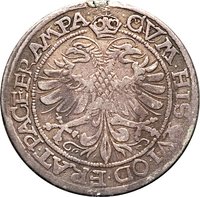
Reverse
Edge
Mintings
| Year | Mint Mark | Mintage | Quality | Collection |
|---|---|---|---|---|
| 1621 | — | — | ||
| 1622 | — | — |
Historical background
In 1621, the Swiss canton of Zug, like much of Europe, was grappling with a severe monetary crisis rooted in the chaotic state of its currency. The primary cause was the widespread debasement of coinage, a practice where ruling authorities reduced the precious metal content in coins while maintaining their face value. This was not solely Zug's doing; neighboring cantons and the Holy Roman Empire were all engaging in competitive devaluations to finance their expenditures, particularly for the escalating costs of the Thirty Years' War (1618-1648). The result was a flood of under-valued, poor-quality coins circulating in Zug's markets, driving out the older, full-weight coins (Gresham's Law).
The situation created profound economic instability for Zug's citizens and authorities. Prices for essential goods became volatile and inflated, as merchants lost confidence in the stated value of the coins. This eroded public trust, hampered daily trade, and created uncertainty for both peasants and local craftsmen. Furthermore, Zug's position on important trade routes meant it was inundated with a confusing mix of foreign and domestic currencies of varying worth, making simple transactions fraught with difficulty and the risk of being swindled.
In response, the authorities of the Alte Eidgenossenschaft (Old Swiss Confederacy) attempted coordinated action. In 1621, the Tagsatzung (the federal diet) specifically addressed the "Zuger Münzhandel" (Zug coin affair) and other cantonal debasements. They sought to establish binding ordinances to standardize and stabilize the coinage across the confederacy, aiming to halt the race to the bottom. However, the sovereignty of each canton over its own minting rights made enforcement extremely difficult. Thus, while 1621 represents a year of recognized crisis and attempted federal intervention, a true and lasting resolution for Zug remained elusive amidst the wider European turmoil.
The situation created profound economic instability for Zug's citizens and authorities. Prices for essential goods became volatile and inflated, as merchants lost confidence in the stated value of the coins. This eroded public trust, hampered daily trade, and created uncertainty for both peasants and local craftsmen. Furthermore, Zug's position on important trade routes meant it was inundated with a confusing mix of foreign and domestic currencies of varying worth, making simple transactions fraught with difficulty and the risk of being swindled.
In response, the authorities of the Alte Eidgenossenschaft (Old Swiss Confederacy) attempted coordinated action. In 1621, the Tagsatzung (the federal diet) specifically addressed the "Zuger Münzhandel" (Zug coin affair) and other cantonal debasements. They sought to establish binding ordinances to standardize and stabilize the coinage across the confederacy, aiming to halt the race to the bottom. However, the sovereignty of each canton over its own minting rights made enforcement extremely difficult. Thus, while 1621 represents a year of recognized crisis and attempted federal intervention, a true and lasting resolution for Zug remained elusive amidst the wider European turmoil.
💎 Extremely Rare