

1 royalin – Danish India
Add to wishlist
India
Context
Years: 1756–1766
Country: India
Issuer: Danish India
Ruler: Frederick V
Currency:
(1730—1818)
Demonetized: Yes
Material
References
KM: #
Numista: #87843
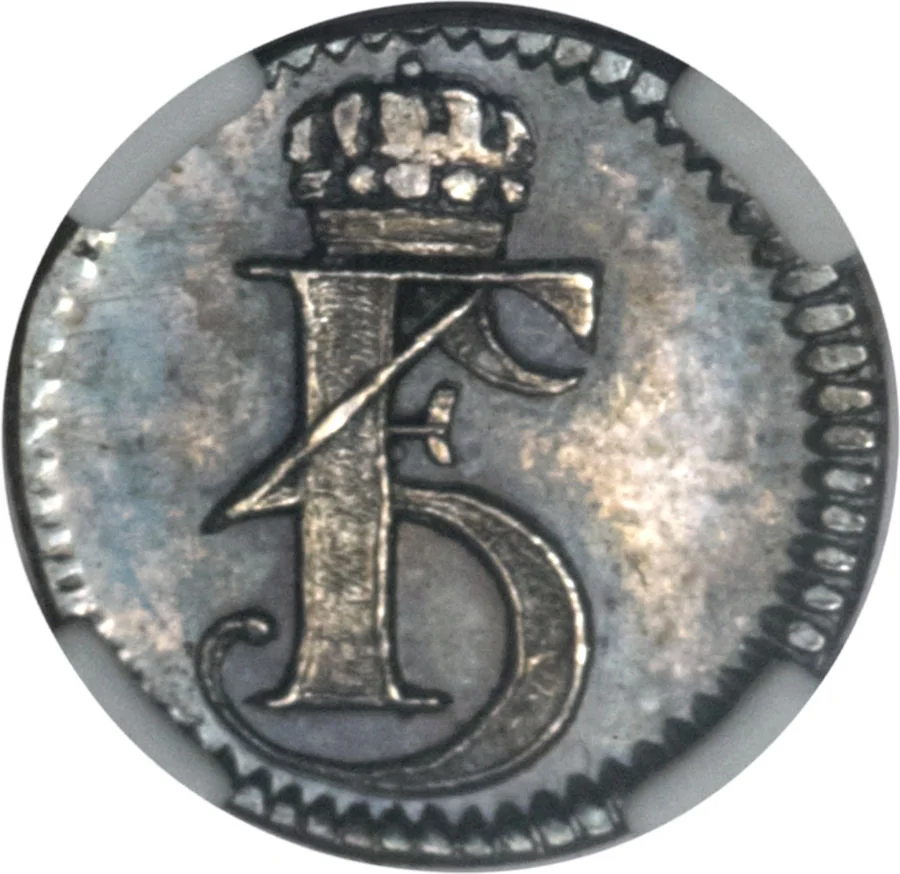
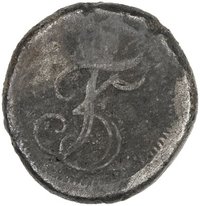
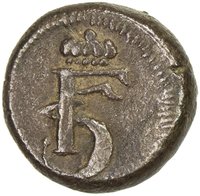
Obverse
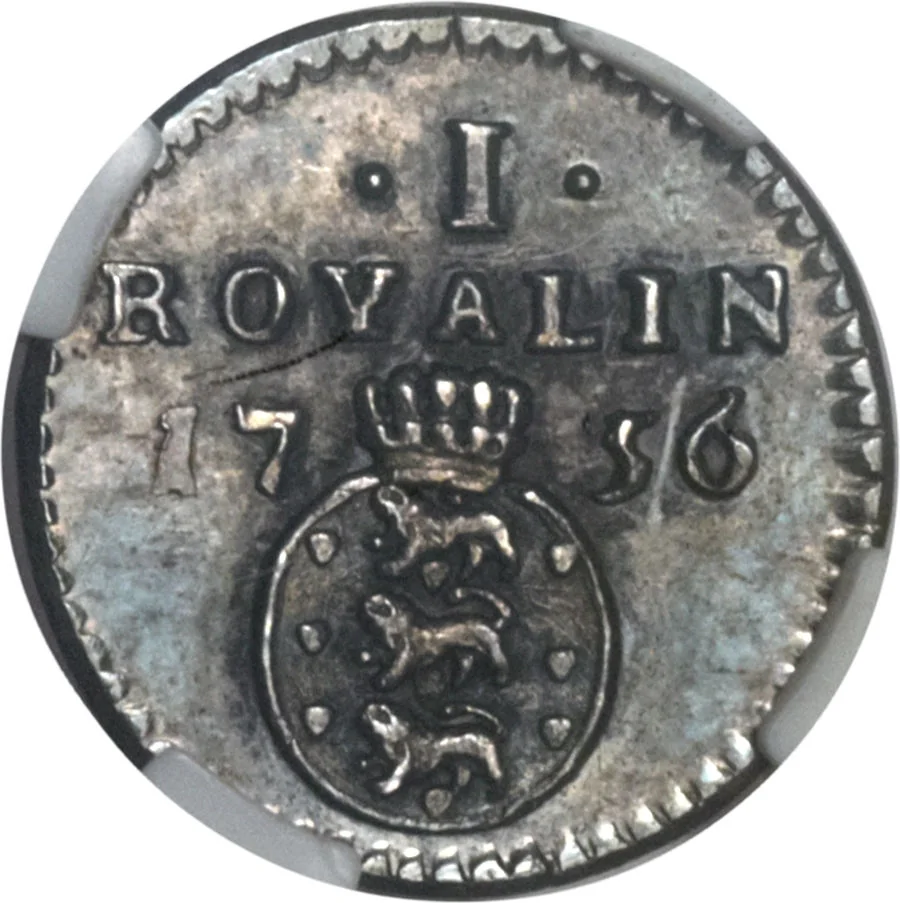
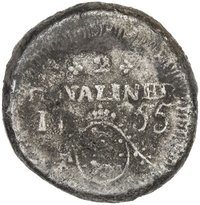
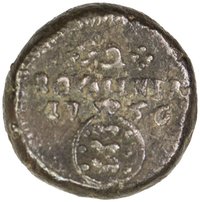
Reverse
Edge
Mintings
| Year | Mint Mark | Mintage | Quality | Collection |
|---|---|---|---|---|
| 1756 | — | — | ||
| 1762 | — | — | ||
| 1763 | — | — | ||
| 1764 | — | — | ||
| 1765 | — | — | ||
| 1766 | — | — |
Historical background
In 1756, the currency situation in Danish India, centered on the small coastal enclaves of Tranquebar (Tharangambadi) and Serampore (Frederiksnagore), was complex and largely dictated by external economic forces. The Danish Asiatic Company, operating with limited capital and influence, did not issue a dominant local coinage for regional trade. Instead, the economy functioned on a multi-currency system dominated by the silver rix-dollar (riksdaler), which served as the official accounting unit for company books and larger transactions. However, the actual coins circulating in the bazaars were overwhelmingly foreign, reflecting India's integrated commercial landscape.
The most prevalent circulating currencies were those of Denmark's powerful European rivals and Indian states. Silver Spanish American 8 reales (pieces of eight) and Dutch rijksdaalders were widely used for substantial trade, while smaller transactions relied on a plethora of lower-value coins. These included French fanams, Portuguese tangas, and various South Indian gold pagodas and silver rupees from neighboring Mughal and successor states. This created a constant need for assayers and money-changers, as values fluctuated based on metallic weight, purity, and the ever-shifting exchange rates between gold-based Indian coins and silver-based European ones.
This monetary heterogeneity presented significant administrative and commercial challenges for Danish authorities. It complicated tax collection, led to revenue losses from exchange arbitrage, and reflected Denmark's weak position in the subcontinent. Essentially, Denmark administered territories but exercised little control over their monetary ecology, which was shaped by the tides of intra-Asian trade and the inflow of New World silver through other European companies. The situation underscored that Danish India was a minor player in a vast, pre-existing economic network where currency was pragmatic, international, and beyond any single colony's full control.
The most prevalent circulating currencies were those of Denmark's powerful European rivals and Indian states. Silver Spanish American 8 reales (pieces of eight) and Dutch rijksdaalders were widely used for substantial trade, while smaller transactions relied on a plethora of lower-value coins. These included French fanams, Portuguese tangas, and various South Indian gold pagodas and silver rupees from neighboring Mughal and successor states. This created a constant need for assayers and money-changers, as values fluctuated based on metallic weight, purity, and the ever-shifting exchange rates between gold-based Indian coins and silver-based European ones.
This monetary heterogeneity presented significant administrative and commercial challenges for Danish authorities. It complicated tax collection, led to revenue losses from exchange arbitrage, and reflected Denmark's weak position in the subcontinent. Essentially, Denmark administered territories but exercised little control over their monetary ecology, which was shaped by the tides of intra-Asian trade and the inflow of New World silver through other European companies. The situation underscored that Danish India was a minor player in a vast, pre-existing economic network where currency was pragmatic, international, and beyond any single colony's full control.
✨ Legendary