

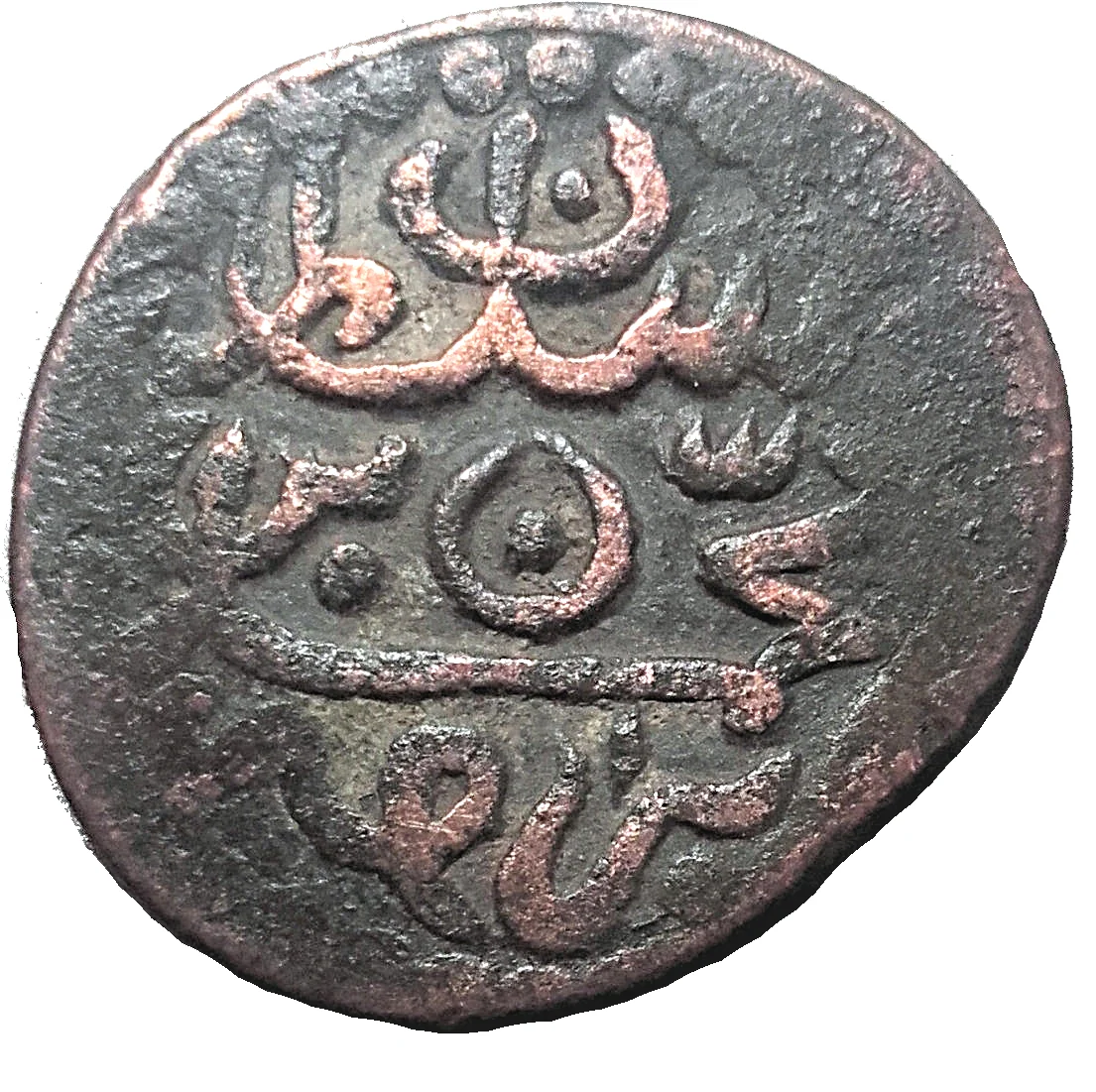
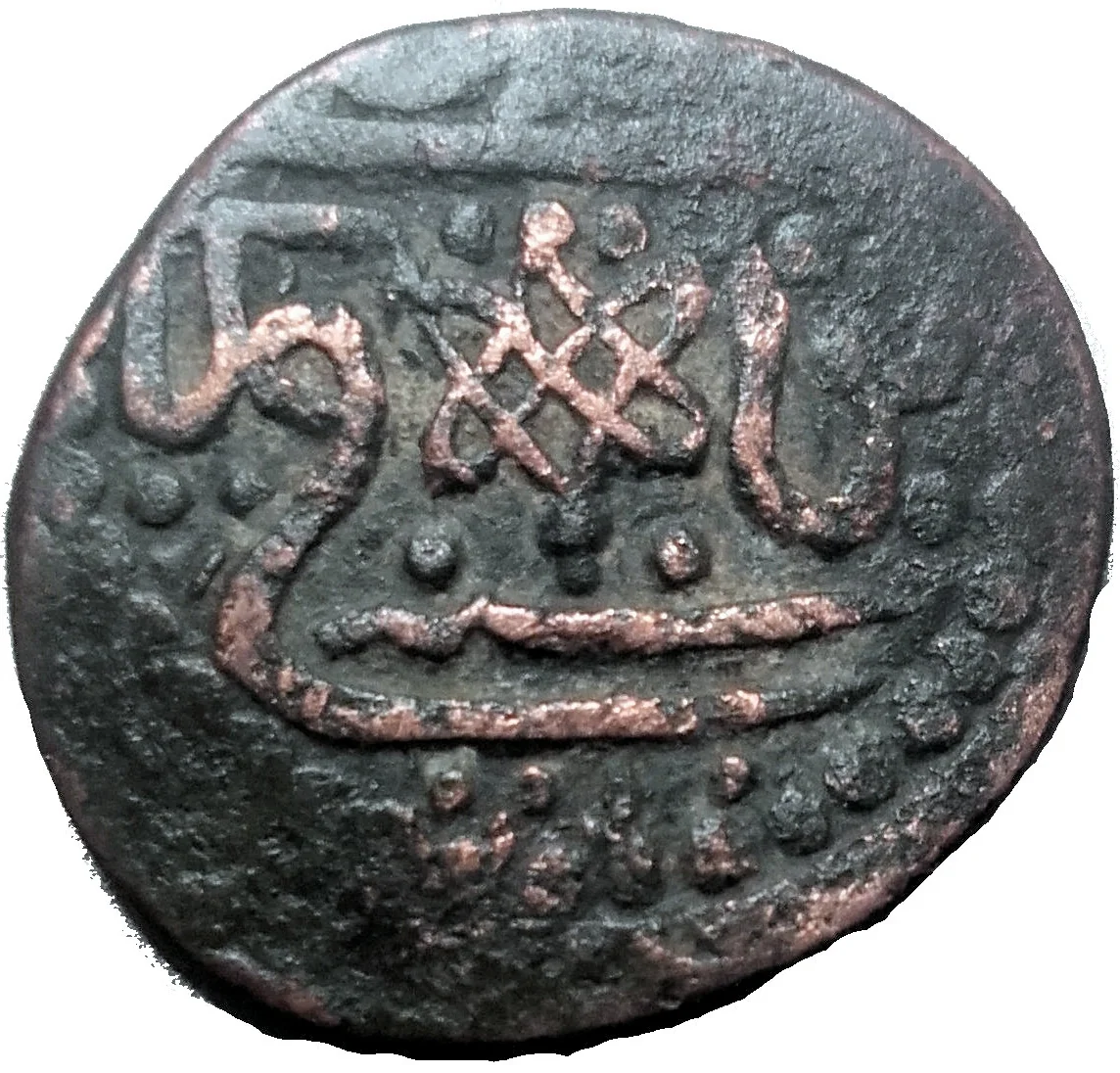
3 Qafsi – Eyalet of Tunis
Tunisia
Context
Years: 1648–1684
Country: Tunisia 
Issuer: Eyalet of Tunis
Ruler: Mehmed IV
Currency:
(1567—1891)
Demonetized: Yes
Material
Diameter: 17 mm
Weight: 2.4 g
Thickness: 1.7 mm
Shape: Irregular round
Composition: Copper
Magnetic: No
References
KM: #Click to copy to clipboard22
Numista: #86238
Obverse
Reverse
Edge
Mintings
| Year | Mint Mark | Mintage | Quality | Collection |
|---|---|---|---|---|
| 1648 | — | — | ||
| — | — | — | ||
| 1650 | — | — | ||
| 1656 | — | — | ||
| 1657 | — | — | ||
| 1658 | — | — | ||
| 1670 | — | — | ||
| 1675 | — | — | ||
| 1676 | — | — | ||
| 1677 | — | — | ||
| 1678 | — | — | ||
| 1679 | — | — | ||
| 1681 | — | — | ||
| 1684 | — | — |
Historical background
In 1648, the Eyalet of Tunis, a semi-autonomous province of the Ottoman Empire, operated within a complex and often strained monetary system. The official currency was the Ottoman akçe, a small silver coin, but its supply was irregular and its value frequently debased by the central mint in Istanbul. This created a chronic shortage of reliable, high-value specie necessary for large-scale trade and state finance. Consequently, the economy relied heavily on a circulation of diverse foreign coins, most notably the Spanish real and its larger derivative, the piece of eight, which served as the de facto standard for international commerce due to their consistent silver content.
This monetary pluralism presented significant challenges for the local Muradid dynasty, which governed in the Sultan's name. The Bey’s administration had to constantly reckon exchange rates between Ottoman issues, Spanish coins, and other European currencies like Venetian ducats, leading to commercial friction and uncertainty. Furthermore, the need to remit annual tribute to Istanbul in sound silver placed additional pressure on the treasury, often requiring the manipulation of local coinage or the hoarding of the best foreign specie, which further distorted the domestic economy.
The situation was exacerbated by Tunisia’s vibrant but vulnerable position in Mediterranean trade. Piracy and corsair activity, a significant source of state revenue, brought inflows of captured foreign coin, but this was unpredictable. Ultimately, the currency landscape of 1648 Tunis reflected its political reality: a province caught between Ottoman sovereignty, European economic influence, and local dynastic ambition, all mediated through an unstable and heterogeneous mix of metal.
This monetary pluralism presented significant challenges for the local Muradid dynasty, which governed in the Sultan's name. The Bey’s administration had to constantly reckon exchange rates between Ottoman issues, Spanish coins, and other European currencies like Venetian ducats, leading to commercial friction and uncertainty. Furthermore, the need to remit annual tribute to Istanbul in sound silver placed additional pressure on the treasury, often requiring the manipulation of local coinage or the hoarding of the best foreign specie, which further distorted the domestic economy.
The situation was exacerbated by Tunisia’s vibrant but vulnerable position in Mediterranean trade. Piracy and corsair activity, a significant source of state revenue, brought inflows of captured foreign coin, but this was unpredictable. Ultimately, the currency landscape of 1648 Tunis reflected its political reality: a province caught between Ottoman sovereignty, European economic influence, and local dynastic ambition, all mediated through an unstable and heterogeneous mix of metal.
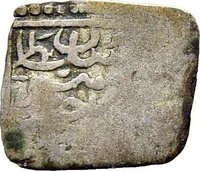
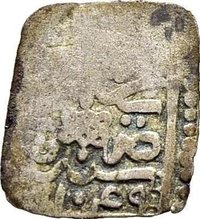
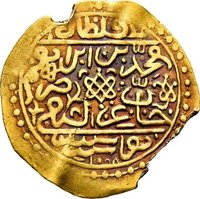
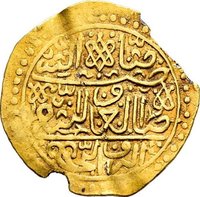
💎 Extremely Rare