

1 Goldgulden – Brunswick-Lüneburg-Calenberg-Hannover
Germany

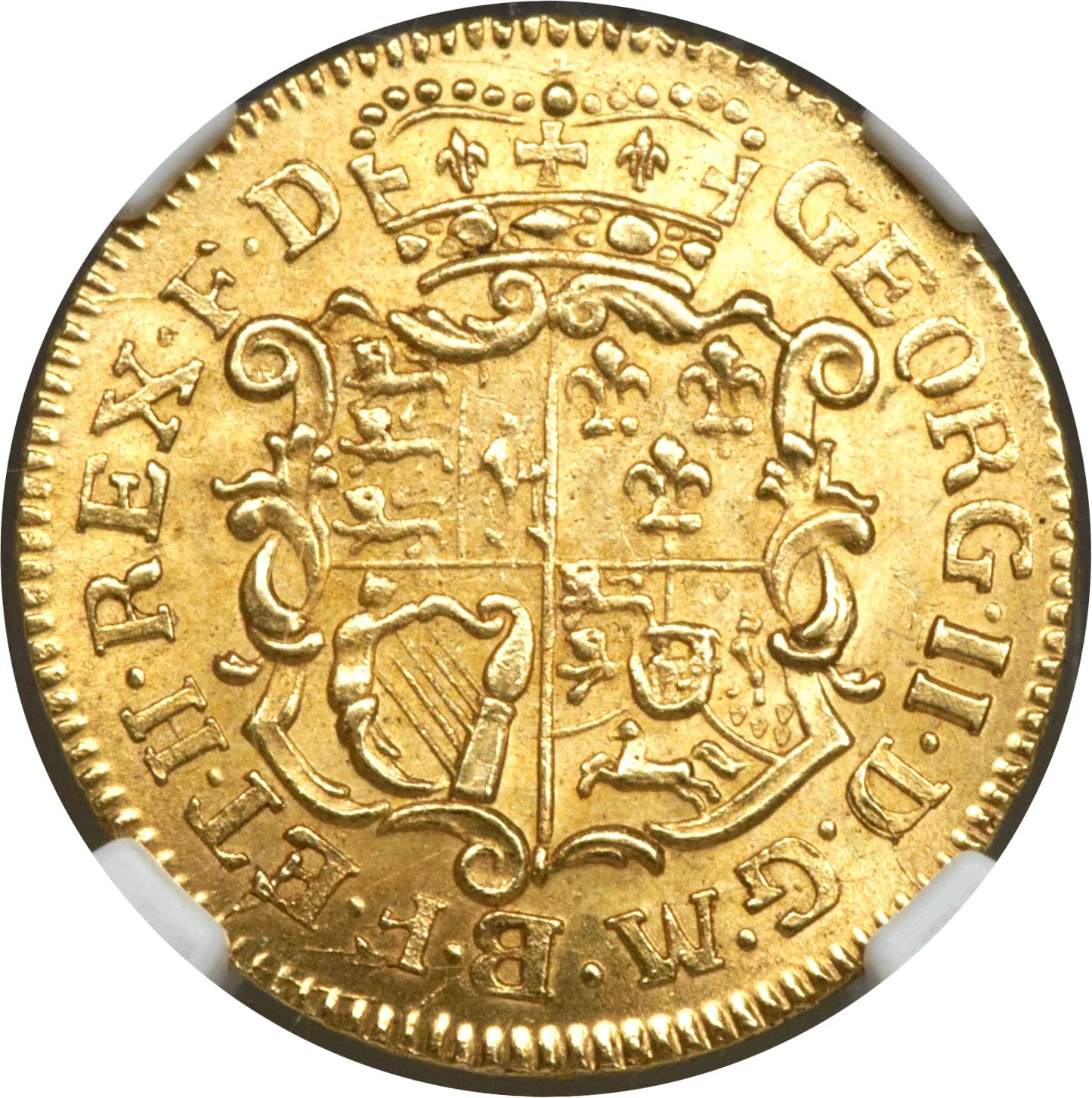
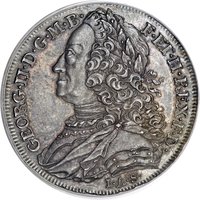
Obverse
Description:
Quartered arms in a baroque shield.
Inscription:
GEORG.II.D.G.M.B.F.ET.H.REX.F.D
Script: Latin
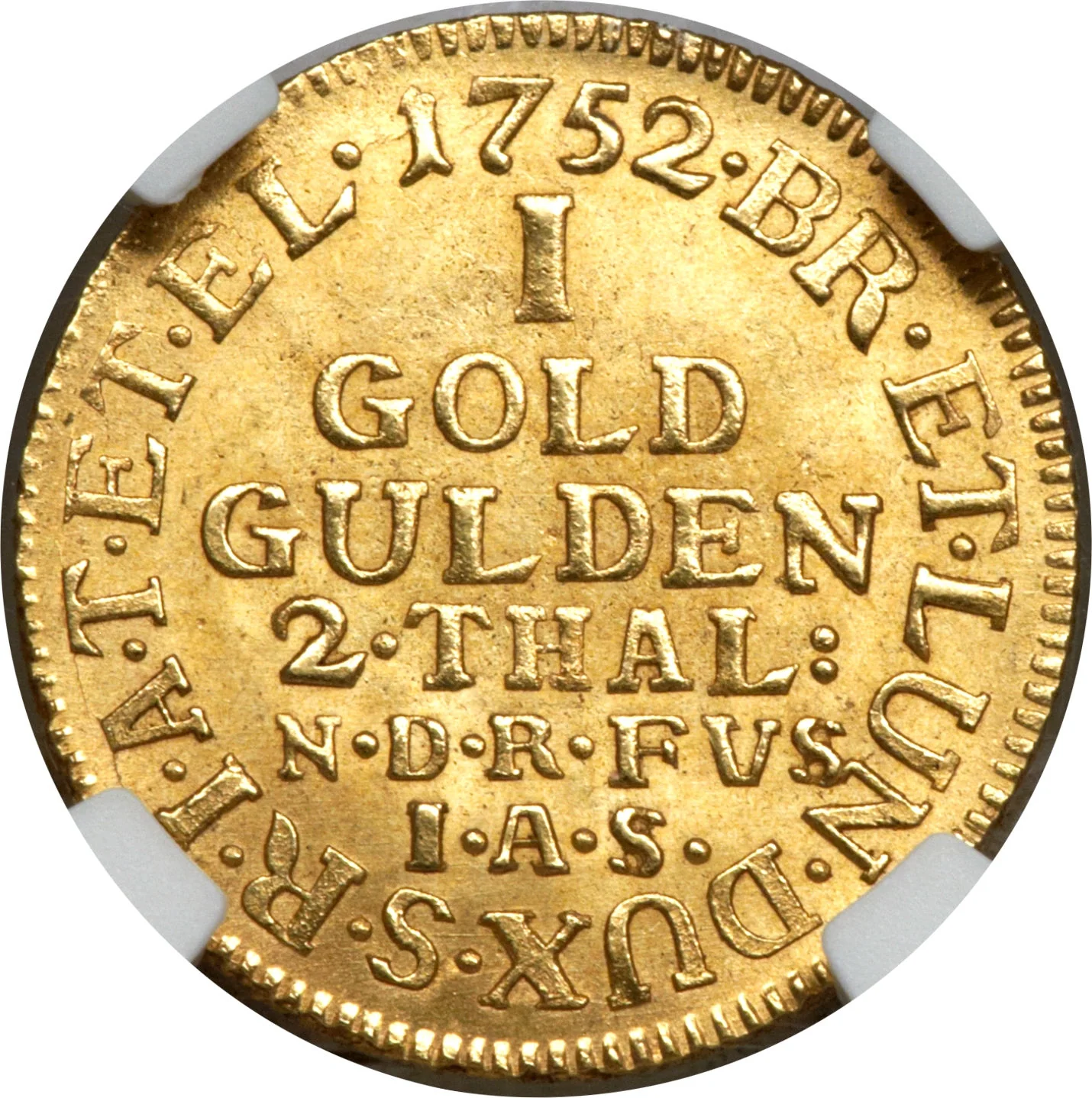
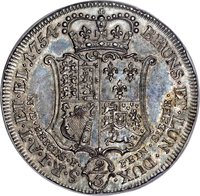
Reverse
Description:
Value, date
Inscription:
I // GOLD // GULDEN // 2.THAL: // N.D.R.FVS // I.A.S.
BR.ET.LUN.DUX.S.R.I.A.T.ET.EL.1752.
BR.ET.LUN.DUX.S.R.I.A.T.ET.EL.1752.
Script: Latin
Edge
Mintings
| Year | Mint Mark | Mintage | Quality | Collection |
|---|---|---|---|---|
| 1751 | S | — | ||
| 1752 | IAS | — | ||
| 1752 | S | — | ||
| 1753 | IAS | — | ||
| 1754 | IAS | — | ||
| 1754 | S | — | ||
| 1755 | IAS | — | ||
| 1755 | S | — | ||
| 1756 | IAS | — |
Historical background
In 1751, the currency situation in the Duchy of Brunswick-Lüneburg, specifically the Principality of Calenberg (with its capital in Hanover), was complex and fragmented, reflecting the broader monetary disarray of the Holy Roman Empire. The territory did not have a unified, sovereign coinage system. Instead, circulation was dominated by the Reichsthaler, a large silver coin defined by imperial ordinance, and its fractional units like Gutegroschen. However, these coexisted with a plethora of older, debased local coins, foreign currencies (particularly from neighbouring states like Prussia and Brunswick-Wolfenbüttel), and accounting units like the Thaler and Mariengroschen, which complicated everyday trade and state finances.
This monetary confusion was actively being addressed by the ruling prince, who was also the King of Great Britain, George II. The Hanoverian government was in the process of implementing a major currency reform, the "Hanoverian Coinage Standard of 1751" (Hannoversche Münzfuß von 1751). This reform aimed to create order by strictly defining the silver content of coins minted within the principality and tying them firmly to the reliable Reichsthaler standard. The goal was to suppress inferior money and establish a stable, credible currency to facilitate commerce and strengthen state fiscal policy.
Therefore, the year 1751 represents a pivotal moment of transition. While the daily reality for merchants and subjects remained one of navigating multiple coin types and values, the government was actively laying the legal and technical groundwork for a more uniform and stable monetary system. The success of this reform was crucial for Hanover's economic integration and administrative modernization, seeking to replace a legacy of confusion with princely control and monetary clarity.
This monetary confusion was actively being addressed by the ruling prince, who was also the King of Great Britain, George II. The Hanoverian government was in the process of implementing a major currency reform, the "Hanoverian Coinage Standard of 1751" (Hannoversche Münzfuß von 1751). This reform aimed to create order by strictly defining the silver content of coins minted within the principality and tying them firmly to the reliable Reichsthaler standard. The goal was to suppress inferior money and establish a stable, credible currency to facilitate commerce and strengthen state fiscal policy.
Therefore, the year 1751 represents a pivotal moment of transition. While the daily reality for merchants and subjects remained one of navigating multiple coin types and values, the government was actively laying the legal and technical groundwork for a more uniform and stable monetary system. The success of this reform was crucial for Hanover's economic integration and administrative modernization, seeking to replace a legacy of confusion with princely control and monetary clarity.
✨ Legendary