

1 Speciedaler – Norway
Norway
Context
Material
References
KM: #Click to copy to clipboardA41
Numista: #118916
Value
Bullion value: $72.78
Obverse
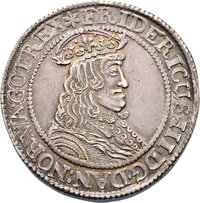
Description:
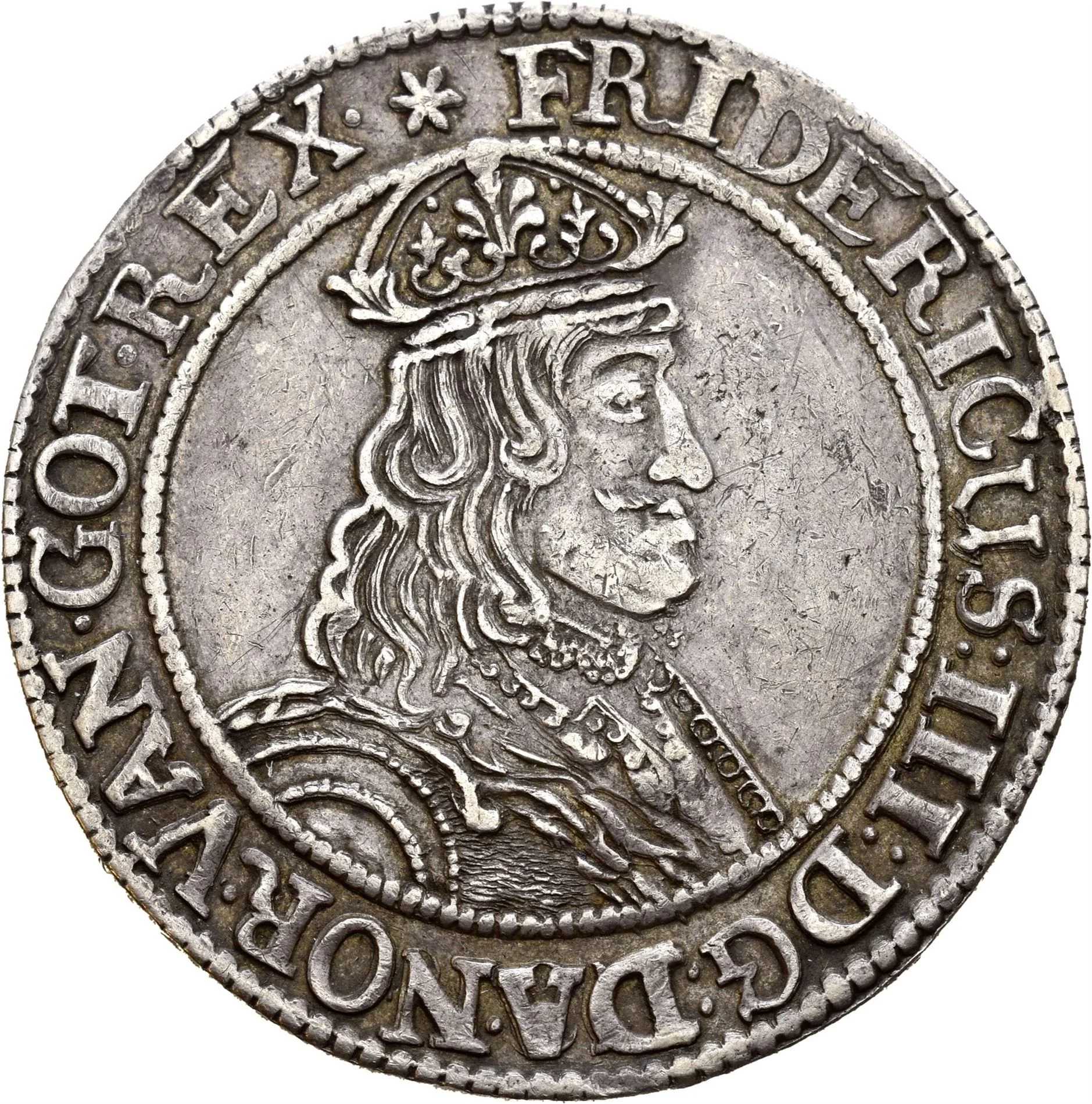
Right-facing crowned bust of Frederick III with long hair within a beaded circle and inscription. Beaded rim.
Inscription:
FRIDERICUS:III:DG:DA·NOR·VAN·GOT·REX·✽
Script: Latin
Reverse
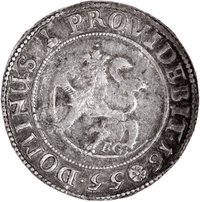
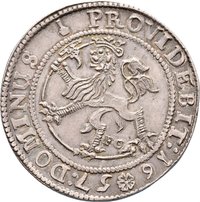
Description:
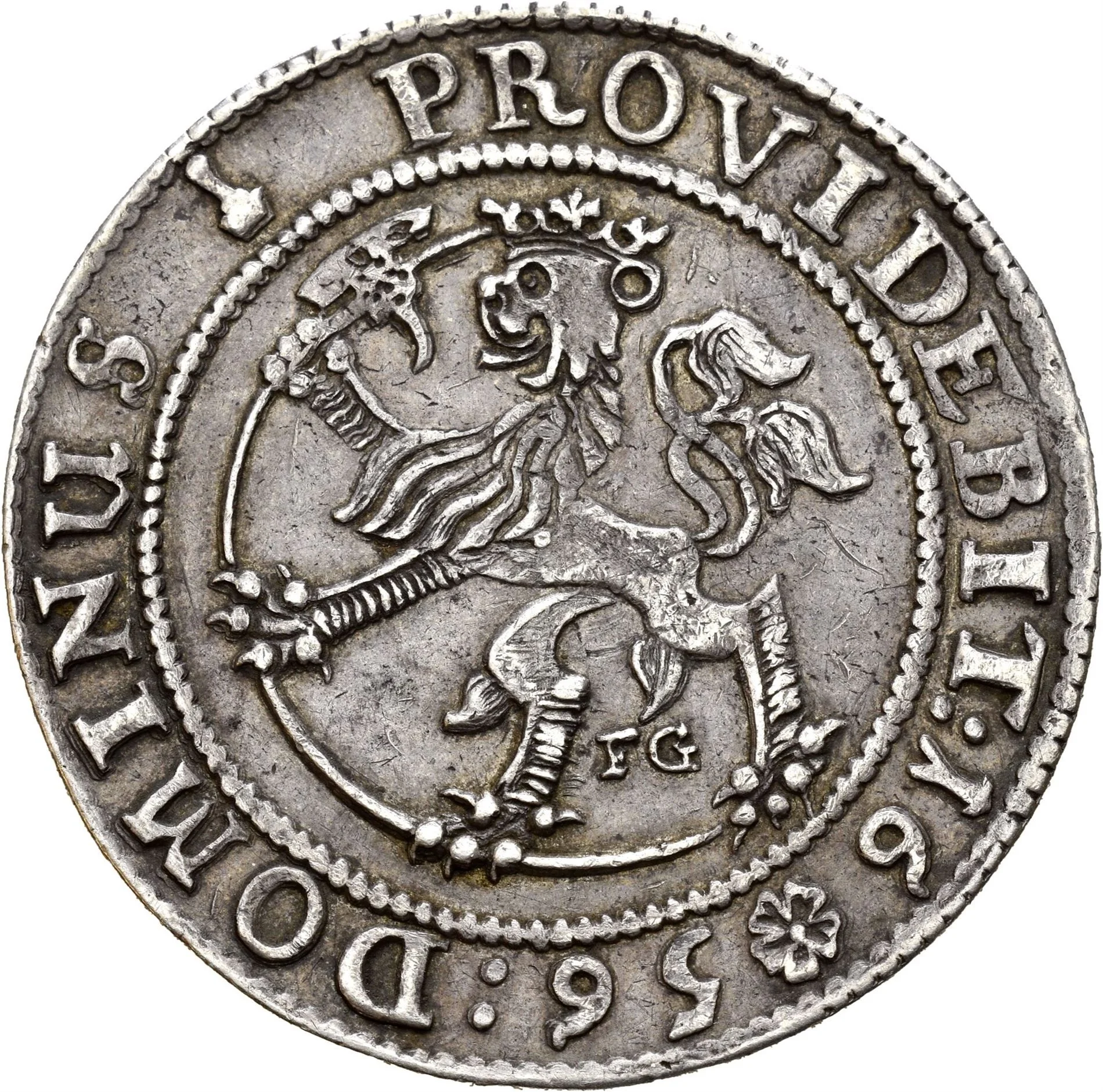
A crowned two-tailed lion rampant left, holding a curved halberd, within a beaded ring and inscription.
Inscription:
:DOMINUS (mm) PROVIDEBIT:16🏵56
FG
FG
Script: Latin
Edge
Plain.
Categories
| Animal |
| Person> Monarch |
| Symbol> Crown |
| Symbols> Coat of Arms |
| Object> Cold weapons |
Mints
| Name | Mark |
|---|---|
| Christiania | — |
Mintings
| Year | Mint Mark | Mintage | Quality | Collection |
|---|---|---|---|---|
| 1655 | — | — | ||
| 1656 | — | — | ||
| 1657 | — | — |
Historical background
In 1655, Norway, then in a union with Denmark under the absolute monarchy of Frederik III, operated within a complex and strained monetary system. The official currency was the Danish rigsdaler, but the circulating medium was a chaotic mix of physical coins, including older Norwegian skillings, Danish marks, and a substantial volume of foreign coins, particularly German and Dutch. This fragmentation was a legacy of Norway's significant trade with the Hanseatic League and other European partners, where imported coins often stayed in circulation due to a chronic shortage of domestic minted currency.
The period was marked by severe monetary debasement and inflation. To finance ongoing wars, notably the Second Northern War (1655-1660), the Danish-Norwegian crown repeatedly reduced the silver content in its coinage while officially maintaining their face value. This practice, known as "forringelse," eroded public trust and led to Gresham's Law in action: good, full-weight foreign coins were hoarded or exported, while debased domestic coins flooded the market. The result was price instability, market confusion, and effective devaluation, harming both merchants and the general populace.
Furthermore, Norway's economic subordination to Copenhagen exacerbated these difficulties. Monetary policy was dictated by Danish needs, often overlooking Norway's specific economic conditions, which were more reliant on raw material exports like timber and fish. The lack of a central bank or effective credit institutions meant that trade and state finances relied heavily on this unreliable specie. Thus, in 1655, Norway's currency situation was one of disorder, inflationary pressure, and dependency, setting the stage for the more centralized monetary reforms that would follow after the establishment of the absolute monarchy in 1660.
The period was marked by severe monetary debasement and inflation. To finance ongoing wars, notably the Second Northern War (1655-1660), the Danish-Norwegian crown repeatedly reduced the silver content in its coinage while officially maintaining their face value. This practice, known as "forringelse," eroded public trust and led to Gresham's Law in action: good, full-weight foreign coins were hoarded or exported, while debased domestic coins flooded the market. The result was price instability, market confusion, and effective devaluation, harming both merchants and the general populace.
Furthermore, Norway's economic subordination to Copenhagen exacerbated these difficulties. Monetary policy was dictated by Danish needs, often overlooking Norway's specific economic conditions, which were more reliant on raw material exports like timber and fish. The lack of a central bank or effective credit institutions meant that trade and state finances relied heavily on this unreliable specie. Thus, in 1655, Norway's currency situation was one of disorder, inflationary pressure, and dependency, setting the stage for the more centralized monetary reforms that would follow after the establishment of the absolute monarchy in 1660.
✨ Legendary