

1 Öre SM – Sweden
Sweden
Context

References
KM: #Click to copy to clipboard71.2
Numista: #64190
Obverse
Description:
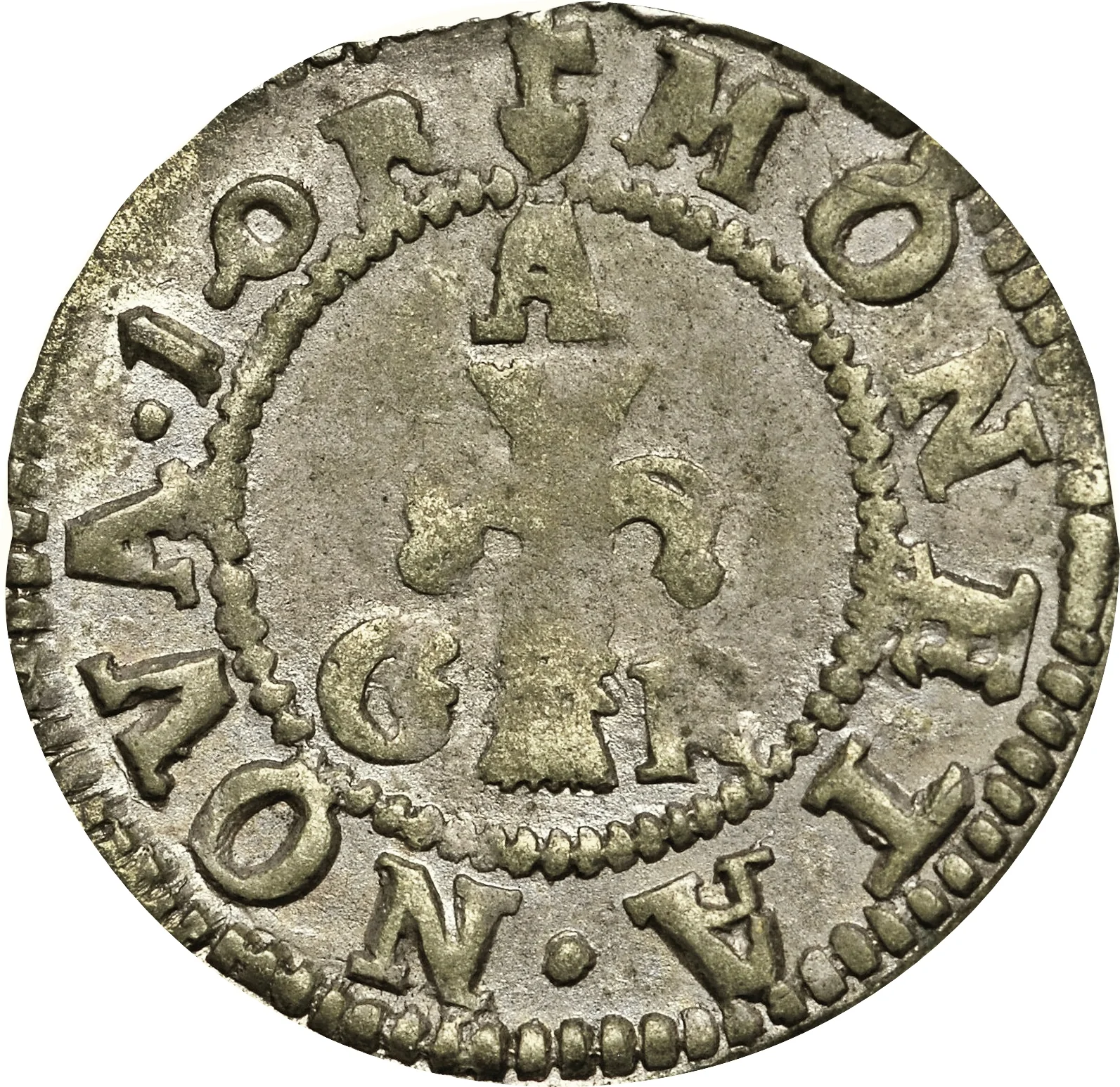
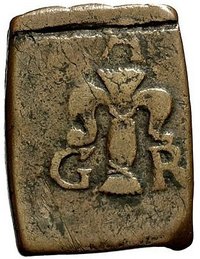
Wheat sheaf of the House of Vasa between "C" and "R" within a circle, surrounded by legend and value.
Inscription:
(mm) MONETA · NOVA · 1 · ÖR
Script: Latin
Reverse
Description:
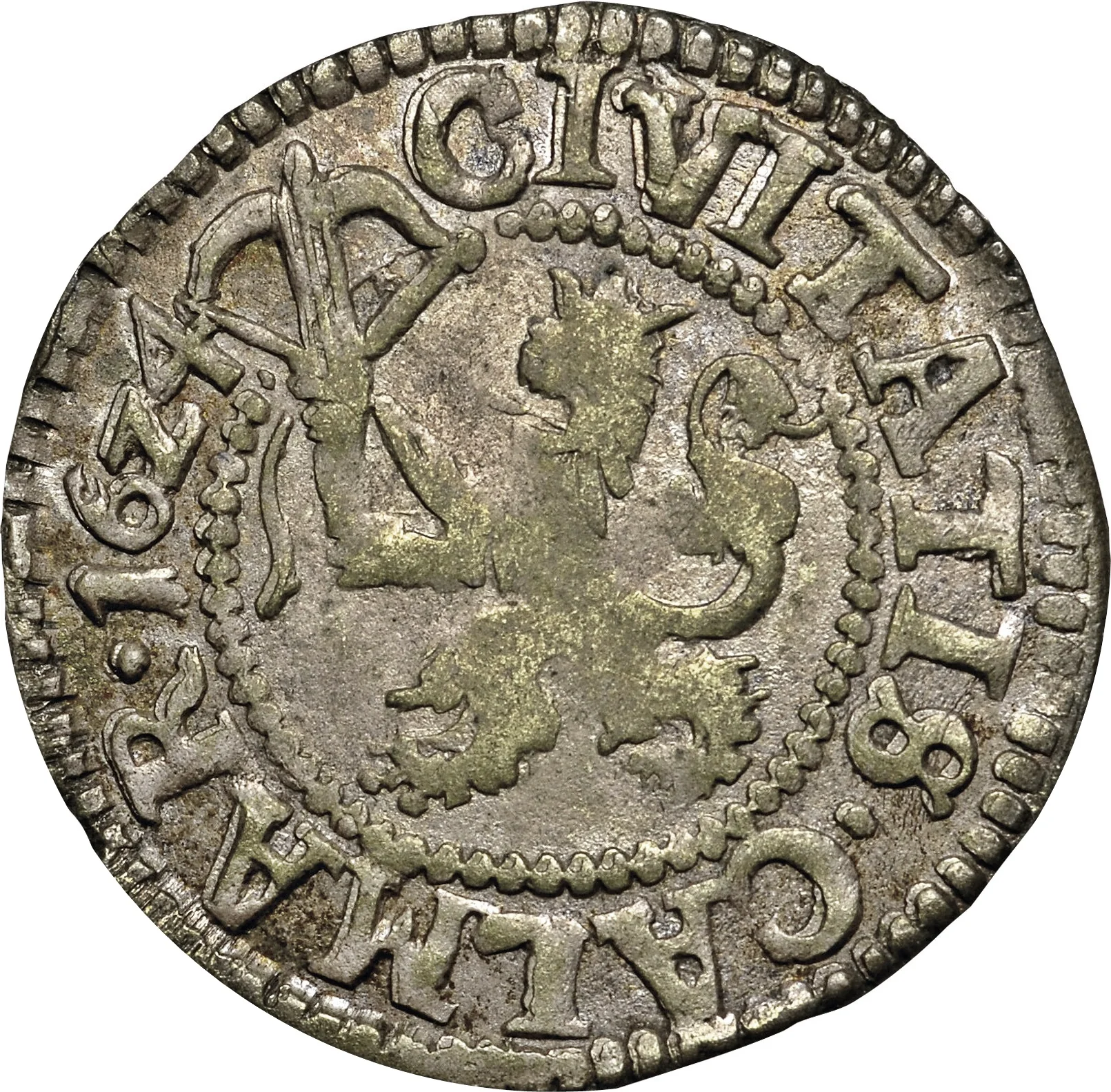
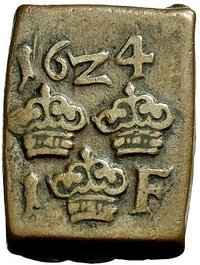
County of Kalmar seal: a lion holding a crossbow inside a beaded circle, surrounded by a legend and date.
Inscription:
CIVITATIS · CALMAR ·1624
Script: Latin
Edge
Mints
| Name | Mark |
|---|---|
| Kalmar | — |
Mintings
| Year | Mint Mark | Mintage | Quality | Collection |
|---|---|---|---|---|
| 1623 | — | — | ||
| 1624 | — | — | ||
| 1625 | — | — | ||
| 1626 | — | — | ||
| 1627 | — | — |
Historical background
In 1623, Sweden was in the midst of the tumultuous "Kipper und Wipper" period, a Europe-wide currency crisis characterized by rampant debasement. King Gustavus Adolphus, engaged in the costly Polish-Swedish War, faced severe financial strain. To fund his military ambitions, the state-owned mints systematically reduced the silver content in coins while maintaining their face value, a practice that flooded the realm with inferior currency and eroded public trust. This led to soaring prices, economic instability, and a situation where older, purer coins were hoarded or melted down, leaving only the bad money in circulation.
Recognizing the crisis, the Riksdag of the Estates in 1623 took decisive action by introducing a comprehensive monetary reform. The cornerstone was the creation of a new, stable currency system based on the riksdaler as the primary unit of account, intended to be a large silver coin of reliable intrinsic value. Alongside it, a reformed subsidiary coinage of öre and mark was established with fixed minting standards. This move was an explicit rejection of the short-term gains of debasement in favor of long-term fiscal credibility and economic order.
The 1623 reform was a pivotal step toward modernizing the Swedish state's finances under Chancellor Axel Oxenstierna's guidance. It aimed to restore confidence, stabilize the economy for the king's ongoing military campaigns, and establish a sovereign monetary system. While the full restoration of a trusted coinage would take years, the legislation laid the essential foundation for the financial strength that would later support Sweden's emergence as a great power during the Thirty Years' War.
Recognizing the crisis, the Riksdag of the Estates in 1623 took decisive action by introducing a comprehensive monetary reform. The cornerstone was the creation of a new, stable currency system based on the riksdaler as the primary unit of account, intended to be a large silver coin of reliable intrinsic value. Alongside it, a reformed subsidiary coinage of öre and mark was established with fixed minting standards. This move was an explicit rejection of the short-term gains of debasement in favor of long-term fiscal credibility and economic order.
The 1623 reform was a pivotal step toward modernizing the Swedish state's finances under Chancellor Axel Oxenstierna's guidance. It aimed to restore confidence, stabilize the economy for the king's ongoing military campaigns, and establish a sovereign monetary system. While the full restoration of a trusted coinage would take years, the legislation laid the essential foundation for the financial strength that would later support Sweden's emergence as a great power during the Thirty Years' War.
✨ Legendary