

1 Rupee – Bengal Presidency
India
Context

Material
References
KM: #Click to copy to clipboard40.1
Numista: #62272
Value
Bullion value: $32.95
Obverse
Description:
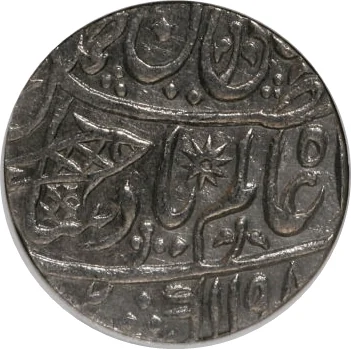
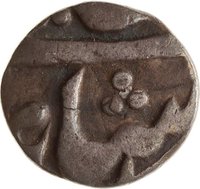
Struck across seven climes by the grace of God, protector of faith Muhammad. Shah Alam Badshah, AH 1198.
Inscription:
١١٩٨
Reverse
Description:
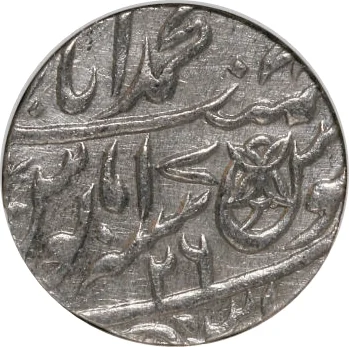
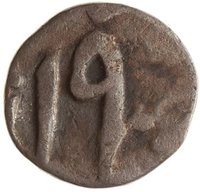
Zarb Muhammadabad Banaras, RY, julus maimanat manus.
Inscription:
١٧
٢٦
٢٦
Edge
Plain
Mintings
| Year | Mint Mark | Mintage | Quality | Collection |
|---|---|---|---|---|
| 1776 | — | — | ||
| 1777 | — | — | ||
| 1778 | — | — | ||
| 1779 | — | — | ||
| 1780 | — | — | ||
| 1781 | — | — | ||
| 1782 | — | — | ||
| 1783 | — | — | ||
| 1784 | — | — | ||
| 1785 | — | — | ||
| 1786 | — | — | ||
| 1787 | — | — | ||
| 1788 | — | — | ||
| 1789 | — | — | ||
| 1790 | — | — | ||
| 1791 | — | — | ||
| 1792 | — | — | ||
| 1793 | — | — | ||
| 1794 | — | — | ||
| 1795 | — | — | ||
| 1796 | — | — | ||
| 1797 | — | — | ||
| 1798 | — | — | ||
| 1799 | — | — | ||
| 1800 | — | — | ||
| 1801 | — | — | ||
| 1802 | — | — | ||
| 1803 | — | — | ||
| 1804 | — | — | ||
| 1805 | — | — | ||
| 1806 | — | — | ||
| 1806 | — | — | ||
| 1807 | — | — | ||
| 1808 | — | — | ||
| 1809 | — | — | ||
| 1810 | — | — | ||
| 1811 | — | — | ||
| 1812 | — | — |
Historical background
In 1776, the Bengal Presidency under the East India Company was grappling with a profound and chaotic currency crisis. The Battle of Plassey (1757) and the assumption of the diwani (revenue rights) in 1765 had flooded the Company with Bengal's silver rupee revenue, but this wealth was largely exported to finance wars and investments in China, creating a severe bullion drain. The monetary landscape was a fragmented mess, with Mughal-era silver rupees of varying purity and weight circulating alongside a plethora of local and foreign coins, leading to widespread confusion, counterfeiting, and exploitative exchange rates that hampered trade and revenue collection.
The Company's response, the pivotal reforms of 1771-73, aimed to establish a uniform currency. They introduced the "Company Rupee," a standardized silver coin minted in Calcutta, and ordered the melting down of all older, disparate issues. However, by 1776, the implementation of this policy was proving disastrous. The recall of old coins was poorly managed, causing a sudden scarcity of circulating medium, while the minting of new rupees could not keep pace with demand. This acute shortage of physical currency crippled daily commerce, caused a sharp deflation, and sparked a severe economic depression, as merchants and peasants alike struggled to find acceptable coin for transactions.
Thus, in 1776, the Presidency was caught in the painful transition between two monetary systems. The intended stability of a single, Company-controlled currency was undermined by the chaotic reality of its introduction. The crisis exposed the Company's administrative shortcomings and its prioritization of fiscal extraction over local economic stability, deepening the famine-ravaged province's distress and highlighting the disruptive impact of colonial rule on Bengal's traditional economic structures.
The Company's response, the pivotal reforms of 1771-73, aimed to establish a uniform currency. They introduced the "Company Rupee," a standardized silver coin minted in Calcutta, and ordered the melting down of all older, disparate issues. However, by 1776, the implementation of this policy was proving disastrous. The recall of old coins was poorly managed, causing a sudden scarcity of circulating medium, while the minting of new rupees could not keep pace with demand. This acute shortage of physical currency crippled daily commerce, caused a sharp deflation, and sparked a severe economic depression, as merchants and peasants alike struggled to find acceptable coin for transactions.
Thus, in 1776, the Presidency was caught in the painful transition between two monetary systems. The intended stability of a single, Company-controlled currency was undermined by the chaotic reality of its introduction. The crisis exposed the Company's administrative shortcomings and its prioritization of fiscal extraction over local economic stability, deepening the famine-ravaged province's distress and highlighting the disruptive impact of colonial rule on Bengal's traditional economic structures.


⭐ Rare