

2 Speciedaler – Norway
Norway
Context
Material
References
KM: #Click to copy to clipboardB52
Numista: #118208
Value
Bullion value: $146.07
Obverse
Description:
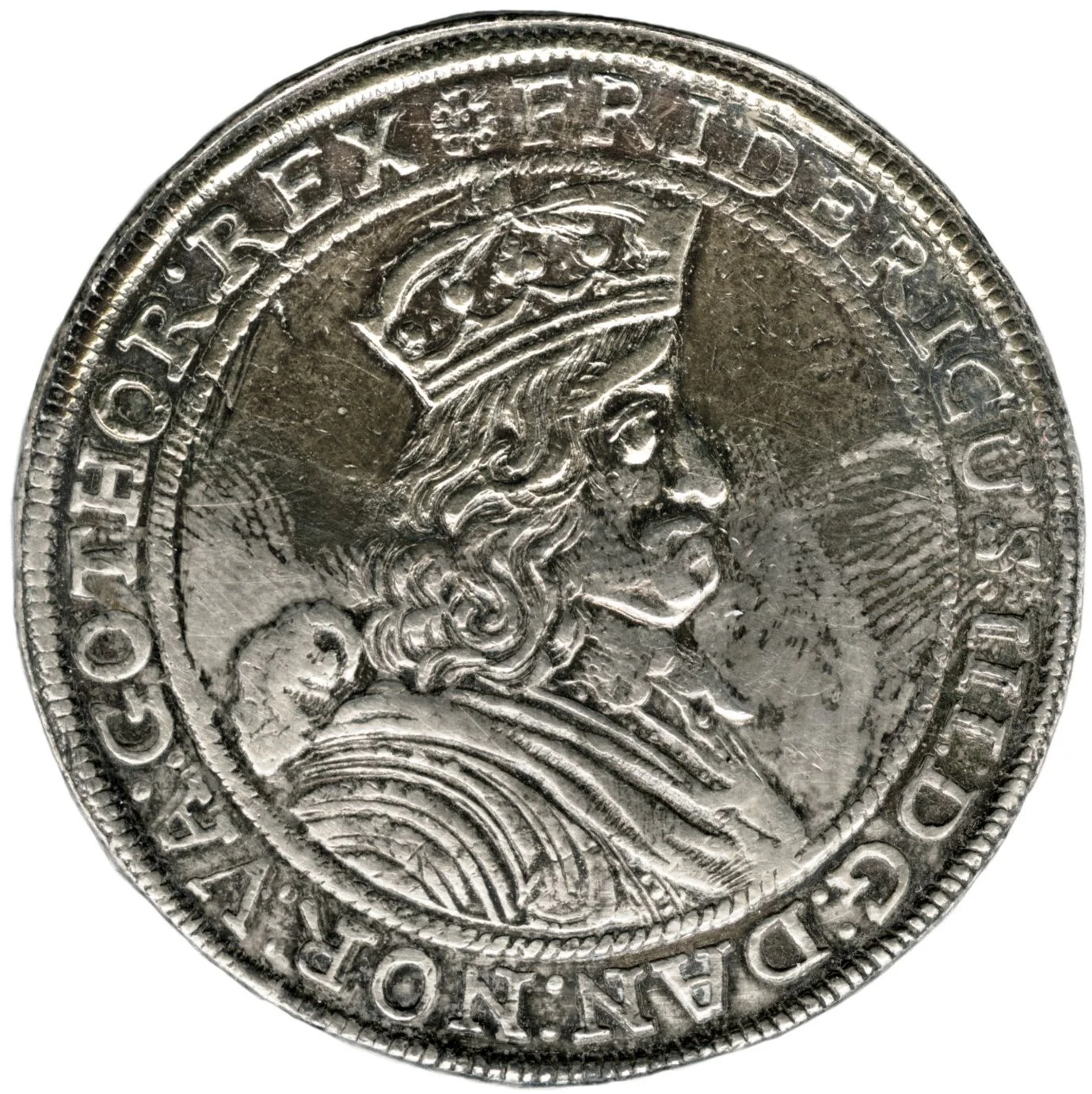
Right-facing crowned bust of Frederick III with long hair within a beaded circle and inscription. Beaded rim.
Inscription:
FRIDERICUS:III:DG:DAN:NOR:VA:GOTHOR:REX🏵
Script: Latin
Reverse
Description:
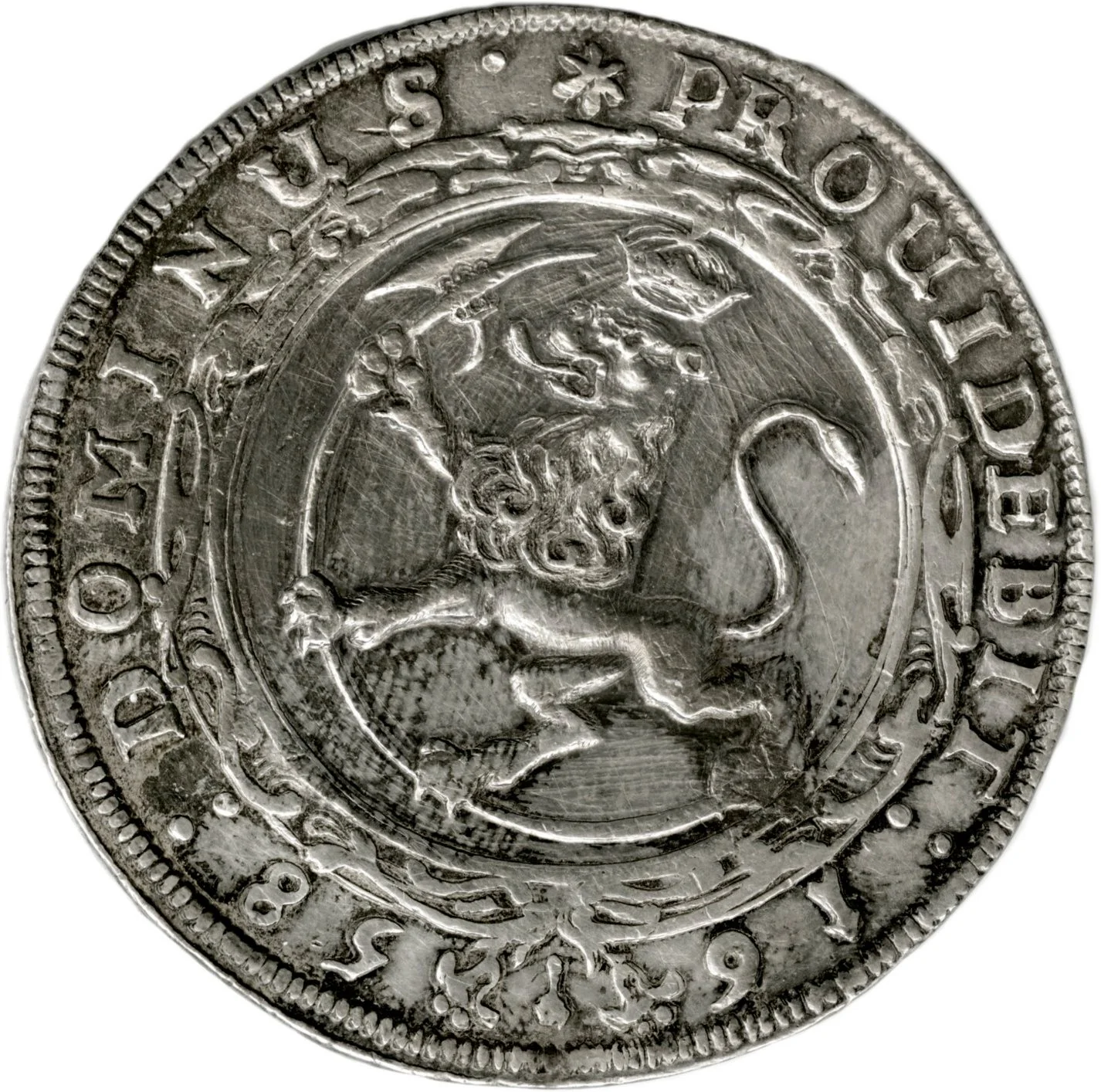
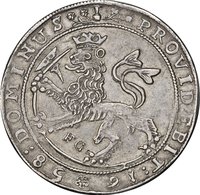
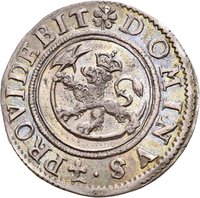
Crowned rampant lion left, holding a curved halberd within a decorated and inscribed ring. Beaded rim.
Inscription:
:DOMINUS·✽PROUIDEBIT:16 (mm) 58
Script: Latin
Edge
Plain.
Categories
| Object> Cold weapons |
| Animal |
| Person> Monarch |
| Symbol> Crown |
| Plants> Flower |
| Symbols> Coat of Arms |
Mints
| Name | Mark |
|---|---|
| Christiania | — |
Mintings
| Year | Mint Mark | Mintage | Quality | Collection |
|---|---|---|---|---|
| 1658 | — | — |
Historical background
In 1658, Norway’s currency situation was deeply unstable and characterized by severe inflation, a direct consequence of the kingdom's political and economic subordination to Denmark. As part of the Danish-Norwegian dual monarchy, Norway had no independent mint or monetary policy; its currency was Danish, primarily the silver riksdaler. However, to finance the ongoing and costly wars of King Frederik III, notably the Second Northern War against Sweden, the state resorted to repeated debasements. This involved reducing the silver content in coins while maintaining their face value, a practice that flooded the economy with depreciated currency and eroded public trust.
The situation was exacerbated by the Treaty of Roskilde in early 1658, which forced Denmark-Norway to cede the rich, revenue-generating province of Trøndelag to Sweden. This loss stripped the crown of a significant source of silver and tax income, further straining state finances and limiting any possibility of monetary reform. In the Norwegian economy, the resulting inflation caused widespread hardship, as prices for essential goods soared while wages lagged behind. Transactions were increasingly complicated by the uncertain value of circulating coins, leading to a preference for older, higher-silver coins, which were hoarded, thus worsening the shortage of reliable money.
Ultimately, the monetary chaos of 1658 reflected the vulnerabilities of a war economy and the lack of Norwegian fiscal autonomy. The crisis would persist until after the war's end, setting the stage for the major monetary reform implemented by King Christian V in the 1680s, which introduced a new, standardized silver coinage. The year 1658 thus stands as a low point, where wartime exigencies and territorial loss directly translated into a severely dysfunctional currency system for the Norwegian populace.
The situation was exacerbated by the Treaty of Roskilde in early 1658, which forced Denmark-Norway to cede the rich, revenue-generating province of Trøndelag to Sweden. This loss stripped the crown of a significant source of silver and tax income, further straining state finances and limiting any possibility of monetary reform. In the Norwegian economy, the resulting inflation caused widespread hardship, as prices for essential goods soared while wages lagged behind. Transactions were increasingly complicated by the uncertain value of circulating coins, leading to a preference for older, higher-silver coins, which were hoarded, thus worsening the shortage of reliable money.
Ultimately, the monetary chaos of 1658 reflected the vulnerabilities of a war economy and the lack of Norwegian fiscal autonomy. The crisis would persist until after the war's end, setting the stage for the major monetary reform implemented by King Christian V in the 1680s, which introduced a new, standardized silver coinage. The year 1658 thus stands as a low point, where wartime exigencies and territorial loss directly translated into a severely dysfunctional currency system for the Norwegian populace.
✨ Legendary