

3 speciedaler – Norway
Add to wishlist
Norway
Context
Material
References
KM: #
Numista: #118175
Value
Bullion value: $188.31
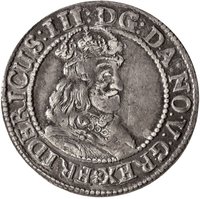
Obverse
Description:
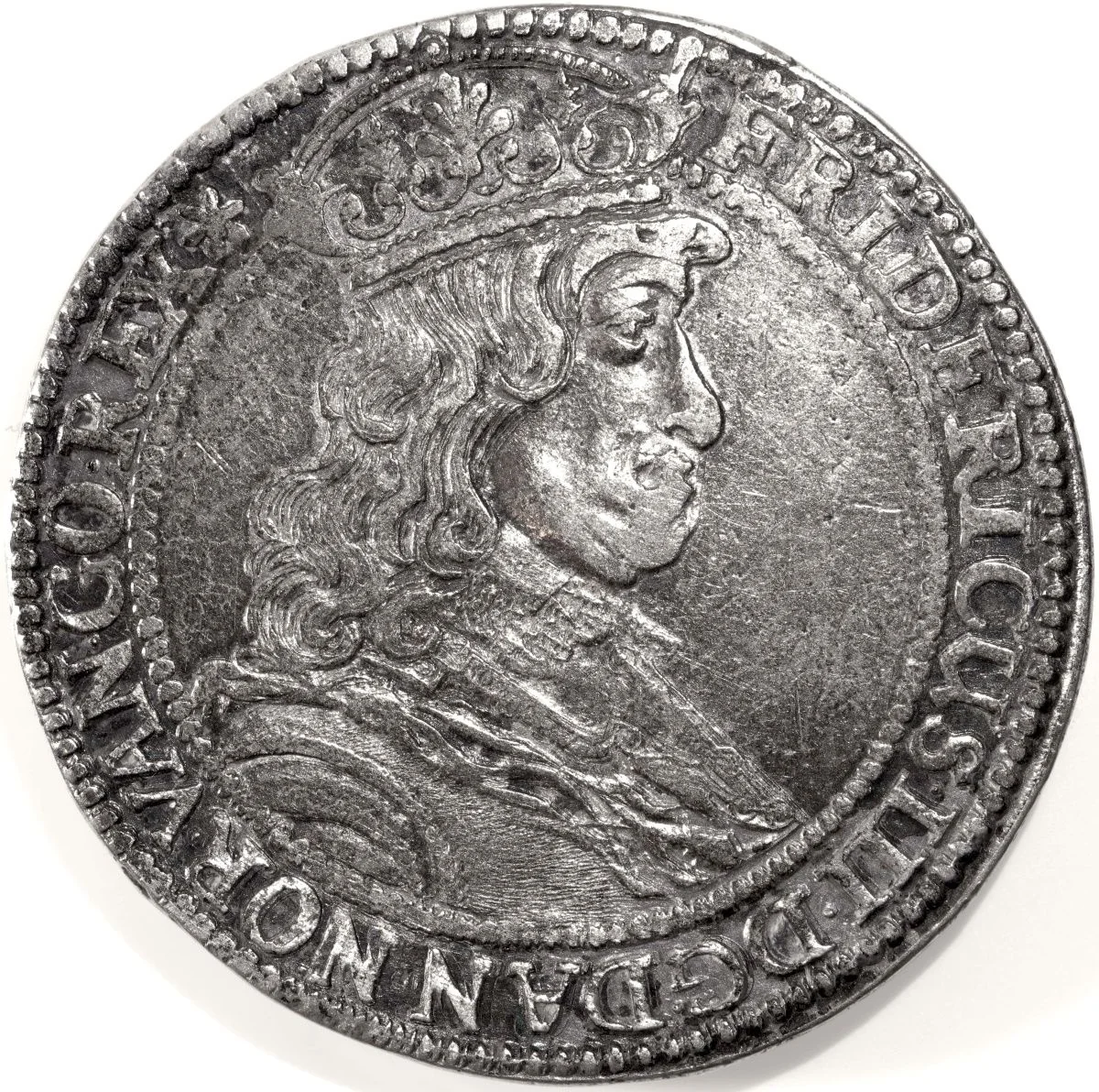
Right-facing crowned bust of Frederick III with long hair within a beaded circle and inscription. Beaded rim.
Inscription:
FRIDERICUS·III·DG·DAN·NOR·VAN·GO·REX✽
Script: Latin
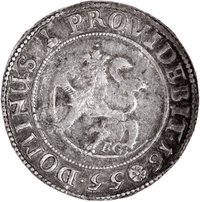
Reverse
Description:
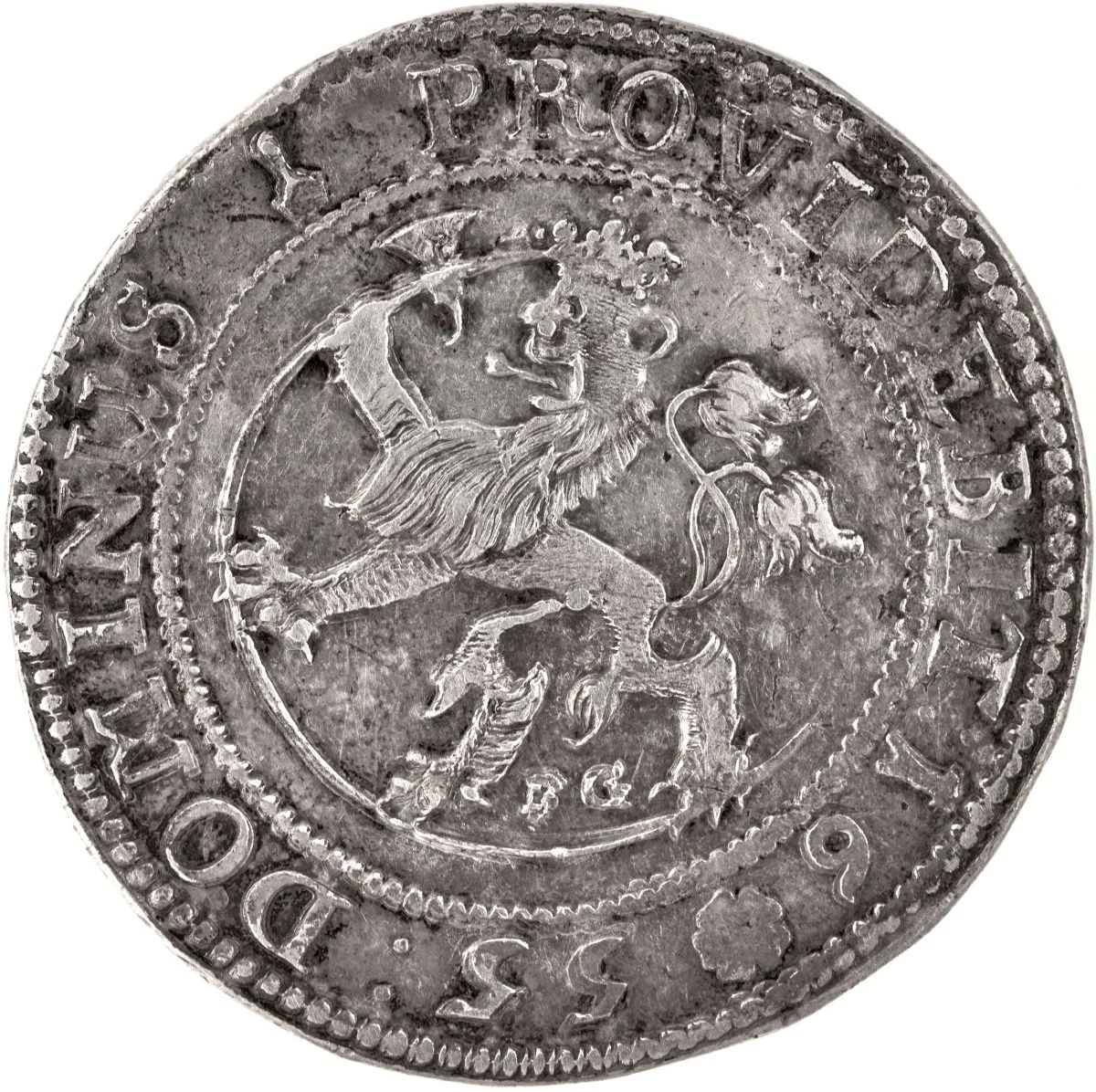
A crowned two-tailed lion rampant left, holding a curved halberd, within a beaded ring and inscription.
Inscription:
:DOMINUS (mm) PROVIDEBIT:16🏵55
FG
FG
Script: Latin
Edge
Plain.
Categories
| Animal |
| Person> Monarch |
| Symbol> Crown |
| Symbols> Coat of Arms |
| Object> Cold weapons |
Mints
| Name | Mark |
|---|---|
| Christiania | — |
Mintings
| Year | Mint Mark | Mintage | Quality | Collection |
|---|---|---|---|---|
| 1654 | — | — | ||
| 1655 | — | — |
Historical background
In 1654, Norway found itself in a complex monetary situation, deeply entangled with its political union with Denmark. As part of the Danish-Norwegian dual monarchy, Norway did not have an independent currency; it used the same monetary system as Denmark, centred on the silver riksdaler. However, the kingdom was suffering from a severe shortage of physical coinage in circulation. This was partly due to Norway's persistent trade deficit with Denmark, which caused silver coins to steadily flow out of the country to settle accounts, leaving local economies to rely heavily on barter and credit.
The problem was exacerbated by the circulation of heavily debased coinage. To raise funds for wars, the Danish crown had repeatedly reduced the silver content of smaller coins, such as the skilling. This practice, known as "coinage deterioration," led to widespread distrust in the currency. People hoarded older, purer coins, which disappeared from circulation—a classic example of Gresham's Law, where "bad money drives out good." Consequently, prices became unstable, and foreign merchants often refused the degraded Norwegian-Danish coins at face value, further disrupting trade.
King Frederik III, who had ascended the throne that very year, inherited this monetary crisis. While a comprehensive reform was still a decade away (culminating in the establishment of the Copenhagen Bank in 1668 and a new currency system), the situation in 1654 was one of palpable dysfunction. The scarcity of trustworthy coinage stifled commerce and complicated taxation, highlighting the economic vulnerabilities within the union and setting the stage for the centralized financial reforms that would characterize Frederik III’s later reign after the introduction of absolute monarchy in 1660.
The problem was exacerbated by the circulation of heavily debased coinage. To raise funds for wars, the Danish crown had repeatedly reduced the silver content of smaller coins, such as the skilling. This practice, known as "coinage deterioration," led to widespread distrust in the currency. People hoarded older, purer coins, which disappeared from circulation—a classic example of Gresham's Law, where "bad money drives out good." Consequently, prices became unstable, and foreign merchants often refused the degraded Norwegian-Danish coins at face value, further disrupting trade.
King Frederik III, who had ascended the throne that very year, inherited this monetary crisis. While a comprehensive reform was still a decade away (culminating in the establishment of the Copenhagen Bank in 1668 and a new currency system), the situation in 1654 was one of palpable dysfunction. The scarcity of trustworthy coinage stifled commerce and complicated taxation, highlighting the economic vulnerabilities within the union and setting the stage for the centralized financial reforms that would characterize Frederik III’s later reign after the introduction of absolute monarchy in 1660.
✨ Legendary