

½ Poltina – Russian Empire
Russia
Context
Years: 1739–1740
Country: Russia 
Issuer: Russian Empire
Ruler: Anna I
Currency:
(1700—1917)
Demonetized: Yes
Total mintage: 56,280
Material
References
KM: #Click to copy to clipboard202
Numista: #101838
Value
Bullion value: $15.01
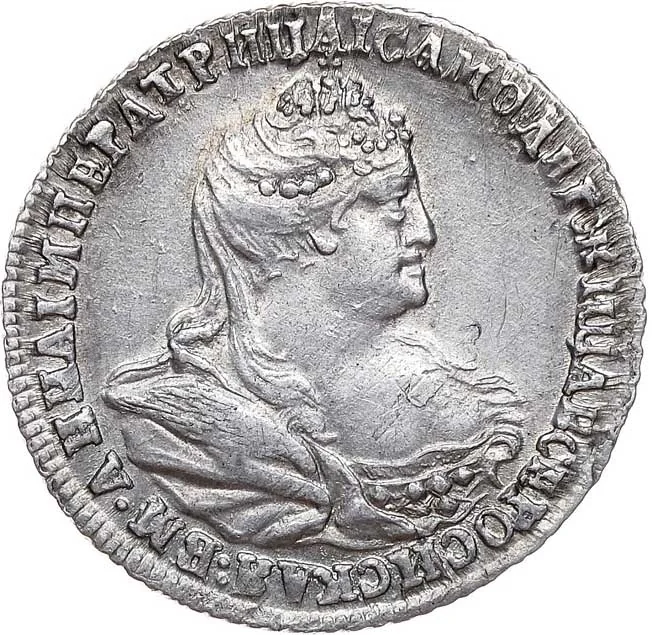
Obverse
Description:
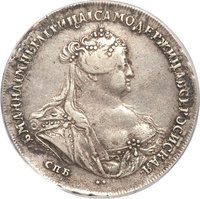
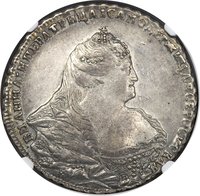
Bust of Anna Ioannovna, right-facing.
Inscription:
Б·М·АННАIМПЕРАТРИЦАIСАМОДЕРЖИЦАВСЕРОСИСКАЯ:
Script: Cyrillic
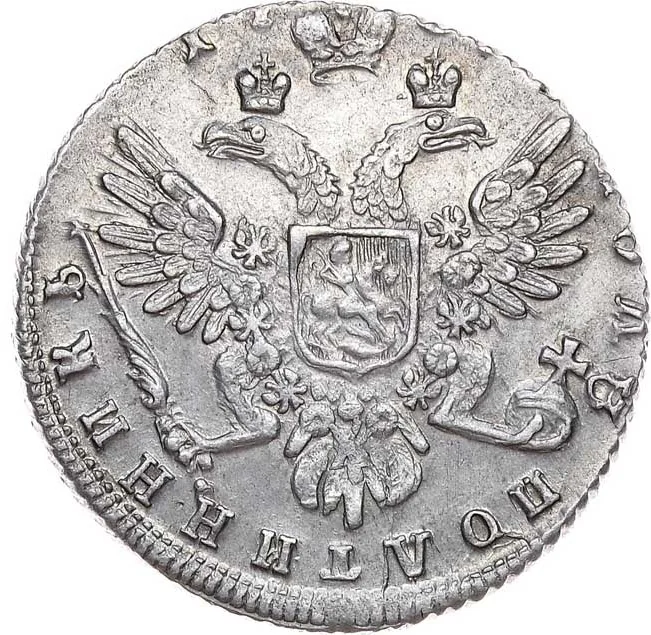
Reverse
Description:
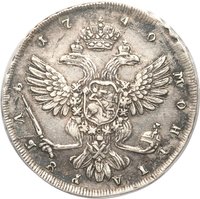
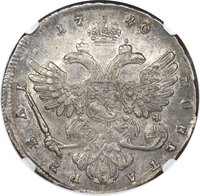
Crowned two-headed eagle; denomination and date.
Inscription:
1739
ПОЛƔПОЛТИННИКЪ
ПОЛƔПОЛТИННИКЪ
Script: Cyrillic
Edge
Diagonal reeding
Mintings
| Year | Mint Mark | Mintage | Quality | Collection |
|---|---|---|---|---|
| 1739 | — | 56,280 | ||
| 1740 | — | — |
Historical background
In 1739, the Russian Empire’s currency system was defined by a chronic shortage of small-denomination coins and a reliance on cumbersome copper money. The state’s primary monetary unit was the silver ruble, but its circulation was limited, used mainly for large-scale trade and state finance. For everyday transactions, the populace depended heavily on the denga and kopek struck from copper, with the copper kopeck's value officially tied to silver. However, the sheer bulk of this coinage was problematic; a single ruble’s worth of copper kopeks weighed over a kilogram, making large payments physically impractical and hindering commerce.
This situation was a legacy of Peter the Great’s monetary reforms earlier in the century, which had established a decimal system and standardized minting. Yet, the state’s persistent fiscal needs, particularly to finance military campaigns like the ongoing war with the Ottoman Empire (1735–1739), led to repeated debasement and minting for seigniorage profit. The government, under Empress Anna Ioannovna, frequently adjusted the weight and standard of copper coins to generate revenue, creating instability. Furthermore, a thriving black market for clipped and counterfeit coins exacerbated the shortage of reliable small change, frustrating both merchants and peasants.
Consequently, the monetary landscape was one of structural inefficiency and inflationary pressure. While the state budget relied on silver, the real economy operated on an unwieldy and manipulated copper base. This disconnect would persist until the more comprehensive reforms of Empress Elizabeth Petrovna in the 1740s and, more decisively, those of Catherine the Great later in the century, who would introduce paper banknotes (assignats) to alleviate the physical burden of the coinage system.
This situation was a legacy of Peter the Great’s monetary reforms earlier in the century, which had established a decimal system and standardized minting. Yet, the state’s persistent fiscal needs, particularly to finance military campaigns like the ongoing war with the Ottoman Empire (1735–1739), led to repeated debasement and minting for seigniorage profit. The government, under Empress Anna Ioannovna, frequently adjusted the weight and standard of copper coins to generate revenue, creating instability. Furthermore, a thriving black market for clipped and counterfeit coins exacerbated the shortage of reliable small change, frustrating both merchants and peasants.
Consequently, the monetary landscape was one of structural inefficiency and inflationary pressure. While the state budget relied on silver, the real economy operated on an unwieldy and manipulated copper base. This disconnect would persist until the more comprehensive reforms of Empress Elizabeth Petrovna in the 1740s and, more decisively, those of Catherine the Great later in the century, who would introduce paper banknotes (assignats) to alleviate the physical burden of the coinage system.
✨ Legendary