

Iran
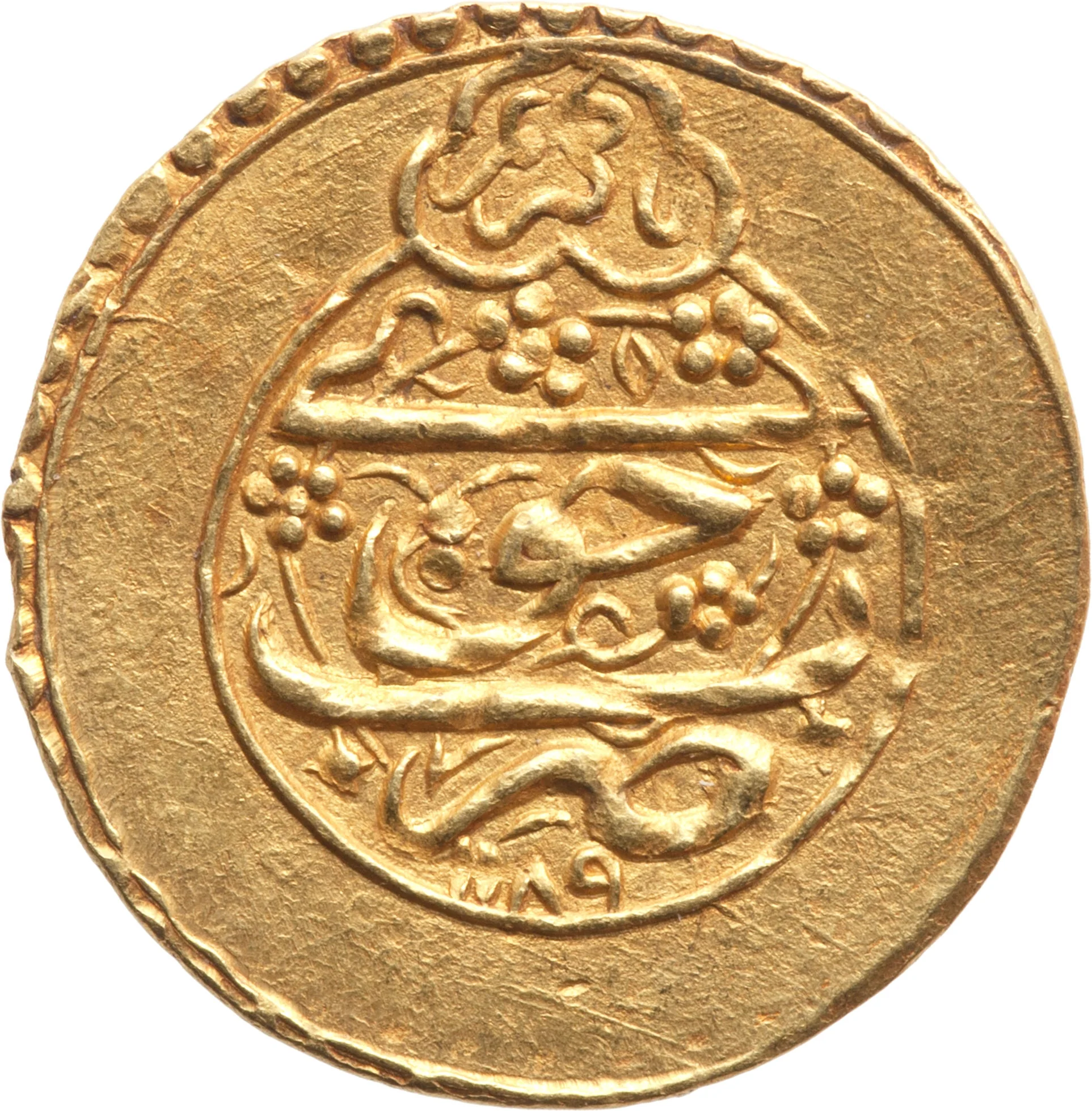
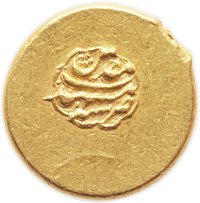
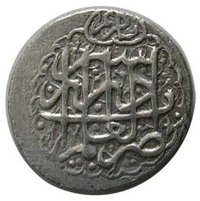
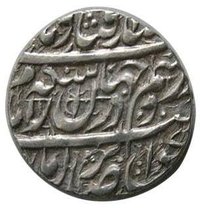
Obverse
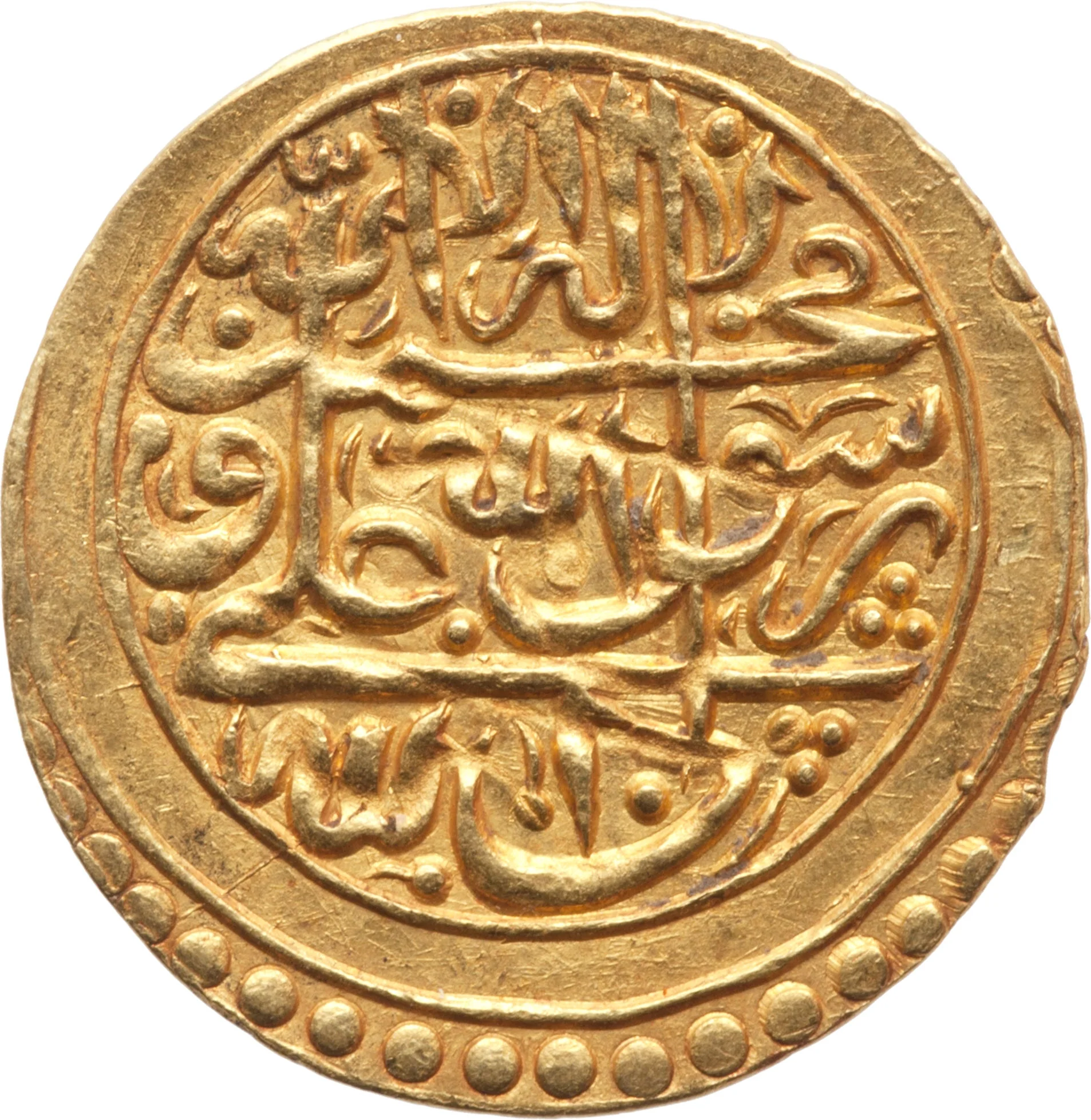
Reverse
Edge
Mints
| Name | Mark |
|---|---|
| Khoy | — |
Mintings
| Year | Mint Mark | Mintage | Quality | Collection |
|---|---|---|---|---|
| 1775 | — | — |
Historical background
In 1775, Iran was under the rule of the Zand dynasty, with Karim Khan Zand (r. 1751-1779) effectively controlling much of the country from his capital in Shiraz. The period was one of relative stability and economic recovery following the devastating collapse of the Safavid Empire and the subsequent decades of civil war, foreign invasion, and tribal conflict. Karim Khan, who notably took the title Vakil al-Ra'āyā (Representative of the People) instead of king, focused on promoting trade, agriculture, and justice, which provided a necessary foundation for a functioning monetary system.
The currency situation was characterized by a fragmented and debased coinage. The primary unit was the silver rial, based on the Dutch rijksdaalder, but the most commonly used coin was the silver abbasi (worth about one-fifth of a rial). However, the purity and weight of coins varied significantly due to the previous decades of turmoil, which had seen the looting of mint towns and the disruption of silver supplies. Karim Khan worked to standardize the currency, minting his own copper shahi and silver abbasi coins primarily at the mints in Shiraz, Tabriz, and Isfahan. These coins bore his name and the title Vakil, but their circulation was often regional, and older, debased coins from the Afsharid and even Safavid eras remained in use, complicating trade.
Despite Karim Khan's efforts, the monetary system faced profound challenges. A critical shortage of precious metals, especially silver, limited the minting of high-value coinage and constrained the broader economy. Furthermore, while internal trade saw a revival, Iran's position in long-distance trade networks had diminished, reducing the inflow of foreign silver. The currency system, therefore, reflected the larger political reality: it was more stable and organized than in the mid-century chaos, but it remained fragile, localized, and vulnerable to the dynasty's future fortunes. The death of Karim Khan in 1779 would soon plunge Iran back into civil war, causing further monetary disorder.
The currency situation was characterized by a fragmented and debased coinage. The primary unit was the silver rial, based on the Dutch rijksdaalder, but the most commonly used coin was the silver abbasi (worth about one-fifth of a rial). However, the purity and weight of coins varied significantly due to the previous decades of turmoil, which had seen the looting of mint towns and the disruption of silver supplies. Karim Khan worked to standardize the currency, minting his own copper shahi and silver abbasi coins primarily at the mints in Shiraz, Tabriz, and Isfahan. These coins bore his name and the title Vakil, but their circulation was often regional, and older, debased coins from the Afsharid and even Safavid eras remained in use, complicating trade.
Despite Karim Khan's efforts, the monetary system faced profound challenges. A critical shortage of precious metals, especially silver, limited the minting of high-value coinage and constrained the broader economy. Furthermore, while internal trade saw a revival, Iran's position in long-distance trade networks had diminished, reducing the inflow of foreign silver. The currency system, therefore, reflected the larger political reality: it was more stable and organized than in the mid-century chaos, but it remained fragile, localized, and vulnerable to the dynasty's future fortunes. The death of Karim Khan in 1779 would soon plunge Iran back into civil war, causing further monetary disorder.
✨ Legendary