

¼ mohur – Iran
Add to wishlist
Iran
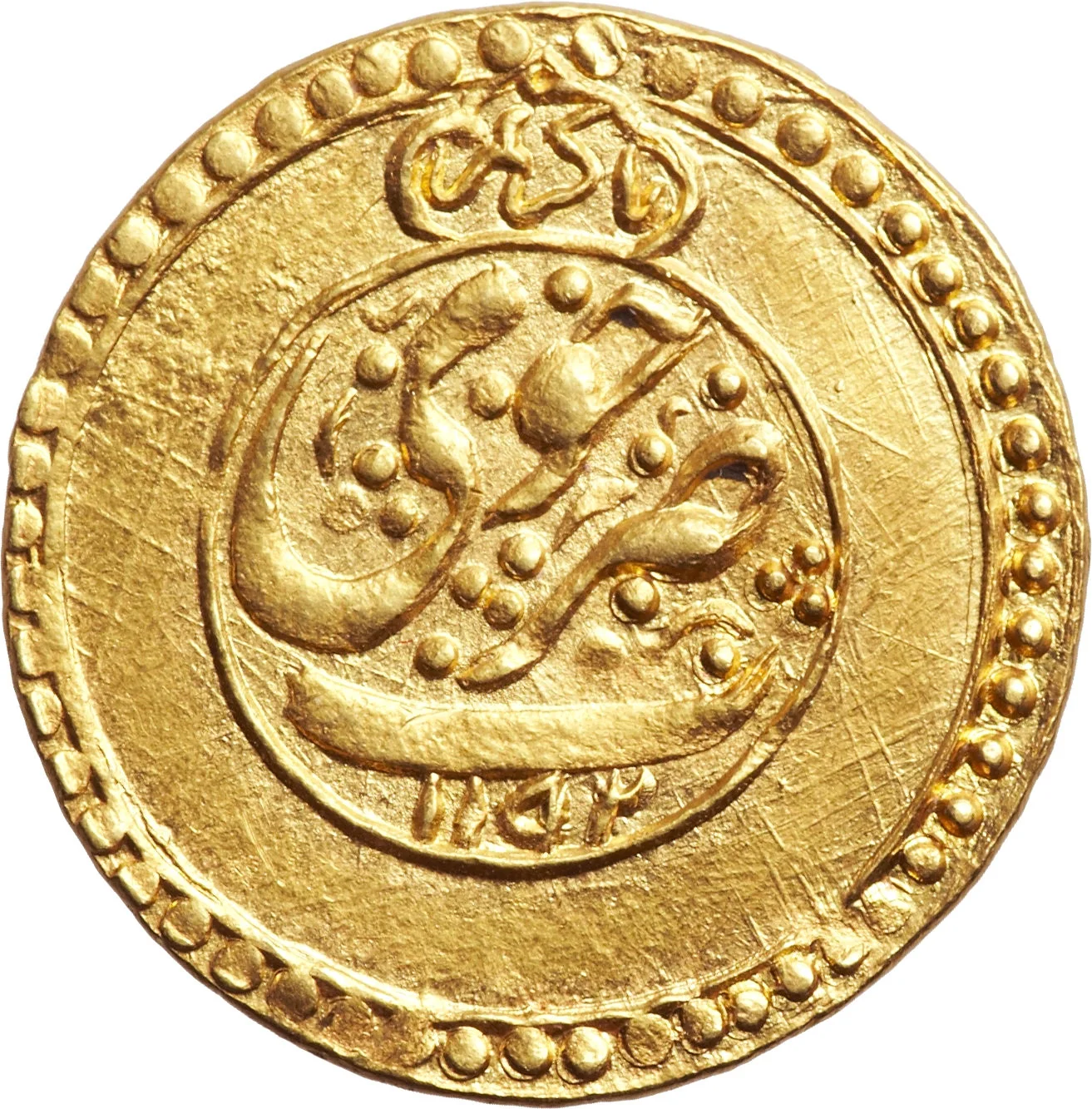
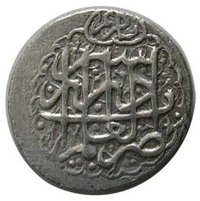
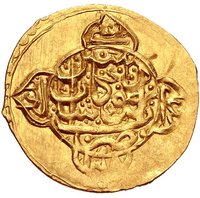
Obverse
Inscription:
یا کریم
ضرب خوی
۱۱۹۳
ضرب خوی
۱۱۹۳
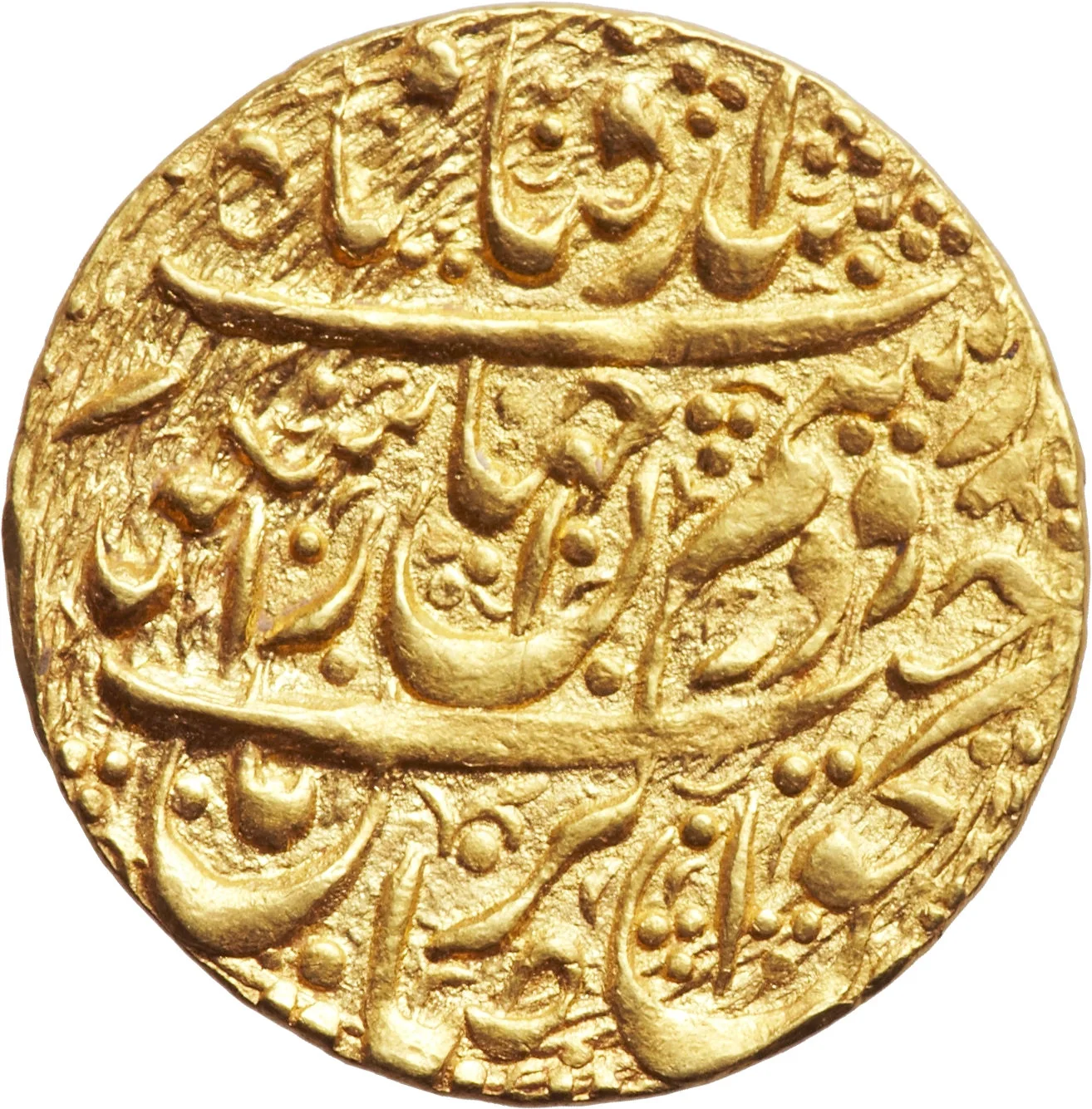
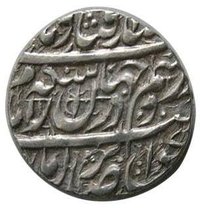
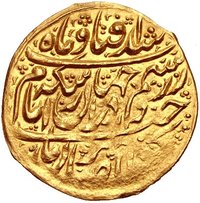
Reverse
Inscription:
شد آفتاب و ماه زر و سیم در جهان
از سکه امام بحق صاحب الزمان
از سکه امام بحق صاحب الزمان
Edge
Plain
Mints
| Name | Mark |
|---|---|
| Khoy | — |
Mintings
| Year | Mint Mark | Mintage | Quality | Collection |
|---|---|---|---|---|
| 1776 | — | — | ||
| 1777 | — | — | ||
| 1778 | — | — | ||
| 1779 | — | — |
Historical background
In 1776, Iran was under the rule of the Zand dynasty, with Karim Khan Zand (r. 1751–1779) effectively controlling much of the country from his capital in Shiraz. This period followed decades of instability and fragmentation after the collapse of the Safavid Empire in 1722. Karim Khan’s reign was marked by a deliberate policy of relative peace, economic reconstruction, and patronage of the arts, which sought to restore prosperity. The monetary system, however, reflected the political fragmentation of the preceding era, with currency issuance not fully centralized and influenced by both regional authorities and the legacy of past dynasties.
The currency situation was complex and multi-layered. The primary unit was the silver rial, derived from the Dutch rijksdaalder, which had entered circulation through trade. More commonly used in everyday transactions was the abbasi, a silver coin worth about one-fifth of a rial. The system was not decimalized, with units like the shahi and dinār serving as smaller denominations. Crucially, the coinage in circulation was a mixture of newly minted Zand coins, often bearing Karim Khan’s title of Vakīl al-Raʿāyā (Representative of the People), and older, worn coins from the Afsharid and even Safavid eras. This created challenges in trade due to uncertainties about the precise weight and silver content of individual coins.
Furthermore, the economy was significantly influenced by foreign trade, particularly with the British and Dutch East India Companies, as well as neighboring Ottoman and Russian empires. This international commerce brought foreign silver coins, like the Spanish dollar (piece of eight), into the Iranian market, where they often circulated alongside local currency. While Karim Khan’s stable rule fostered a revival in trade and craftsmanship, the monetary system remained a patchwork. True standardization would not occur until the rise of the Qajar dynasty at the end of the century, which sought to impose a more unified national currency.
The currency situation was complex and multi-layered. The primary unit was the silver rial, derived from the Dutch rijksdaalder, which had entered circulation through trade. More commonly used in everyday transactions was the abbasi, a silver coin worth about one-fifth of a rial. The system was not decimalized, with units like the shahi and dinār serving as smaller denominations. Crucially, the coinage in circulation was a mixture of newly minted Zand coins, often bearing Karim Khan’s title of Vakīl al-Raʿāyā (Representative of the People), and older, worn coins from the Afsharid and even Safavid eras. This created challenges in trade due to uncertainties about the precise weight and silver content of individual coins.
Furthermore, the economy was significantly influenced by foreign trade, particularly with the British and Dutch East India Companies, as well as neighboring Ottoman and Russian empires. This international commerce brought foreign silver coins, like the Spanish dollar (piece of eight), into the Iranian market, where they often circulated alongside local currency. While Karim Khan’s stable rule fostered a revival in trade and craftsmanship, the monetary system remained a patchwork. True standardization would not occur until the rise of the Qajar dynasty at the end of the century, which sought to impose a more unified national currency.
✨ Legendary