

Iran
Material
References
KM: #Click to copy to clipboard518.1
Numista: #62039
Value
Bullion value: $458.51
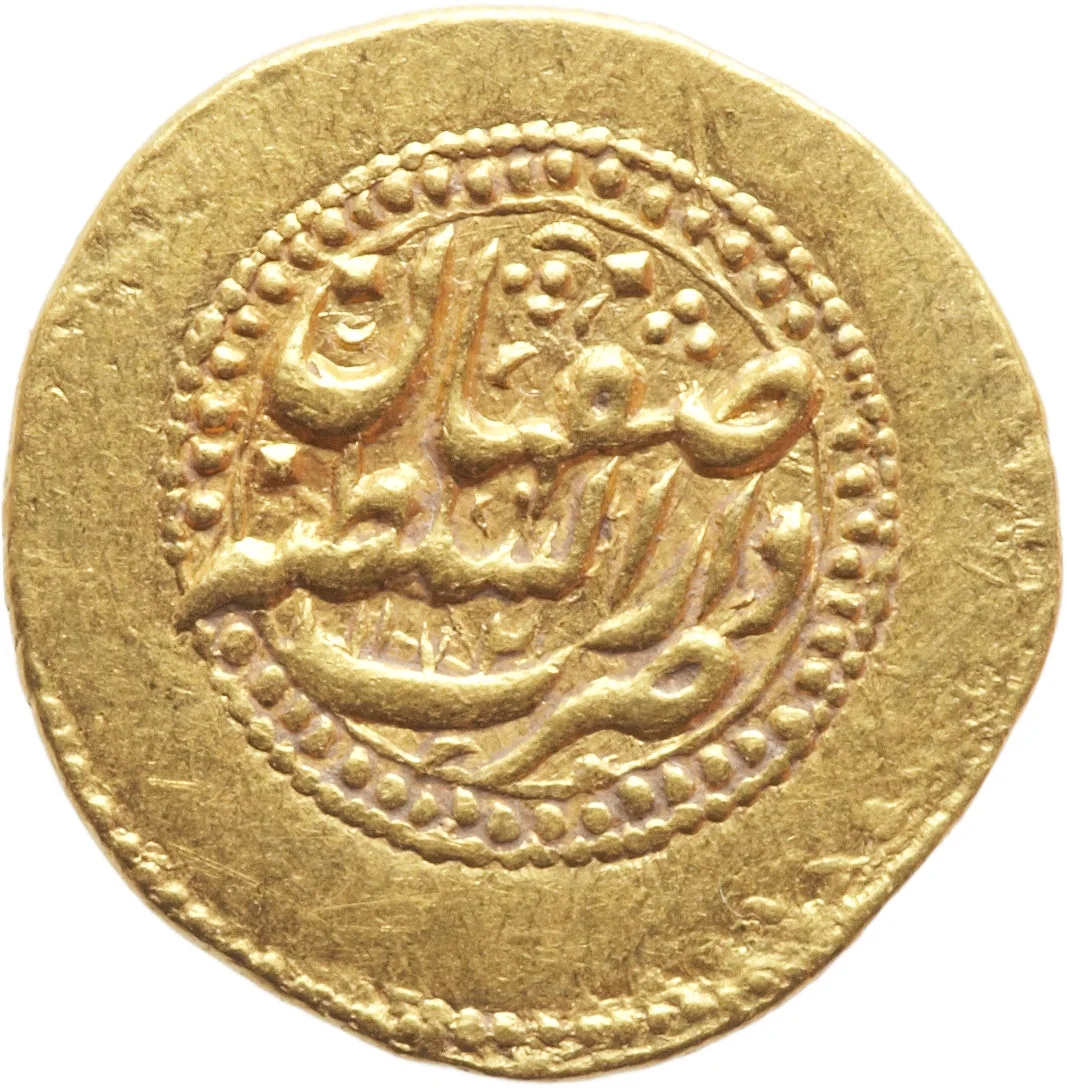
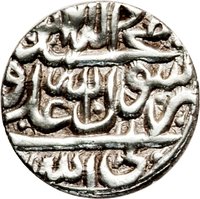
Obverse
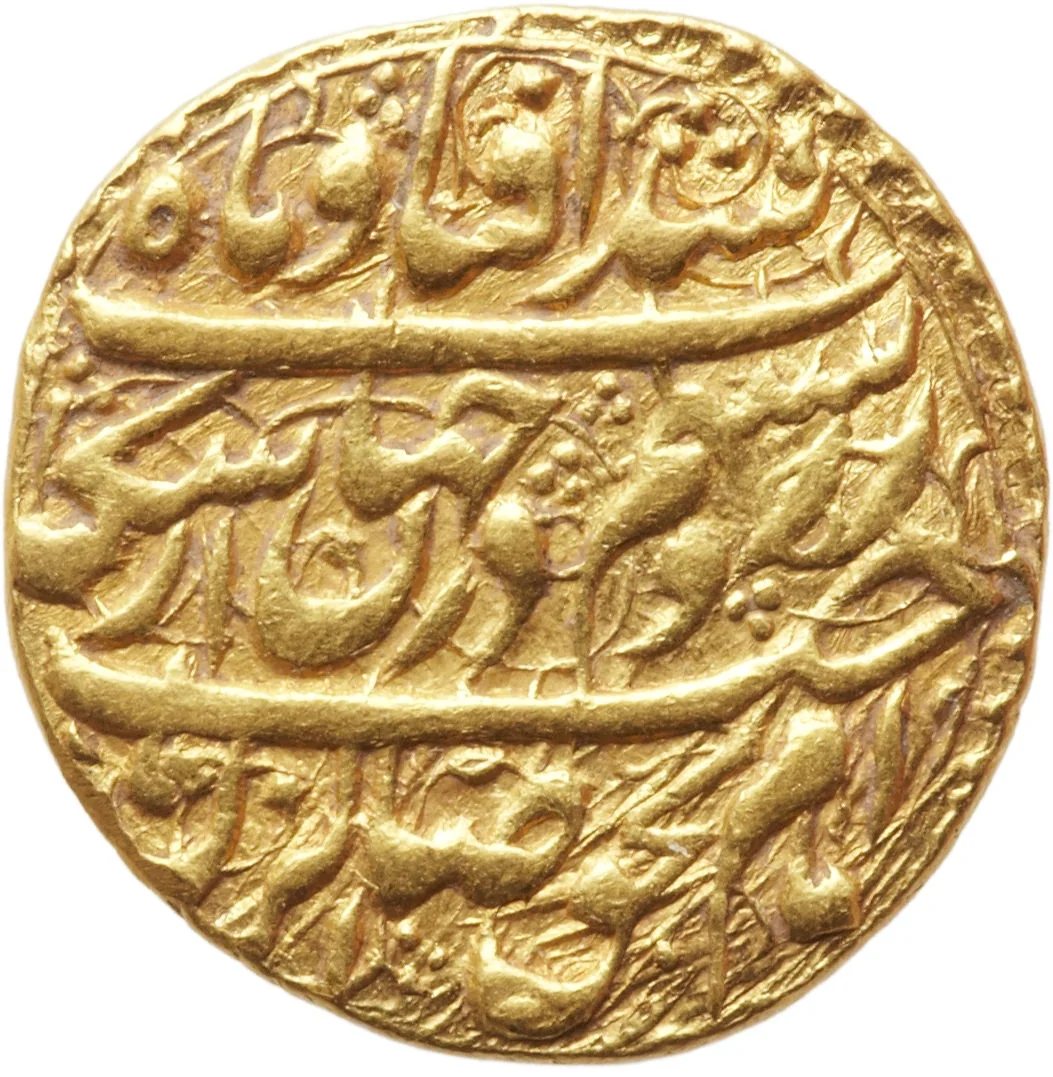
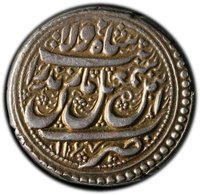
Reverse
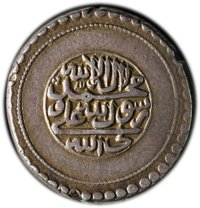
Edge
Mints
| Name | Mark |
|---|---|
| Isfahan | — |
Mintings
| Year | Mint Mark | Mintage | Quality | Collection |
|---|---|---|---|---|
| 1752 | — | — | ||
| 1758 | — | — | ||
| 1759 | — | — |
Historical background
In 1752, Iran was under the rule of the Afsharid dynasty, founded by the military conqueror Nader Shah. His reign (1736-1747) had a profound and devastating impact on the currency. To fund his massive military campaigns, including the infamous sack of Delhi in 1739, Nader Shah systematically debased the silver abbasi coin, the standard unit of the time. He ordered the minting of vast quantities of new coins with significantly reduced silver content, while often maintaining their face value. This practice, combined with the looting of bullion to fill the royal treasury, severely drained the economy of precious metals and undermined public trust in the currency.
Following Nader Shah's assassination in 1747, the empire fragmented, plunging Iran into a period of civil war and regional strife. By 1752, rival factions—including Nader's grandson Shahrokh Shah in Khorasan, Karim Khan Zand in the south, and various tribal chieftains—controlled different parts of the country. This political fragmentation led to a complete breakdown in monetary unity. Numerous provincial and even city-based mints began operating independently, issuing coins of wildly varying weight, purity, and design. The result was a chaotic monetary landscape where the value of currency was highly localized and uncertain, crippling inter-regional trade.
Consequently, the currency situation in 1752 was one of profound instability and devaluation. The economy suffered from the twin legacies of Nader Shah's systemic debasement and the subsequent political disintegration. Merchants and the population faced tremendous difficulty in commerce, often resorting to barter or weighing coins for their intrinsic metal value rather than accepting them at face value. This monetary chaos reflected the broader state of an empire in collapse, where central authority had evaporated and economic hardship was widespread.
Following Nader Shah's assassination in 1747, the empire fragmented, plunging Iran into a period of civil war and regional strife. By 1752, rival factions—including Nader's grandson Shahrokh Shah in Khorasan, Karim Khan Zand in the south, and various tribal chieftains—controlled different parts of the country. This political fragmentation led to a complete breakdown in monetary unity. Numerous provincial and even city-based mints began operating independently, issuing coins of wildly varying weight, purity, and design. The result was a chaotic monetary landscape where the value of currency was highly localized and uncertain, crippling inter-regional trade.
Consequently, the currency situation in 1752 was one of profound instability and devaluation. The economy suffered from the twin legacies of Nader Shah's systemic debasement and the subsequent political disintegration. Merchants and the population faced tremendous difficulty in commerce, often resorting to barter or weighing coins for their intrinsic metal value rather than accepting them at face value. This monetary chaos reflected the broader state of an empire in collapse, where central authority had evaporated and economic hardship was widespread.
✨ Legendary