

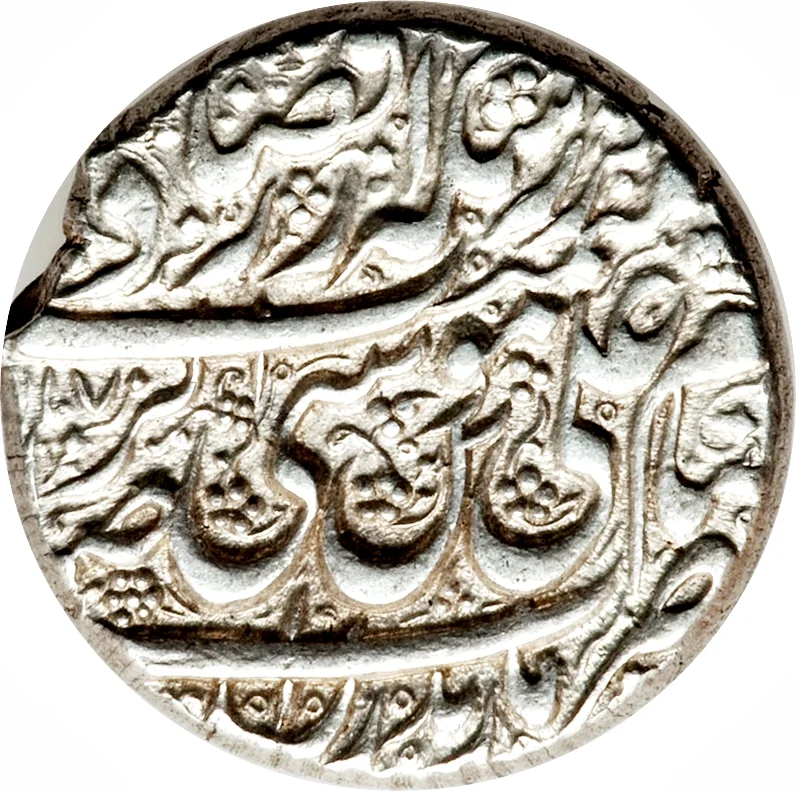
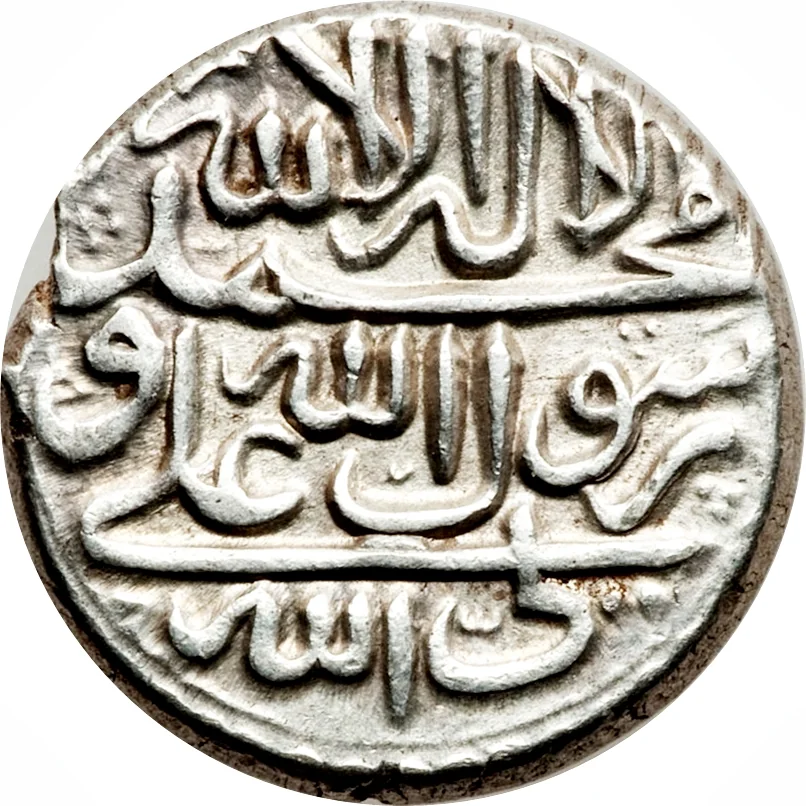
1 Rupee – Northern Provinces
Iran
Context
Years: 1755–1758
Country: Iran 
Issuer: Northern Provinces
Ruler: Mohammad Hasan Khan
Currency:
(1501—1798)
Demonetized: Yes
Material
References
KM: #Click to copy to clipboard504.3
Numista: #62003
Value
Bullion value: $33.41
Obverse
Inscription:
بزر سکه از میمنت زد قضا
بنام علی بن موسی الرضا
ضرب مازندران
۱۱۷۰
بنام علی بن موسی الرضا
ضرب مازندران
۱۱۷۰
Reverse
Inscription:
لا اله الا الله
محـــــــمد
رسول الله علی و
لیّ الله
محـــــــمد
رسول الله علی و
لیّ الله
Edge
Plain
Mints
| Name | Mark |
|---|---|
| Mazandaran Province, Tabaristan | مازندران |
Mintings
| Year | Mint Mark | Mintage | Quality | Collection |
|---|---|---|---|---|
| 1755 | — | — | ||
| 1756 | — | — | ||
| 1757 | — | — | ||
| 1758 | — | — |
Historical background
In 1755, the Northern Provinces of British America, particularly New England and the Mid-Atlantic colonies, operated within a complex and strained monetary system. The core problem was a chronic shortage of official British specie (gold and silver coins), which were constantly drained away to pay for manufactured imports from Britain under the mercantilist system. This scarcity crippled local commerce and government finance, forcing colonies to seek alternative means of exchange.
To facilitate daily trade, colonies resorted to a patchwork of unofficial currencies. The most common was colonial paper money, or "bills of credit," issued by colonial governments to pay for expenses like military expeditions (especially during the ongoing French and Indian War) and public works. These bills circulated as legal tender within the issuing colony but were often viewed with suspicion by British merchants and Parliament. Additionally, a wide array of foreign coins—most notably Spanish American silver pieces of eight—circulated widely, their value fluctuating based on weight and purity. In rural areas, barter of commodities like tobacco or grain remained commonplace.
The year 1755 fell within a period of increasing British parliamentary pressure to regulate colonial currency. The Currency Act of 1751, which prohibited New England colonies from issuing new paper money as legal tender for private debts, was a direct attempt to protect British creditors from depreciation. While this act applied specifically to New England in 1755, its principles created uncertainty and resentment, highlighting the growing tension between colonial economic necessity and imperial control. This restrictive monetary environment fueled colonial innovation and, ultimately, discontent, as the provinces struggled to build economies with instruments the mother country sought to limit.
To facilitate daily trade, colonies resorted to a patchwork of unofficial currencies. The most common was colonial paper money, or "bills of credit," issued by colonial governments to pay for expenses like military expeditions (especially during the ongoing French and Indian War) and public works. These bills circulated as legal tender within the issuing colony but were often viewed with suspicion by British merchants and Parliament. Additionally, a wide array of foreign coins—most notably Spanish American silver pieces of eight—circulated widely, their value fluctuating based on weight and purity. In rural areas, barter of commodities like tobacco or grain remained commonplace.
The year 1755 fell within a period of increasing British parliamentary pressure to regulate colonial currency. The Currency Act of 1751, which prohibited New England colonies from issuing new paper money as legal tender for private debts, was a direct attempt to protect British creditors from depreciation. While this act applied specifically to New England in 1755, its principles created uncertainty and resentment, highlighting the growing tension between colonial economic necessity and imperial control. This restrictive monetary environment fueled colonial innovation and, ultimately, discontent, as the provinces struggled to build economies with instruments the mother country sought to limit.
✨ Legendary