

1 Mohur – Northern Provinces
Iran
Context
Years: 1756–1758
Country: Iran 
Issuer: Northern Provinces
Ruler: Mohammad Hasan Khan
Currency:
(1501—1798)
Demonetized: Yes
Material
References
KM: #Click to copy to clipboard506.1
Numista: #61991
Value
Bullion value: $1837.39
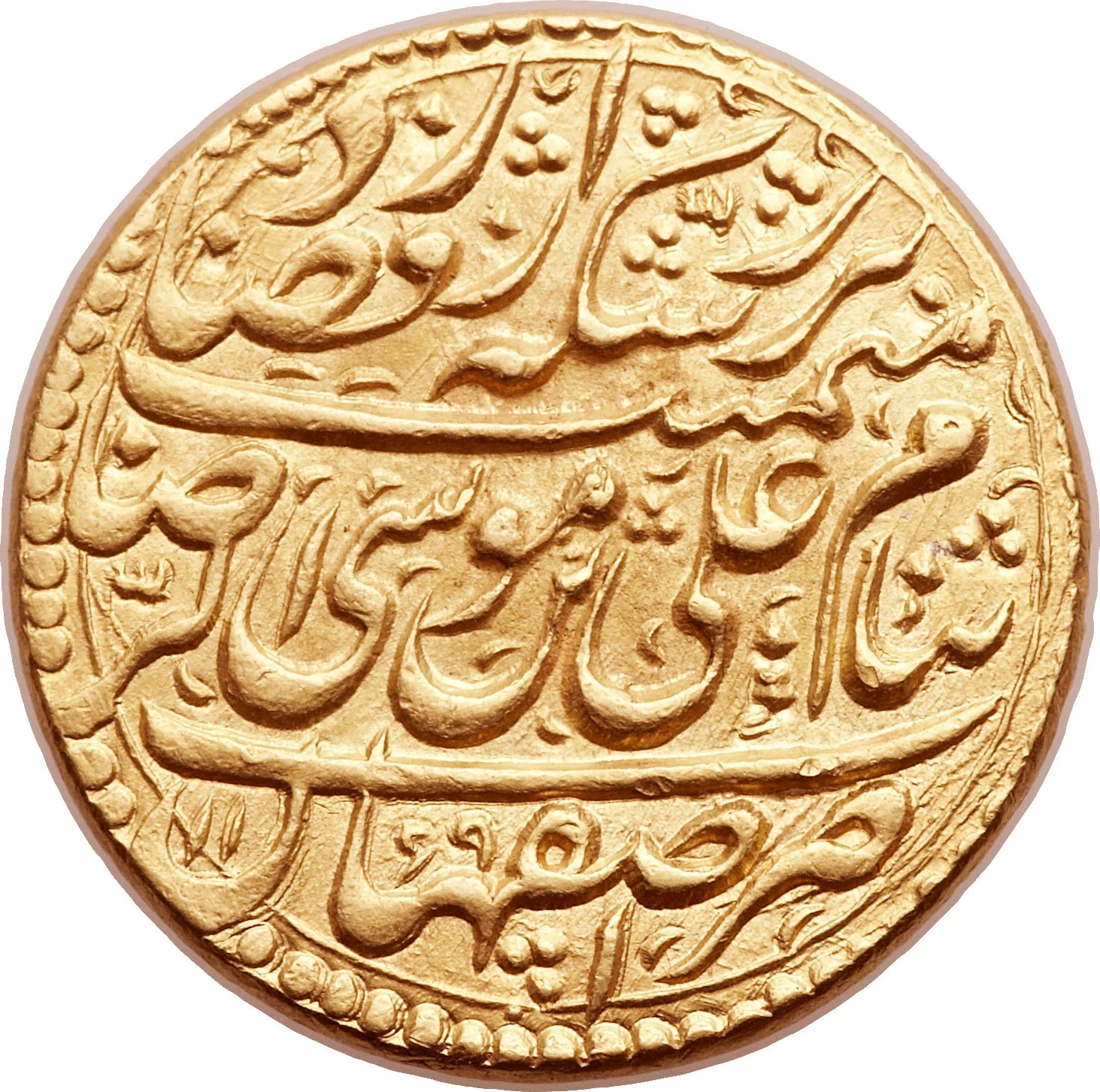
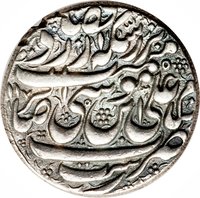
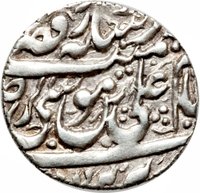
Obverse
Inscription:
بزر سکه از میمنت زد قضا
بنام علی بن موسی الرضا
ضرب اصفهان
بنام علی بن موسی الرضا
ضرب اصفهان
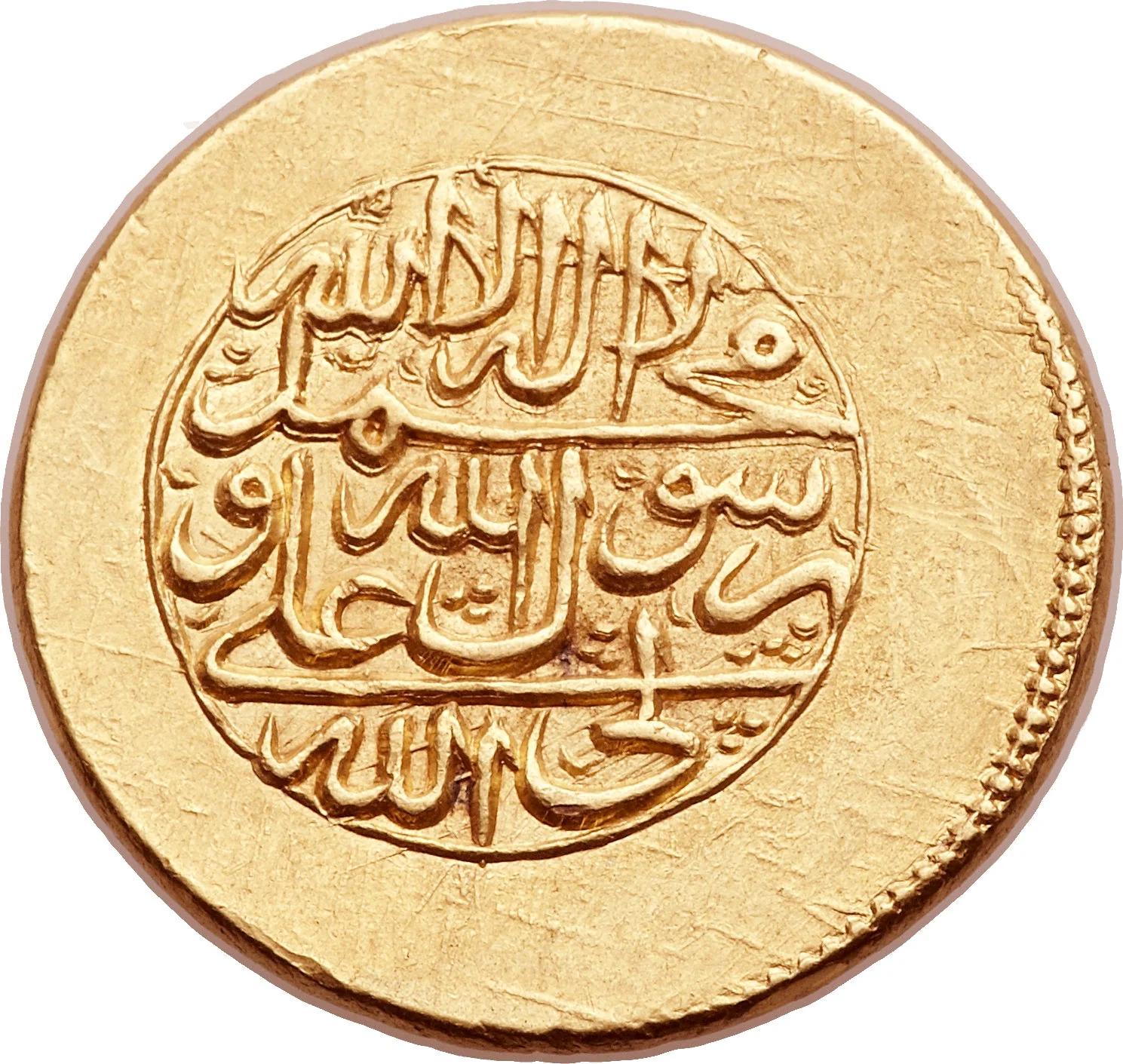
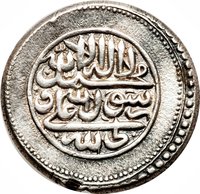
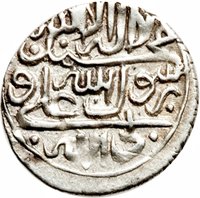
Reverse
Inscription:
لا اله الا الله
محمد رسول الله
علی ولی الله
محمد رسول الله
علی ولی الله
Edge
Plain
Mints
| Name | Mark |
|---|---|
| Isfahan | — |
Mintings
| Year | Mint Mark | Mintage | Quality | Collection |
|---|---|---|---|---|
| 1756 | — | — | ||
| 1758 | — | — |
Historical background
In 1756, the currency situation in the Northern Provinces of British North America was defined by chronic scarcity and chaotic variety. The British mercantilist system, which aimed to keep gold and silver within the mother country, severely limited the export of official coinage to the colonies. This created a persistent shortage of hard currency, forcing provinces and businesses to rely on a confusing patchwork of alternatives. Spanish milled dollars (pieces of eight), Portuguese joes, and even French coins circulated alongside limited local paper issues, all requiring constantly negotiated exchange rates.
To facilitate local trade and government expenditures, several provinces had resorted to issuing their own paper money, often in the form of bills of credit. These were essentially promissory notes, not backed by specie but by the promise of future tax revenue. While this provided a necessary medium of exchange, the lack of uniform regulation often led to depreciation, especially when colonies issued excessive amounts to finance military conflicts like the ongoing French and Indian War. The value of a Massachusetts pound, for instance, could differ significantly from a Pennsylvania pound or a New York pound, complicating inter-colonial commerce.
This monetary instability occurred against a backdrop of rising imperial tension. The British Parliament, viewing colonial paper money as a threat to financial control and a cause of inflation detrimental to British merchants, had begun to intervene. The Currency Act of 1751 had already restricted New England's ability to issue new paper money as legal tender for private debts. In 1756, as war expenses mounted, the northern colonies chafed under these restrictions, arguing that the lack of a flexible currency hampered their ability to fund troops and supplies. Thus, the currency situation was not merely an economic issue but a growing point of political friction between the colonies and the Crown.
To facilitate local trade and government expenditures, several provinces had resorted to issuing their own paper money, often in the form of bills of credit. These were essentially promissory notes, not backed by specie but by the promise of future tax revenue. While this provided a necessary medium of exchange, the lack of uniform regulation often led to depreciation, especially when colonies issued excessive amounts to finance military conflicts like the ongoing French and Indian War. The value of a Massachusetts pound, for instance, could differ significantly from a Pennsylvania pound or a New York pound, complicating inter-colonial commerce.
This monetary instability occurred against a backdrop of rising imperial tension. The British Parliament, viewing colonial paper money as a threat to financial control and a cause of inflation detrimental to British merchants, had begun to intervene. The Currency Act of 1751 had already restricted New England's ability to issue new paper money as legal tender for private debts. In 1756, as war expenses mounted, the northern colonies chafed under these restrictions, arguing that the lack of a flexible currency hampered their ability to fund troops and supplies. Thus, the currency situation was not merely an economic issue but a growing point of political friction between the colonies and the Crown.
✨ Legendary