

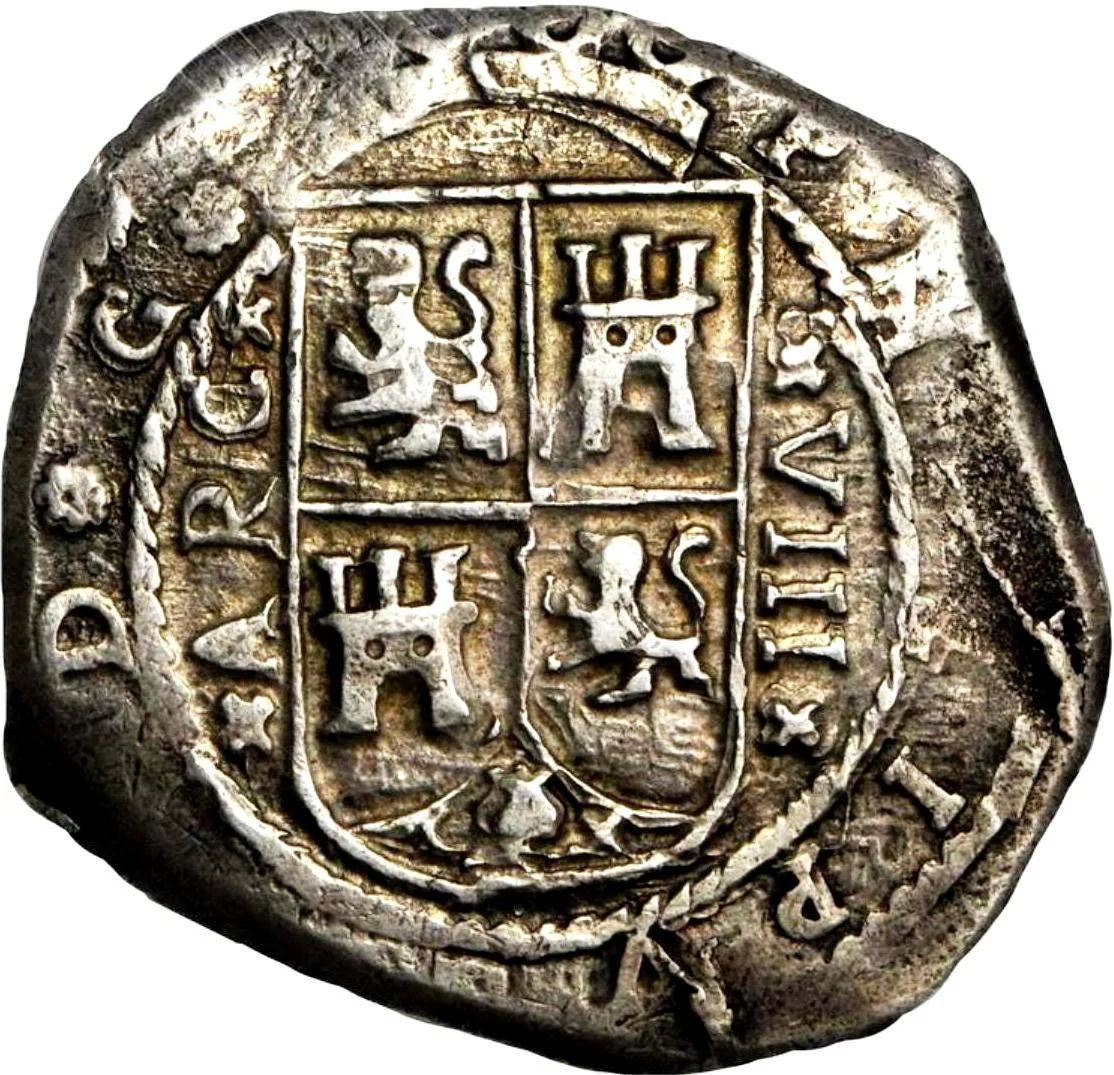
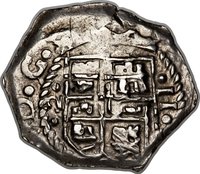
Obverse
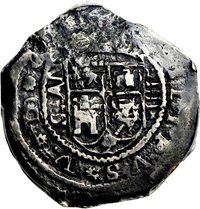
Description:
Quartered shield bearing the arms of Castile and León.
Inscription:
PHILLIPVS V D G
ARC
VIII
ARC
VIII
Script: Latin
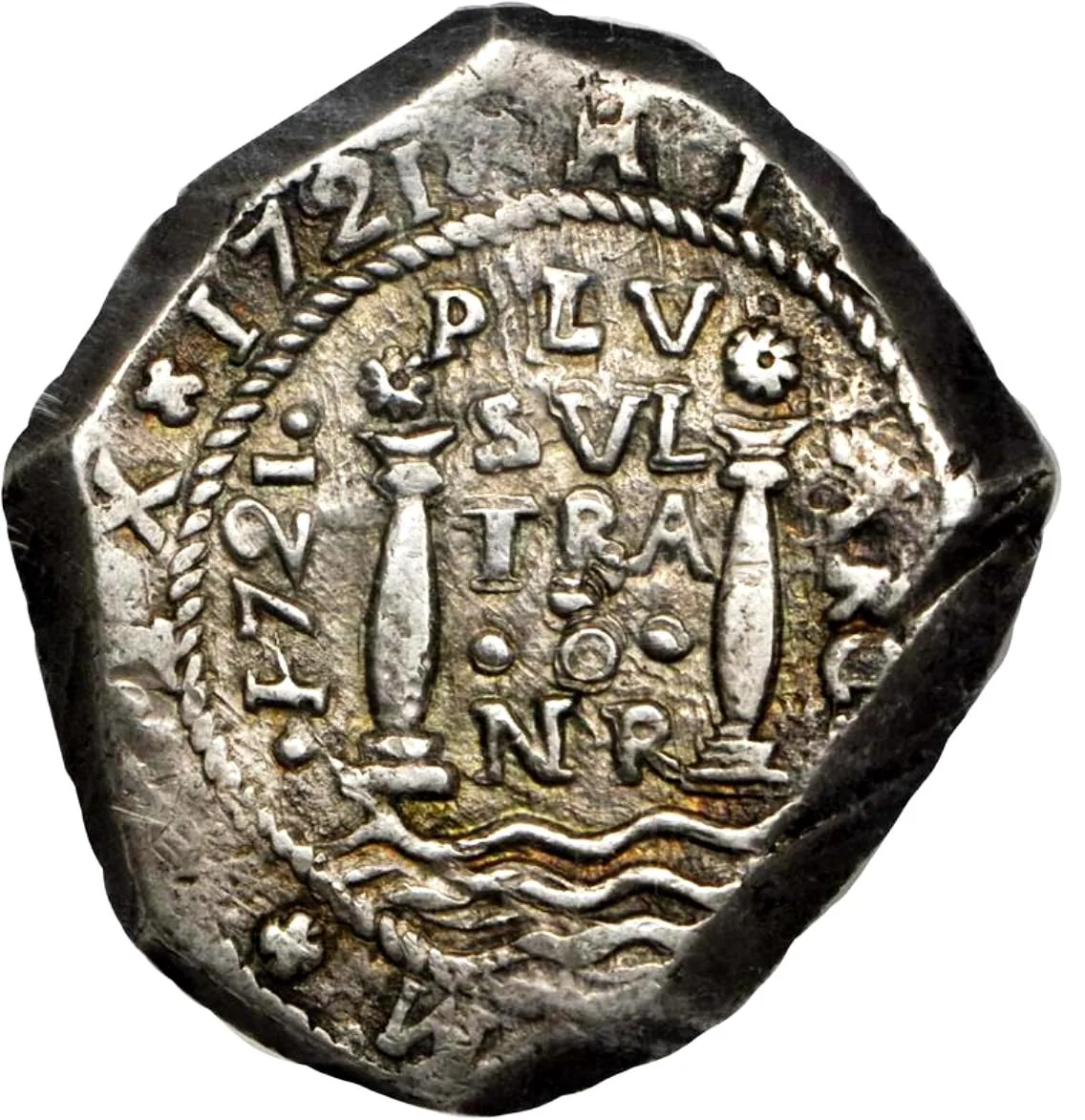
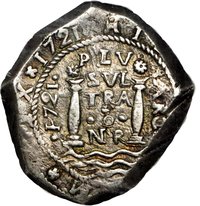
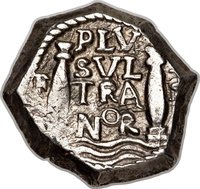
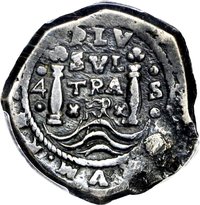
Reverse
Description:
Pillars amid waves.
Inscription:
× 1721 × HISPANIARVM × REX
PLVS VLTRA
NoR
· 1721 ·
ARC
PLVS VLTRA
NoR
· 1721 ·
ARC
Script: Latin
Edge
Categories
| Symbols> Coat of Arms |
Mints
| Name | Mark |
|---|---|
| Bogota Mint | (NoR) |
Mintings
| Year | Mint Mark | Mintage | Quality | Collection |
|---|---|---|---|---|
| 1721 | NoR | — | ||
| 1722 | NoR | — |
Historical background
In 1721, the currency situation in the Kingdom of New Granada (modern-day Colombia) was characterized by severe scarcity and administrative confusion, a direct legacy of the Habsburg era's fiscal policies. The official monetary system was based on the Spanish silver real and the gold escudo, with 8 reales to a peso and 16 reales to an escudo. However, a chronic shortage of officially minted coinage, especially low-denomination coins for daily transactions, plagued the local economy. This scarcity was exacerbated by the outflow of precious metals to Spain, restrictive trade policies, and the inefficiency of the distant mints in Mexico and Peru, which served the colony.
To cope with this shortage, a widespread practice of using "macuquina" or "cob" currency—crude, irregularly cut pieces of silver—dominated local commerce. These coins, often clipped or debased, circulated alongside a variety of Spanish and even foreign coins, leading to complex exchange rates and frequent fraud. The situation was further complicated by the use of "tlacos" or token money issued by merchants and religious institutions, creating a fragmented and unreliable monetary environment that hindered trade and economic growth within the viceroyalty.
Recognizing the crisis, the Spanish Crown under the new Bourbon dynasty had begun efforts at reform. The establishment of the mint house (Casa de Moneda) in Santa Fe de Bogotá in 1620 was a key step, but by 1721 it was still not operating at the scale needed to resolve the shortage. The year falls within a period of transition, where the old, chaotic system persisted, but the pressure for a standardized, locally produced coinage was building, setting the stage for the more comprehensive Bourbon monetary reforms that would later in the century aim to consolidate royal authority and stimulate the colonial economy.
To cope with this shortage, a widespread practice of using "macuquina" or "cob" currency—crude, irregularly cut pieces of silver—dominated local commerce. These coins, often clipped or debased, circulated alongside a variety of Spanish and even foreign coins, leading to complex exchange rates and frequent fraud. The situation was further complicated by the use of "tlacos" or token money issued by merchants and religious institutions, creating a fragmented and unreliable monetary environment that hindered trade and economic growth within the viceroyalty.
Recognizing the crisis, the Spanish Crown under the new Bourbon dynasty had begun efforts at reform. The establishment of the mint house (Casa de Moneda) in Santa Fe de Bogotá in 1620 was a key step, but by 1721 it was still not operating at the scale needed to resolve the shortage. The year falls within a period of transition, where the old, chaotic system persisted, but the pressure for a standardized, locally produced coinage was building, setting the stage for the more comprehensive Bourbon monetary reforms that would later in the century aim to consolidate royal authority and stimulate the colonial economy.
✨ Legendary