

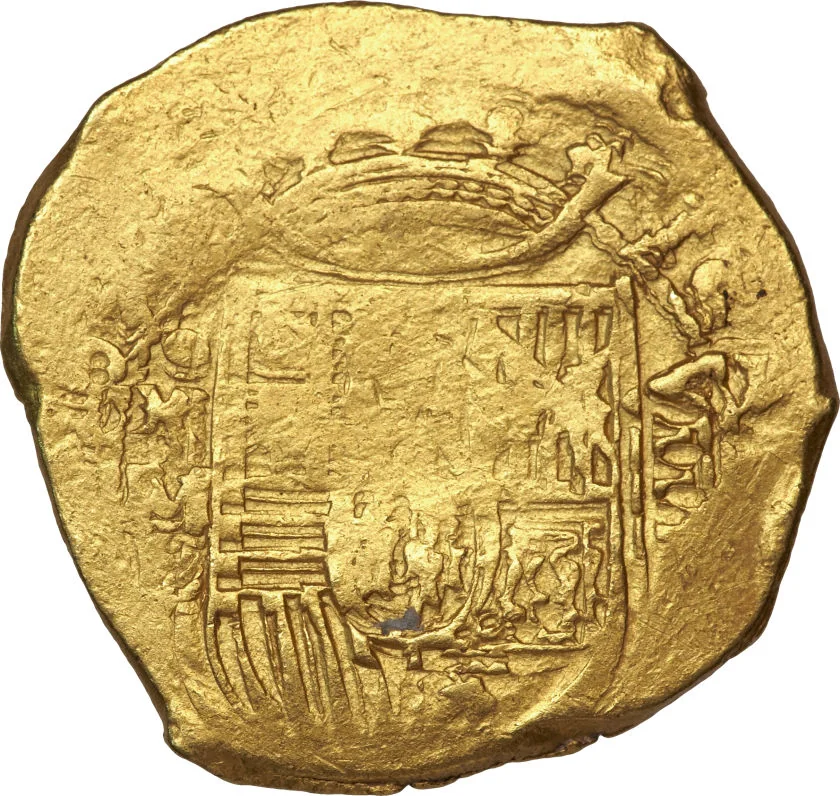
Obverse
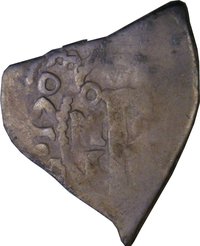
Description:
Legend and date flank crowned arms.
Script: Latin
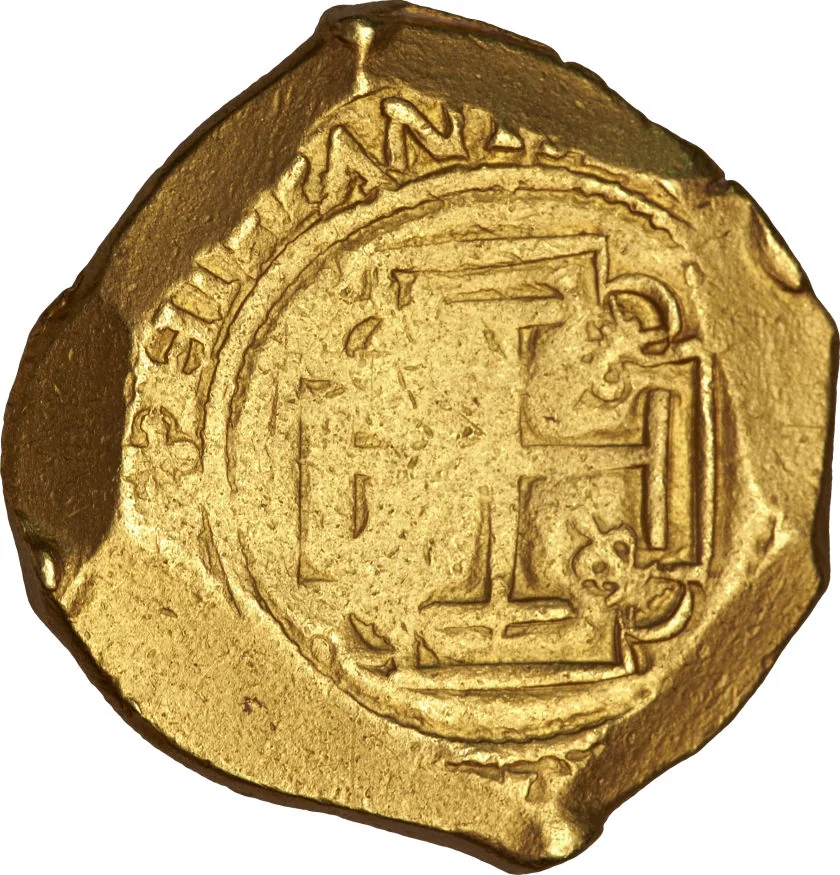
Reverse
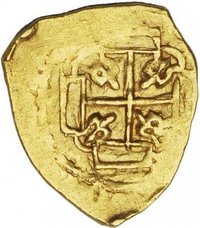
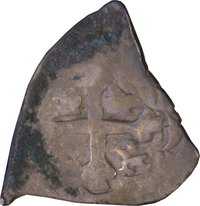
Description:
Legend of the cross
Script: Latin
Edge
Mintings
| Year | Mint Mark | Mintage | Quality | Collection |
|---|---|---|---|---|
| 1691 | MXoL | — | ||
| 1694 | MXoL | — | ||
| 1695 | MXoL | — | ||
| 1697 | MXoL | — | ||
| 1698 | MXoL | — | ||
| 1699 | MXoL | — | ||
| 1700 | MXoL | — |
Historical background
In 1691, the currency system of New Spain, the wealthiest viceroyalty of the Spanish Empire, was defined by a persistent and debilitating shortage of official coinage. Despite the immense flow of silver from mines like Potosí and Zacatecas, a significant portion of this bullion was either exported to Spain to fund imperial ambitions or illegally traded with foreign powers and Asia. This, combined with the vast geographical expanse and slow mints, meant that the local economy chronically lacked sufficient circulating medium. The result was a widespread reliance on tlacos (token coins made of copper or base metals) and pilones (credit tokens issued by merchants and haciendas), creating a complex and often chaotic multi-tiered monetary system that operated beneath the official royal standard.
The official currency was the silver real and the gold escudo, minted at the Mexico City mint (the oldest in the Americas). However, the scarcity of these coins hampered large-scale commerce and, most critically, the payment of taxes and tributes to the Crown. The situation was exacerbated by the widespread practice of clipping and debasing even the scarce silver coins in circulation. In response, the Spanish Crown had initiated a major recoinage effort in the 1680s, introducing new, milled-edge coins to combat fraud. By 1691, this process was ongoing but incomplete, leading to a confusing mix of old, clipped cobs and new, heavier pesos in circulation, with merchants and officials constantly disputing their relative values.
This monetary instability had profound social and economic consequences. It stifled internal trade, encouraged rampant inflation in local markets, and created opportunities for fraud that undermined public trust. The reliance on private credit tokens like tlacos tied the rural and indigenous populations to specific merchants or haciendas, reinforcing debt peonage. For the colonial administration in 1691, the currency situation represented a critical weakness: the heart of Spain's empire was pulsating with silver, yet its own economic veins were clogged with inadequate and unreliable substitutes, hindering both royal revenue and the development of a unified internal market.
The official currency was the silver real and the gold escudo, minted at the Mexico City mint (the oldest in the Americas). However, the scarcity of these coins hampered large-scale commerce and, most critically, the payment of taxes and tributes to the Crown. The situation was exacerbated by the widespread practice of clipping and debasing even the scarce silver coins in circulation. In response, the Spanish Crown had initiated a major recoinage effort in the 1680s, introducing new, milled-edge coins to combat fraud. By 1691, this process was ongoing but incomplete, leading to a confusing mix of old, clipped cobs and new, heavier pesos in circulation, with merchants and officials constantly disputing their relative values.
This monetary instability had profound social and economic consequences. It stifled internal trade, encouraged rampant inflation in local markets, and created opportunities for fraud that undermined public trust. The reliance on private credit tokens like tlacos tied the rural and indigenous populations to specific merchants or haciendas, reinforcing debt peonage. For the colonial administration in 1691, the currency situation represented a critical weakness: the heart of Spain's empire was pulsating with silver, yet its own economic veins were clogged with inadequate and unreliable substitutes, hindering both royal revenue and the development of a unified internal market.
✨ Legendary